I spent $18 on a mold remover, sprayed the corner behind our basement cabinet, and congratulated myself too early. Three weeks later, the spot was back — larger, darker, and now accompanied by a smell that suggested the house had developed an opinion. Tim, my civil-engineer husband, asked the question I should have started with: “What is feeding it?”
That is the useful distinction. A mold remover can clean a surface, but it cannot repair a leaking gutter, damp foundation, plumbing drip, or poorly ventilated bathroom. Treat the visible growth and the moisture source as one project. Otherwise, you are budgeting for the same bottle every month.
Choose the right mold remover for the surface
The label matters more than the front-of-bottle promise. For sealed tile, fiberglass, glass, and other nonporous surfaces, a ready-to-use bathroom spray can be practical. Look for directions that name the surface, explain contact time, and tell you whether rinsing is required. “Kills mold” is not a universal permission slip for painted wood, upholstery, or drywall.
Porous materials are less cooperative. Mold can move below the surface of unfinished wood, grout, carpet backing, ceiling tile, and drywall paper. A mold remover may lighten the stain without reaching all the contamination. If drywall feels soft, swells, crumbles, or covers more than a small isolated area, replacement is often more sensible than repeated scrubbing. A $15 spray cannot turn damaged drywall into sound drywall.
For fabric, start with the care label and a hidden test area. I use a white cotton cloth and a five-minute timer before applying anything visible. Upholstery marked “S” or “X” should not be treated like a washable bath mat. The wrong cleaner can set a stain, strip color, or leave moisture trapped inside the cushion — three problems for the price of one.
Safety before the first spray
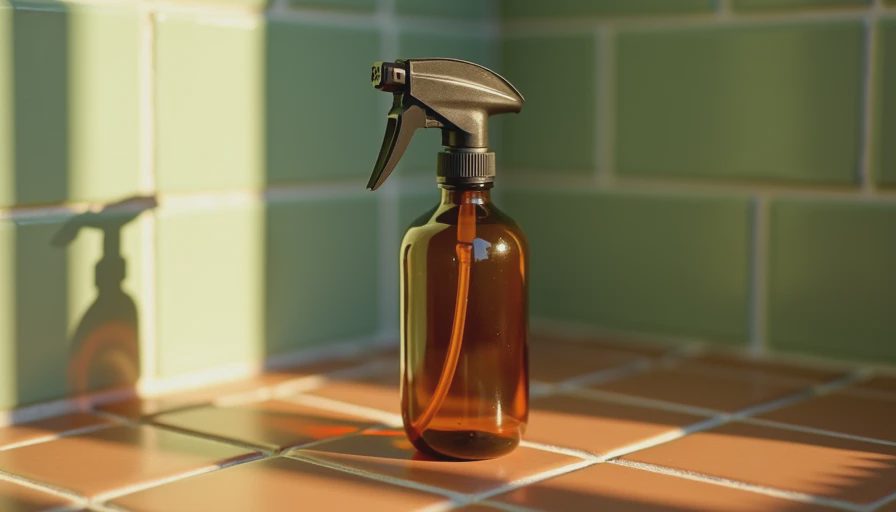
Mold cleanup is not a good time to improvise. Open windows where practical, keep children and pets out of the work area, and wear gloves and eye protection. For a small surface cleanup, an appropriate respirator or well-fitted mask can reduce exposure to disturbed particles. Do not dry-brush growth, sand it, or point a box fan directly at it before cleaning; those actions can spread debris through the room.
Never mix cleaners. Bleach combined with ammonia or acidic products can create dangerous fumes. A mold remover should be used exactly as its label instructs, including dilution, contact time, ventilation, and disposal. “More concentrated” is not the same as “more effective.” It is simply a faster route to damaged surfaces or irritated lungs.
If someone in the home has significant allergies, asthma, immune suppression, or a history of serious respiratory symptoms, hand the project to a qualified professional. I am comfortable measuring a curtain rod; I am not qualified to assess extensive contamination inside a wall cavity.
Find the moisture before buying a second bottle
Use a flashlight and inspect a larger area than the visible spot. Check window trim, baseboards, supply lines, the underside of sinks, HVAC registers, exterior corners, and the floor above a basement ceiling. A cheap humidity meter — often $10 to $25 — gives you more useful information than guessing by smell. Indoor humidity consistently above roughly 60 percent deserves attention, especially in a basement or bathroom.
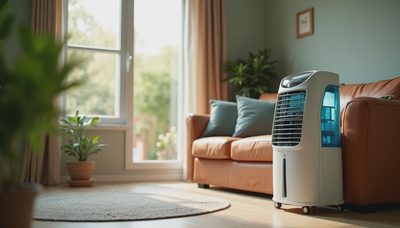
Then make a short repair list. A dehumidifier may cost $150 to $300, while a replacement exhaust fan can range from $80 for a basic unit to several hundred dollars installed. Re-caulking a tub is inexpensive; repairing a failed shower surround is not. If water enters after rain, inspect gutters, downspouts, grading, and foundation cracks before treating the interior stain.
In my 1920s house, the “mold problem” behind a storage bin was condensation against a cold exterior wall. The mold remover worked for the afternoon. Moving the bin three inches away, improving airflow, and running the dehumidifier solved the repeat expense.
A practical cleanup sequence
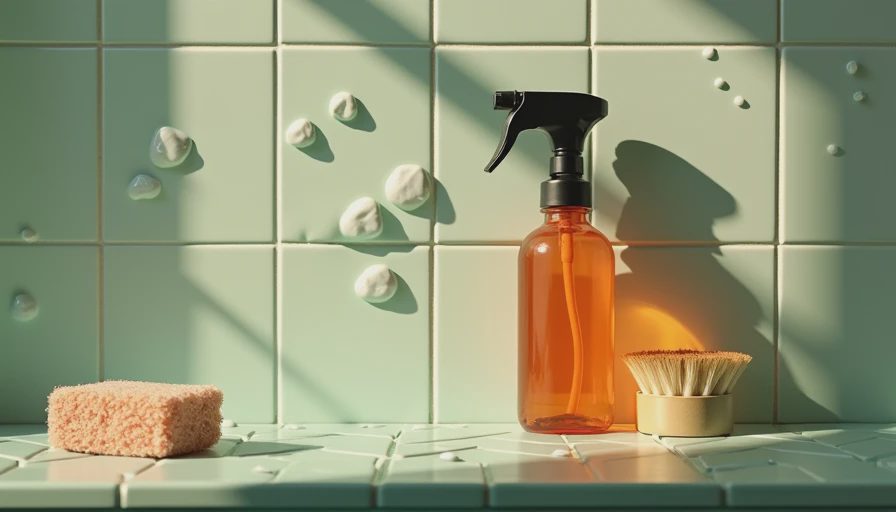
Start by removing nearby fabric, cardboard, and pet bedding. Photograph the area before cleaning so you can compare it later. Fix or stop the moisture source, then clean the surface according to the product label. Work from the least contaminated edge toward the center, using disposable towels or washable materials that can be laundered separately.
Give the surface the full listed contact time. Wiping immediately because the smell is strong does not improve the chemistry. Afterward, rinse if directed, dry completely, and increase airflow. A fan can help after the cleaning stage, but do not use it to blast dry growth around the room.
For a small washable rug, take it outdoors only if doing so will not spread material through the house or expose neighbors. Vacuuming with an ordinary household vacuum is a poor choice for visible mold. If the backing remains damp or the odor survives cleaning and drying, replacement may cost less than repeated treatment — particularly for a $40 rug sitting over a $4,000 flooring project.
When replacement beats treatment
Replace porous items when growth is extensive, the material is swollen, or the odor returns after thorough drying. Carpet padding, ceiling tiles, heavily affected drywall, and moldy insulation are common examples. A professional remediation estimate can run from several hundred dollars for a limited area to several thousand for hidden or widespread damage. That range is unpleasant, but it is clearer than spending $20 repeatedly while the problem travels.
Do not cover the stain with primer or paint until the surface is clean, dry, and stable. Paint is a finish, not a moisture barrier or remediation plan. If the wall is still damp, the new coating can blister and hide the evidence until the repair becomes more expensive.
Build a five-minute prevention checklist
Once the area is clean, check it every few days for a month. Measure humidity, look for new spotting, and smell the material only from a normal distance — do not press your face into a suspicious wall like a detective in a low-budget mystery. Keep furniture at least two to three inches from exterior walls when condensation is possible. Run the bathroom fan during showers and for about 20 minutes afterward, and wash pet bedding frequently enough that it dries fully between uses.
My purchasing formula is simple: spend $10 to $25 on measurement first, choose a mold remover labeled for the exact surface, reserve $20 to $50 for gloves, towels, and protective supplies, and put the remaining budget toward the moisture source. If the area is porous, soft, extensive, or repeatedly wet, skip another bottle and get an assessment.
The attractive solution is the clean-looking one. The durable solution is the one that stays dry. Trust the tape, not your eye — and in this case, trust the humidity reading too.