I spent 45 minutes comparing two trash cans and still went home empty-handed. That was before I started treating coffee and machines like a measurable home decision instead of a personality test. Coffee equipment has the same problem as furniture: the attractive option is not automatically the useful one. A machine can cost $80 or $2,500, occupy 8 to 20 inches of counter, and still produce a disappointing cup if the surrounding setup is wrong.
My kitchen is in a 1920s house with shallow counters, one awkward outlet, a golden retriever who believes every dropped object is a personal invitation, and exactly zero spare inches. So I measure first. The goal is not a showroom coffee bar. The goal is a reliable morning routine with enough storage, safe electrical access, and no appliance blocking the toaster.
Start with the Counter, Not the Machine
Before browsing Breville, De'Longhi, Ninja, Moccamaster, or a basic Mr. Coffee brewer, measure the proposed location. Record width, depth, height, outlet position, cabinet clearance, and the distance to the sink. A machine that measures 12 inches wide may need another 3 inches to open a water tank or remove a portafilter. That hidden clearance is where many attractive purchases fail.
For coffee and machines, I use a simple 5-minute rule. Measure the footprint, sketch it with painter's tape, and leave the taped outline in place for one day. If the outline interferes with a cabinet door, meal preparation, or the dog bowl, the machine has already provided its answer. A 10-inch-wide drip brewer may be more practical than a 15-inch espresso machine, even if espresso sounds more exciting on a product page.
Also inspect the outlet. Avoid running a high-wattage appliance through a flimsy extension cord, especially in an old house with questionable electrical work. Tim says every kitchen mystery eventually becomes an electrical mystery. He is usually right, which is irritating but useful.
Coffee and Machines: Choose the Brewing System
Drip coffee is the lowest-friction option for most households. A standard brewer can cost $30 to $180, makes several cups quickly, and requires little technique beyond using fresh grounds and cleaning the carafe. Models from Bonavita, OXO, and Technivorm Moccamaster occupy different price tiers, but the important questions are capacity, replacement parts, thermal performance, and cleaning access.
Single-serve pod machines trade lower effort for higher recurring costs and more waste. A Keurig-style system can make sense when household members drink different flavors or only one cup at a time. It makes less sense when three people drink multiple cups daily. At two pods per person each day, even a modest per-pod cost becomes a meaningful monthly line item. A simple burr grinder and drip brewer usually offer better control and lower long-term cost.
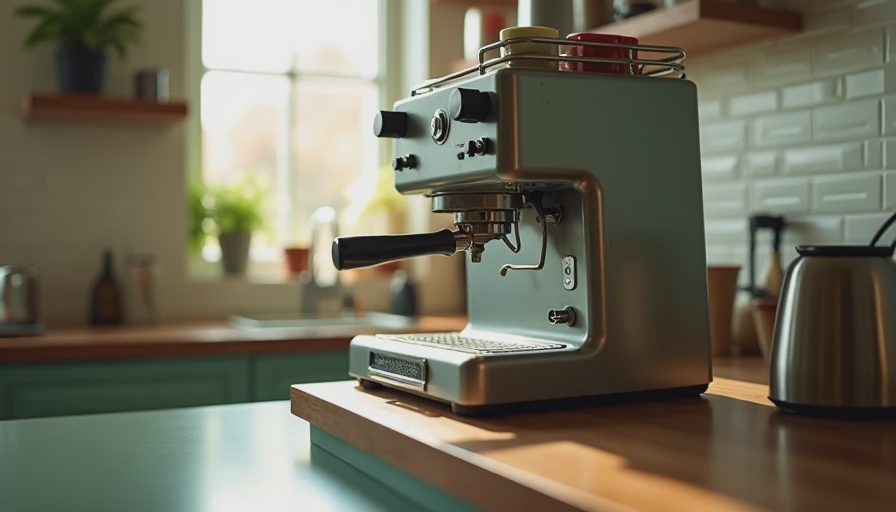
Espresso machines require the largest behavior change. A semi-automatic machine such as a Breville Bambino or Gaggia Classic can produce excellent drinks, but it also needs a grinder, a scale, a tamper, cleaning supplies, and several minutes per drink. Budget $500 to $1,200 for a sensible beginner setup rather than pretending the machine price is the entire project. Superautomatic models reduce labor, but their internal systems need regular cleaning and can be expensive to repair.
The Grinder Is the Quiet Budget Line
The grinder often matters more than upgrading from one midrange brewer to another. A blade grinder produces uneven particles, which means some coffee overextracts while other grounds remain weak. A burr grinder gives more consistent pieces and allows adjustment for drip, French press, or espresso. Good entry-level options often land around $100 to $200, while serious espresso grinders can exceed $500.
I would rather buy a $150 burr grinder with a $100 brewer than a $250 brewer paired with a blade grinder. That is not a universal law, but it is a reliable budget starting point. Coffee and machines work as a system, not as isolated trophies. Fresh beans, correct grind size, measured water, and a clean brewer will usually create a bigger improvement than a decorative machine with poor inputs.
Keep the grinder away from steam and direct splashes. Coffee oils collect quickly, and a grinder hidden behind the sink will receive more moisture than it should. A shallow tray beneath it catches grounds and protects the counter. Mine is a $9 cafeteria tray, not a specialty accessory. The dog has tested its edge and failed to move it.
Build a Station That Survives Daily Use
A practical coffee station needs four zones: brewing, ingredients, cleaning, and storage. Leave the machine near the water source, place beans and filters within one arm's reach, and keep a small waste container nearby. If you must cross the kitchen carrying wet grounds, the layout is asking for a spill. In my house, spills are followed by a dog sprint, so the risk calculation is not theoretical.
For coffee and machines, vertical storage usually beats a wider cabinet. A narrow shelf can hold filters, mugs, a scale, and spare beans while preserving prep space below. Use a tray with a raised edge for canisters. Glass looks attractive, but opaque airtight containers protect beans from light better. Buy enough coffee for two to four weeks, not a bulk bag that sits open until it tastes like cardboard.
Measure mug height before choosing a shelf. Travel mugs often need 7 to 9 inches of clearance, while ordinary cups need much less. This is how a pretty shelf becomes a daily annoyance: the machine fits, but the mug does not.
Calculate the Real Cost Before Buying
The purchase price is only line one. Add a grinder, scale, filters or pods, descaling solution, replacement water filters, cleaning tablets, and likely accessories. A $120 drip setup might become $260 after a grinder and containers. A $700 espresso machine can reach $1,200 once the grinder and tools are included. These numbers are not meant to scare you; they prevent the familiar renovation mistake of budgeting only for the visible object.
For a household making four drip cups daily, compare the annual cost of beans, filters, and equipment. For pods, include the ongoing pod price and disposal. For espresso, include wasted beans while learning. A machine that saves five minutes each morning may justify a higher cost for a busy household, but only if it is easy enough to use consistently. An appliance that requires twelve steps at 6:30 a.m. will eventually become counter sculpture.
A Cleaning Schedule That Actually Happens
Rinse removable parts after each use and empty standing water rather than letting it develop a smell. Wipe steam wands immediately after steaming milk. Once a week, wash the carafe, basket, drip tray, and removable reservoir according to the manufacturer’s instructions. Every month or on the manufacturer’s schedule, run the appropriate descaling cycle. Hard water makes that schedule more important.
Do not use vinegar automatically in every machine. Some manufacturers discourage it because of odor, seals, or internal components. Use the product instructions for the machine you own. This is one place where improvisation is not charming. It is just a possible repair bill.
My Formula for Buying Coffee Equipment
Start with the number of cups made on an average weekday. Add the minutes available in the morning, the counter width, and the realistic cleaning tolerance. Then set a total budget that includes the grinder and maintenance supplies. If two systems still qualify, choose the one with fewer steps and easier replacement parts.
That formula has stopped me from buying attractive equipment that does not fit my house. Coffee and machines should support the room, not dictate it. Measure the footprint, price the complete system, test the routine with painter’s tape, and leave enough clearance for cleaning. Trust the tape, not your eye.