
A zero gravity chair takes up more room than its folded profile suggests. I learned this after ordering one for a narrow sunroom, then discovering that its reclined footrest occupied the exact path our golden retriever used to sprint toward the back door. The chair was comfortable. The floor plan was not. Here is the system I use now so your purchase earns its square footage.
What a zero gravity chair actually does
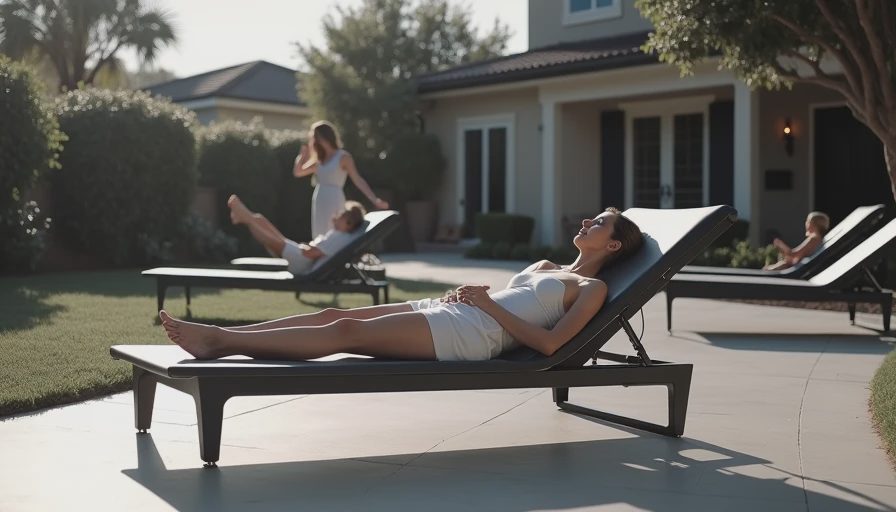
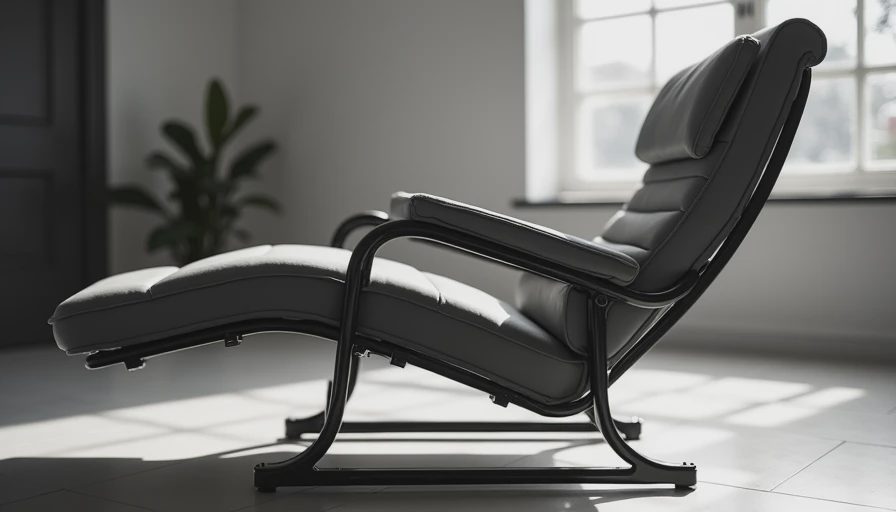
A zero gravity chair uses a reclining frame that raises the legs and leans the back at the same time. The goal is a supported, weight-distributing position rather than the upright angle of a dining chair or the deep collapse of a standard lounge chair. Most models use a locking or adjustable mechanism, padded fabric, and a steel frame. Some include a detachable headrest, cup holder, side tray, or canopy.
The phrase sounds technical, but the practical question is simple: where will your body, feet, and chair go when the frame is fully open? A typical zero gravity chair measures roughly 25 to 32 inches wide and can need 60 to 72 inches of front-to-back clearance when reclined. Product dimensions differ, so I measure the actual model rather than trusting a staged photograph.
For a reading nook, this position can be useful because it gives you a chaise-like posture without buying a permanent chaise. For a porch, it can provide flexible seating that folds for storage. For a bedroom, it might be the answer to an awkward corner—but only if the folded frame has somewhere sensible to live.
The five measurements that prevent buyer's remorse
I keep a vintage metal tape measure in the living room because apparently owning three houses has not cured me of measuring the same wall repeatedly. Before buying a zero gravity chair, record five numbers: chair width, open length, folded height, seat height, and clearance from nearby furniture.
Start with the narrowest doorway or hallway the chair must pass through. A chair that is 30 inches wide may still be difficult to carry around a 28-inch interior door if the frame cannot rotate cleanly. Next, mark the open footprint on the floor with painter's tape. Include the footrest extension and the angle of the back. Leave at least 24 inches for a walking route, and more if a dog, child, or laundry basket uses that path.
Then measure the storage location. Many folding chairs are about 6 to 10 inches thick when collapsed, but the height can exceed 35 inches. A basement stair landing might fit those dimensions while an old-house closet with a low shelf does not. Trust the tape, not your eye.
Materials, weight limits, and daily wear
The frame deserves more attention than the color. Powder-coated steel is common and usually offers a sturdy structure at a moderate price. Aluminum can reduce weight, which helps if you move the chair between a porch and a living room, but a lighter frame can feel less planted. Look for a clearly stated weight capacity and inspect how the locking mechanism works. A smooth recline is useful; a mechanism that snaps between positions is not something I want near a curious dog.
The fabric is the second budget decision. Textilene-style mesh dries quickly and handles outdoor use better than ordinary upholstery, but it can feel less warm in winter. Padded polyester offers a softer first impression and often costs around $60 to $150 for a basic model, while reinforced or upholstered versions can run $180 to $350. Replacement cushions matter if the chair will sit in direct sun. A removable, machine-washable cover is worth more to me than a decorative pillow that becomes a fur magnet.
For a pet household, check the gaps around the footrest and the underside of the frame. Tiny spaces collect leaves, crumbs, and one golden retriever's entire personal inventory of sticks. I prefer a design that wipes clean with mild soap and does not have loose cords exposed near the floor.
Where the chair earns its space
A zero gravity chair works best where the reclined footprint has a defined job. In my 1920s living room, that means beside the bookcase, not in the center of the traffic lane. A 5-by-7-foot area can usually accommodate the chair, a small side table, and a floor lamp if the lamp base stays outside the moving frame. I use a 12- to 18-inch table because anything wider starts stealing circulation space.
Lighting is another calculation. A reading lamp should place the bulb behind and slightly to the side of your shoulder, avoiding glare across the page. Aim for roughly 450 to 800 lumens for general reading, depending on shade opacity and room color. If the chair faces a window, check afternoon sun before committing. Comfortable recline plus direct glare is still an unusable reading spot.
On a porch, protect the chair from standing water even when the fabric is marketed for outdoor use. Covered storage extends the life of the frame and cushion. On hardwood, add a thin non-slip mat only if it does not interfere with folding or create a trip edge.
Price comparison without the showroom theater
The cheapest zero gravity chair is not automatically the best value. A $45 promotional model may be perfectly reasonable for occasional backyard use, but replacing it every two seasons costs more than buying a $120 reinforced chair once. At the other end, a $300 model should provide a meaningful improvement: thicker padding, stronger hardware, replaceable fabric, better weather resistance, or a smoother locking system.
Brands sold through major retailers often range from basic outdoor loungers by Mainstays or Outsunny to more heavily padded options from Caravan or Timber Ridge. I treat brand name as a starting point, not proof of durability. Read the warranty, return dimensions, user photos, and replacement-part information. A cup holder is not a structural feature, no matter how enthusiastically the listing photographs it.
My spreadsheet has four columns: purchase price, delivery cost, storage solution, and expected replacement cost. Add a $25 side table and a $40 weather cover before calling a $70 chair a $70 project. The honest total is often $135 to $220 for a reliable indoor or covered-porch setup.
My five-minute buying test
When I cannot decide between two options, I use a five-minute test. First, confirm the fully open dimensions against painter's tape on the floor. Second, sit in the chair for at least ten minutes if shopping in person, checking whether your knees and lower back feel supported. Third, operate the recline with one hand. Fourth, inspect the lowest frame point for toe-catching hazards. Fifth, imagine cleaning it after a muddy dog walk.
If a listing does not provide open dimensions, weight capacity, material details, and return terms, it has already failed the test. I do not fill missing specifications with optimism. Tim calls this overly cautious. Tim also once said a wall was not load-bearing until I showed him the original plans, so I maintain my position.
The formula I use before ordering
A zero gravity chair passes my test when its open length fits the taped footprint, its width leaves a clear walking route, and its frame feels stable at every recline position. Then I check the fabric against the room's mess level: washable for indoor use, quick-drying for a porch, and no fragile trim where paws can reach.
Finally, divide the complete cost by the number of seasons you realistically expect to use it. A $160 chair used four seasons costs $40 per season before accessories. That is a useful number; “it looked cozy online” is not. Measure the room, price the complete setup, and choose the chair that solves a specific seating problem. Trust the tape, not your eye.