I spent $180 on storage bins before admitting the basement had a water problem. That is how I know basement waterproofing starts with diagnosis, not shopping. The bins were plastic, stackable, and completely irrelevant when rainwater appeared beside the furnace. In an older house, moisture can come from roof runoff, foundation cracks, plumbing leaks, or groundwater pressure. Each source needs a different fix. Trust the tape, not your eye — and in this case, trust the moisture meter too.
Find the water before buying a solution
Start during or immediately after a heavy rain. Walk the basement perimeter with a flashlight and mark damp areas with painter's tape. Record the date, weather, location, and approximate size. A stain that grows from the floor upward suggests groundwater or hydrostatic pressure. A streak descending from a window, pipe, or ceiling points elsewhere. White, chalky deposits on masonry are usually efflorescence — mineral residue left behind as water evaporates. It is evidence of moisture movement, not a waterproof coating.
Basement waterproofing is often misapplied to condensation. If the walls feel dry but the air is clammy, place an inexpensive hygrometer in the room for several days. Relative humidity consistently above 60 percent can support mold growth. A dehumidifier, better air circulation, or insulated cold-water pipes may solve that problem. If you see active water, bubbling paint, a musty odor, or damp cardboard, take photographs before cleaning. Those records help a contractor explain the source rather than sell the most dramatic product.
Check the easy exterior causes first. Clean gutters, confirm downspouts discharge at least several feet away from the foundation, and look for soil sloping toward the house. One afternoon with a ladder and two 10-foot downspout extensions can sometimes prevent repeated puddling. It is not glamorous work. Neither is paying for an interior drain system when a blocked gutter caused the original problem.
Compare the main waterproofing options
Interior sealers are the least expensive option, often costing roughly $500 to $2,000 for a small area when surface preparation is included. They can reduce minor dampness and improve the appearance of concrete block, but paint alone cannot stop water under pressure. If the foundation is actively leaking, the water may simply find another path.
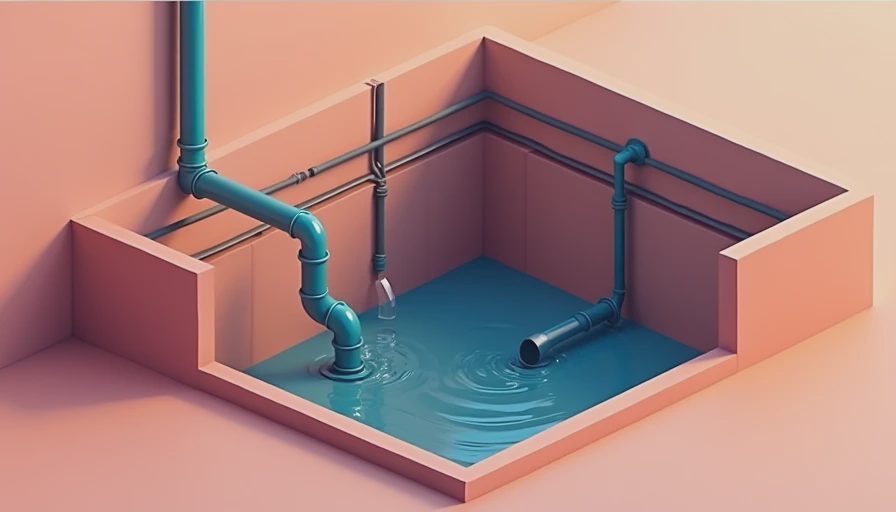
An interior perimeter drain, sometimes called a French drain system, collects water at the slab edge and directs it to a sump pit. Typical installed prices range from about $4,000 to $15,000, depending on basement size, concrete thickness, access, and whether the system runs around the full perimeter. This approach can be practical when exterior excavation would disturb landscaping, porches, or a driveway. It does require a reliable sump pump and a discharge route that does not return water to the foundation.
Exterior excavation and waterproofing usually costs more — commonly $10,000 to $30,000 or higher for difficult sites — because workers must expose the foundation, repair cracks, apply a membrane, install drainage, and restore soil. It addresses water before it enters the wall, which is why it is often the strongest long-term answer for a specific exterior failure. The price is painful, but so is excavating twice because the first contractor treated symptoms.
Build a budget that includes the boring parts
My spreadsheet has five columns: cause, proposed work, included materials, excluded work, and future maintenance. A quote for basement waterproofing should identify whether it includes crack repair, removal and replacement of concrete, sump equipment, discharge piping, permits, cleanup, and hauling. “Complete system” is not a useful scope unless the components are listed.
For a modest 800-square-foot basement, reserve a planning range of $5,000 to $18,000 for common drainage work, then add a contingency of 10 to 15 percent for hidden obstructions or masonry repairs. Exterior work can exceed that range quickly. Ask whether the warranty covers labor, materials, or only a specific leak location. A warranty that excludes hydrostatic pressure is not necessarily bad, but you should understand what it actually protects.
Get at least three written evaluations, and give each contractor the same photographs and measurements. Compare the proposed cause, not just the bottom-line number. A $7,000 quote for a targeted repair may be better than a $14,000 quote filled with unrelated upgrades. Tim, who is a civil engineer, says a proposal should read like a small engineering brief. I agree, although I still make him check my spreadsheet formulas.
Protect the equipment after the repair
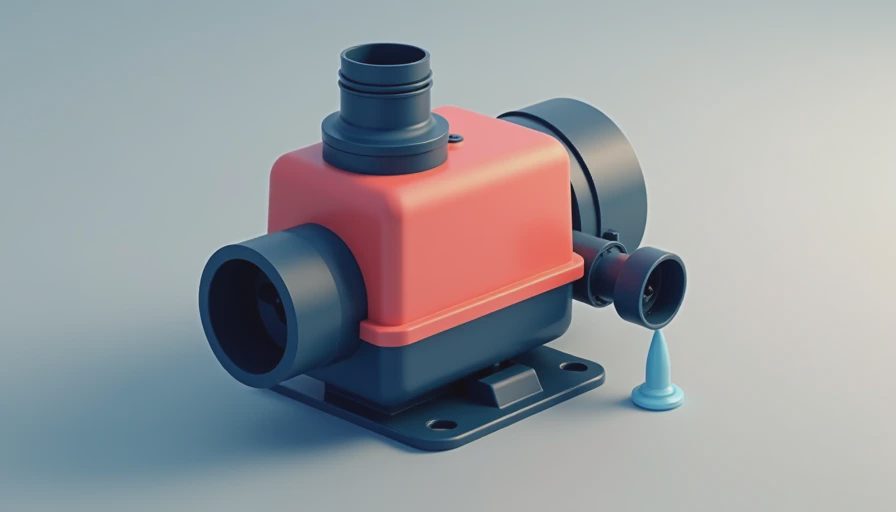
Basement waterproofing is not finished when the concrete dries. Test the sump pump by pouring water into the pit until the float activates it. Confirm the pump moves water through the discharge line and that the outlet terminates away from the foundation. If the pump uses a battery backup, test that backup separately and replace its battery according to the manufacturer’s schedule.
Keep a lid on the sump basin when the design allows it. A sealed lid can reduce humidity and help limit odors, while still allowing proper pump access. Do not store paint, paper records, pet food, or fabric directly on the floor. Use shelving with at least four inches of clearance. My dog has never respected a storage system, but raised bins make accidental dampness much less expensive.
Clean gutters twice a year and inspect downspout connections after major storms. Look at foundation walls seasonally for new cracks, damp marks, or peeling finishes. A small maintenance log takes five minutes and gives you a useful timeline if a problem returns. The cheapest waterproofing component is early information.
Make the basement usable without hiding evidence
After the moisture source is addressed, choose finishes that tolerate occasional humidity. Vinyl plank flooring can be more forgiving than carpet, but installation still depends on a suitable, dry slab. Avoid trapping damp masonry behind non-breathable panels or framing without a proper moisture plan. Mold-resistant drywall is not a substitute for controlling water; it is simply one material choice within a dry assembly.
Before furnishing, measure clearance around the furnace, water heater, electrical panel, sump pit, and shutoff valves. Leave service access instead of placing a sofa over the only route to the equipment. For a guest room or office, use washable rugs and metal or sealed-wood shelving. A finished basement should remain inspectable. Pretty furniture that blocks a foundation wall is just an expensive way to lose data.
The practical formula is simple: identify the source, correct exterior drainage, choose a collection or barrier system that matches the failure, then monitor the result. Basement waterproofing should reduce water entry, not merely cover the stain. If the issue involves structural movement, repeated flooding, sewage, or a wall that is bowing inward, bring in a qualified professional promptly rather than experimenting with sealant.
My final checklist fits on one index card: photograph the problem, measure the affected area, inspect gutters and grading, compare three written scopes, price maintenance, and test the pump. That process costs less than panic-buying bins — and it leaves room in the budget for the ceramic vase I will inevitably put downstairs. Trust the tape, not your eye.