
Three measurements can save you one very expensive mistake: width, height, and depth. Frigidaire makes refrigerators, ranges, dishwashers, and other appliances, but the right choice depends less on the badge than on whether a particular model fits your kitchen, hookups, and budget. I once spent 45 minutes choosing a trash can and went home empty-handed. For an appliance, I want a better system than staring at finishes until my brain quits.
Start with the appliance, not the finish
Frigidaire is a sensible brand to include in a comparison if you want to shop across several major appliance categories. Start with the features you actually use: adjustable refrigerator storage, a range that works with your existing fuel connection, or a dishwasher with a cycle and rack arrangement that suits your household. Model features vary, so read the individual specification sheet rather than assuming every appliance in a line works the same way.
The brand has offered both Frigidaire and Frigidaire Gallery appliances. Gallery models may include different finishes or features, but the name alone doesn't tell you whether an upgrade is worth the money. Compare two exact model numbers side by side and circle the differences you would use every week. A fancier control panel is a poor use of the budget if the refrigerator door can't open past the kitchen wall.
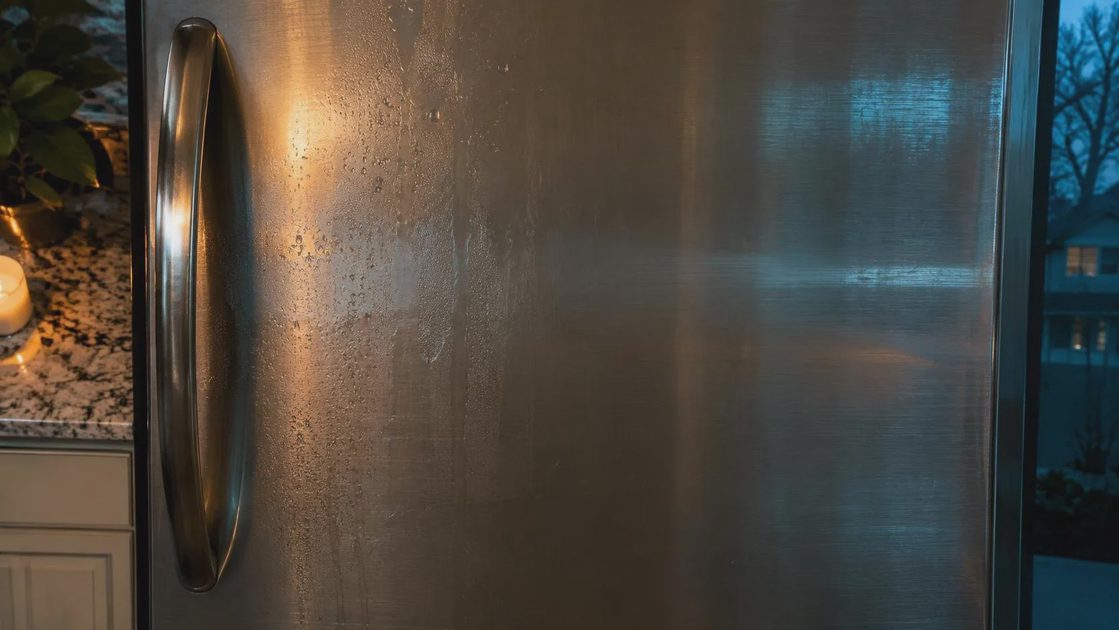
For an old house, I would settle the physical constraints first and choose the color last. White, stainless, and other finishes can look very different under kitchen lighting; fingerprints and dog-nose marks are more relevant to my life than a showroom photo. Ask for a finish sample or see the appliance in person if appearance is the tiebreaker.
Measure the opening and the trip inside
A Frigidaire refrigerator has to clear more than its final parking spot. Measure the opening at the top, middle, and bottom, then use the smallest width. Do the same for height if an overhead cabinet is involved. Old walls and floors do not always agree with the idea of a right angle.
Depth deserves its own measurement. Include the baseboard, any outlet or water connection behind the appliance, and the space needed for the doors and handles in front. Check the manufacturer's installation instructions for required ventilation and clearances. A model described as counter-depth can still project beyond the cabinets, especially once doors and handles are included.
Now measure the route: exterior door, hallway, tight turns, and kitchen entrance. Ask the delivery company whether it can remove appliance doors if necessary and whether that service costs extra. Don't assume a refrigerator that fits the niche will make it through a narrow doorway. Those are two separate math problems.
For a Frigidaire range or dishwasher, check the opening dimensions and the installation instructions just as carefully. A dishwasher has to fit under the counter and connect to water, drainage, and power; a range needs the correct electrical or gas supply. If an old floor was built up around the dishwasher, measure from the finished floor to the underside of the counter before ordering. Getting the old unit out can be the awkward part.
Compare features against the way you cook
Refrigerator capacity is usually listed in cubic feet, but the number doesn't tell you whether a pizza box, a tall pitcher, or a week's worth of containers will fit. Look at shelf placement, door-bin height, and whether drawers can open fully beside your wall or island. An ice maker or water dispenser may be useful, but it can also add a water-line requirement and filter costs. Check the specific model's setup and replacement-filter instructions.
With a Frigidaire range, start with fuel and dimensions, then consider oven capacity and the controls. Electric and gas installations aren't interchangeable without appropriate work. If you're changing fuel type or uncertain about an existing connection, get an installer to assess the job before you buy. A slide-in look is not a substitute for checking the actual cutout and countertop requirements.
Dishwashers invite a different question: what do you load? Look at rack layout, utensil storage, and the space for the pans you reach for most. A quietness rating can help you compare models, especially in a kitchen open to a living area, but lower decibel numbers aren't the only thing worth paying for. Drying options, filter access, and cycle length can matter more on an ordinary Tuesday.
Budget beyond the sticker
The purchase price is only the first line in the spreadsheet. Add delivery, installation, haul-away, taxes, and any required parts or connection work. Ask whether hoses, a power cord, or a water-line kit are included; that answer can vary by retailer and appliance. If cabinets, plumbing, or electrical service need work, get a separate estimate before placing the order.
Compare Frigidaire models using the same total-cost assumptions. For example, if one refrigerator costs $1,100 and another costs $1,350, the upgrade is $250 before any differences in installation or tax. Divide that $250 by the number of years you expect to use the extra feature. At five years, that's $50 a year. It's not a prediction of appliance life; it's a way to decide whether the feature earns its place in your budget.
Energy use belongs in that calculation too. Compare the EnergyGuide labels for the exact models you're considering, and check the electricity-rate assumption on each label. Your actual bill depends on your local rate, settings, and use. The label is a comparison tool, not a promise about your household's annual cost.
Check service and delivery before paying
Before ordering a Frigidaire appliance, read the warranty for the exact model and ask who handles service in your ZIP code. A manufacturer's warranty and a retailer's extended plan are different documents. Check coverage, exclusions, claim procedures, and any service-call charges before paying for an extension.
At delivery, inspect the appliance for visible dents or damage before signing the paperwork, and document anything concerning according to the retailer's instructions. Confirm the return window and whether installation changes your options. Keep the receipt, model number, serial number, and manual together; those details are much more useful during a service call than a photo of the pretty kitchen.
My formula is simple: smallest measured opening minus required clearances equals your usable space; purchase price plus delivery, installation, parts, and tax equals your real starting cost. Compare only models that pass both tests. Then pick the finish. Trust the tape, not your eye.