Two measurements can save you an expensive return: the wires at your thermostat and the square footage of the room you want to filter. Honeywell is a familiar name on both thermostats and air cleaners, but familiarity is not a compatibility test. For an old house, start with a thermostat's wiring requirements or an air cleaner's room rating—not the logo on the box.
I once spent 45 minutes deciding between two trash can colors and went home with neither. My system now is less glamorous: identify the problem, measure the space, and calculate the ongoing cost before comparing finishes. White is still my five-minute tiebreaker.
Start with the problem, not the brand
The Honeywell name appears on several kinds of home products, including thermostats and portable air cleaners. These are different purchases with different support and replacement-part needs. Honeywell Home thermostats and Honeywell-branded air cleaners may be made or supported by different companies, so use the exact model number and the support information on your product rather than assuming one help desk handles everything.
If the upstairs bedroom swings between chilly and stuffy, first ask whether the heating or cooling system actually serves that room evenly. A new thermostat can improve scheduling and control; it cannot add ductwork or make an undersized system larger. For pet hair and dusty upholstery, a portable air cleaner may help capture airborne particles, but it won't vacuum the rug or eliminate the need to wash the dog bed.
For either purchase, write down the room dimensions, where the device will go, and the inconvenience you're trying to fix. A unit that blocks a walkway or needs an outlet behind a bookcase has already failed my floor-plan test.
Check thermostat wiring before ordering
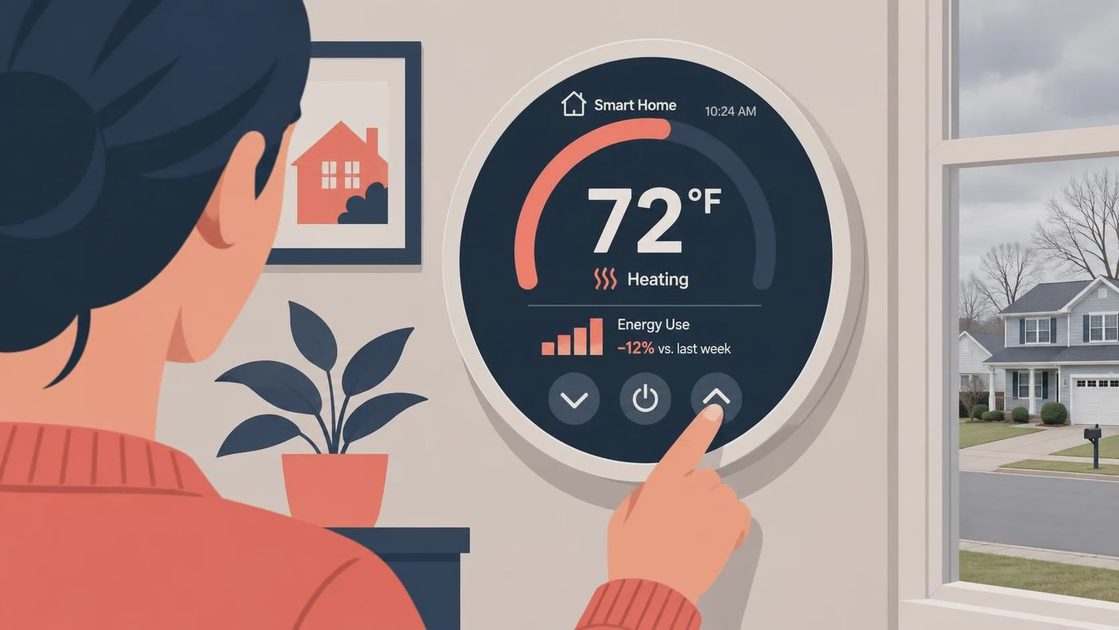
A Honeywell thermostat is not automatically compatible with every old heating system. Before removing anything, turn off power to the heating and cooling equipment at the appropriate switch or breaker. Take a clear photo of the existing wiring and note the terminal letters—not just the wire colors. Do not disconnect wires unless you're comfortable doing so safely.
Look for a C terminal and an attached wire. Some connected thermostats require a common wire for power, while others have different power arrangements. Check the installation instructions for the exact model you're considering. An unused wire tucked into the wall isn't necessarily connected at the equipment end, so its presence alone doesn't settle the question.
Older homes can have line-voltage electric heat, millivolt systems, heat pumps, or other arrangements that need particular controls. A thick cable or a voltage marking is a reason to stop and investigate, not a license to guess. If the system or wiring is unclear, ask an HVAC professional or electrician to identify it before buying. Incorrect wiring can damage equipment or create a safety hazard.
Also measure the old thermostat's footprint. A smaller replacement might expose unpainted plaster, old screw holes, or a wallpaper outline. Check whether a cover plate is available and whether its dimensions will hide the marks. This is the sort of five-minute measurement that prevents a Saturday spent matching 20-year-old paint.
Size an air cleaner for the room
For a Honeywell air cleaner, measure the room's length and width in feet and multiply them. A 12-by-15-foot bedroom is 180 square feet. Compare that figure with the manufacturer's room-size guidance for the specific unit, and check the clean air delivery rate, or CADR, for the particles you want to address. CADR describes the volume of filtered air delivered under standardized test conditions; higher is generally useful when comparing units for the same particle type.
Ceiling height and layout matter too. A room with tall ceilings contains more air than a same-size room with standard-height ceilings, and a unit in the bedroom won't clean a closed-off living room. Room-size claims can also depend on the assumed number of air changes per hour. Compare that assumption when it's stated, rather than treating every square-foot number as equivalent.
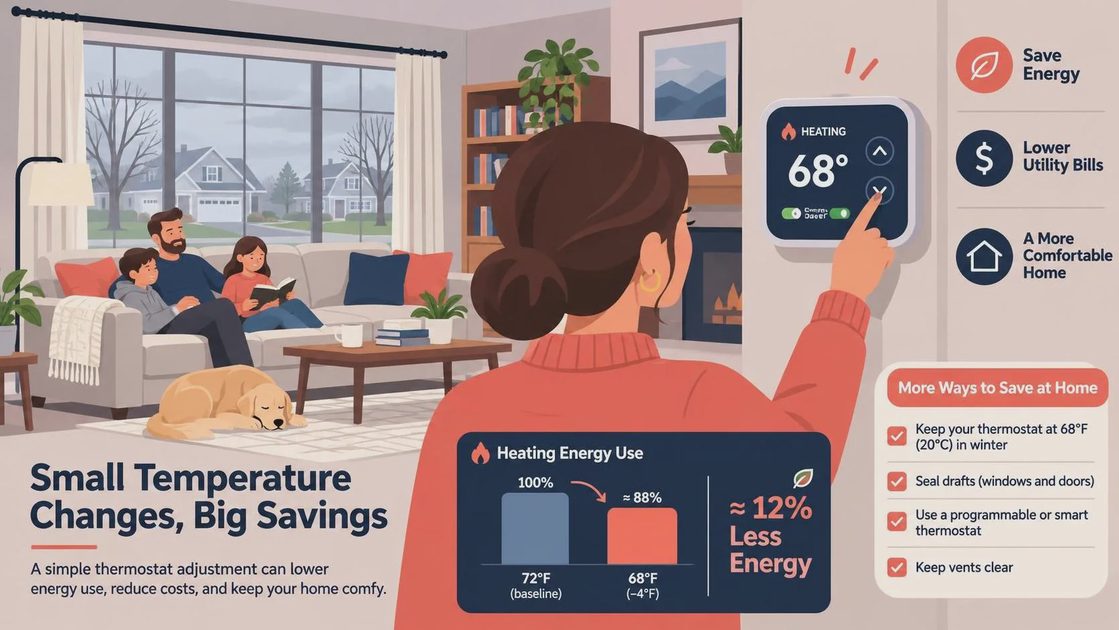
Check the manual for clearance around air inlets and outlets. Don't tuck the machine behind a curtain or push it tight against a sofa just because the outlet is convenient. In a dog household, leave the cord out of the main traffic path and choose a spot where a wagging tail won't knock over a stack of books. Filtered air is nice; an obstacle course is not.
Noise is another practical constraint. A bedroom unit may have a quiet setting, but lower fan speeds generally move less air. If the listing includes sound levels, check which speed they describe. A return policy matters here: comfort with fan noise is personal, and a specification cannot tell you whether you'll sleep through it.
Calculate the ownership cost
A Honeywell purchase has two budgets: the checkout total and the cost of keeping it useful. For a thermostat, add any installation, wiring changes, cover plate, and wall repair. For an air cleaner, add replacement filters and any electricity cost you want to account for. Prices and service rates vary, so use local quotes and the actual filter listing rather than a national average.
Find the exact replacement filter model before ordering the machine. Check whether the unit uses a separate pre-filter, how the manufacturer says to maintain it, and the recommended replacement intervals. Actual intervals depend on the product and conditions; a home with a shedding dog may require more frequent attention. Don't assume a washable-looking filter can be washed—follow that model's instructions.
For an apples-to-apples comparison, use this formula: first-year cost equals purchase price plus installation and materials plus expected filter replacements. For later years, compare replacement filters and estimated electricity. If an air cleaner costs $120 and its first year's filters cost $40, the starting comparison is $160 before electricity and any other expenses. Those are example numbers, not a price quote.
Finally, check the seller's return window and save the model number and receipt. Honeywell branding can get you to the right shelf; the model-specific manual gets you to the right decision. Trust the tape, not your eye.