One word, several very different searches. Wayne is an English given name and surname, a name shared by American communities, and a brand associated with water pumps. It also brings up people such as actor John Wayne and rapper Lil Wayne. If you came here looking for a specific person, place, or piece of equipment, the quickest answer is to add one identifying detail to your search: a first name, state, or product type.
I once spent 45 minutes deciding between two trash can colors and went home with neither. An ambiguous search can work the same way: too many options, no useful comparison. Here's the sorting system I'd use before opening another dozen tabs.
What does the name Wayne mean?
Wayne began as an English occupational surname associated with a wagon maker or wagon driver. Its roots are connected to an old word for a wagon or cart. As with many surnames, it later became a given name too.
That history describes the origin of the word, not the occupation of every family that carries it. A surname alone won't tell you which branch of a family you're related to, where an ancestor lived, or how a particular person earned a living. For family research, pair the name with a location and an approximate date, then check records that connect one generation to the next.
As a first name, it is generally pronounced like the word “wane.” It appears both on its own and as part of a full name. When searching historical documents, try both the first-name and surname positions; an index can put a middle name where you weren't expecting it.
People and characters you may mean
John Wayne was an American film actor known for Westerns and other movies. His birth name was Marion Morrison. Add a movie title to a search if you're looking for a particular performance rather than a biography.
Lil Wayne is an American rapper whose name is Dwayne Michael Carter Jr. A song title, album name, or collaborator is a better search clue than the single word alone, especially when you're trying to identify a recording rather than an artist profile.

Bruce Wayne is the civilian identity of Batman, the fictional DC character. If you're looking for a particular version, include the actor's name, the comic title, or the name of the film or series. Batman has appeared in enough adaptations that a general character summary may not answer a question about the version you just watched.
These names aren't interchangeable search terms. The fictional character, for example, has different stories and details across adaptations. Before relying on a result, check whether it is discussing the actor, a character they played, or the fictional person within a story. That small distinction saves a surprising amount of backtracking.
Places called Wayne
Several US communities share the name, including Wayne, New Jersey, and Wayne, Pennsylvania. Fort Wayne, Indiana, is a different place with a longer name. If you're researching a move, a home, or a local service, include the state and, when possible, the ZIP code or county.
A town name by itself is a poor stand-in for an address. Municipal boundaries, mailing addresses, school assignments, and utility service areas don't always line up neatly. Before making a housing decision, verify the specific property's information with the relevant local office or service provider rather than assuming a search result for a similarly named community applies.
For an old-house project, I'd also search by the property's municipality and the kind of work involved. Rules for permits, inspections, and disposal can vary by jurisdiction. A useful search might combine the town and state with “window replacement permit” or “construction debris disposal.” Then confirm the requirements directly before ordering materials or scheduling the work.
What about Wayne water pumps?
WAYNE is also a brand name associated with pumps, including sump pumps. That's the interpretation worth checking if the word is printed on equipment in a basement or crawl space. The brand name alone does not tell you which replacement pump to buy.
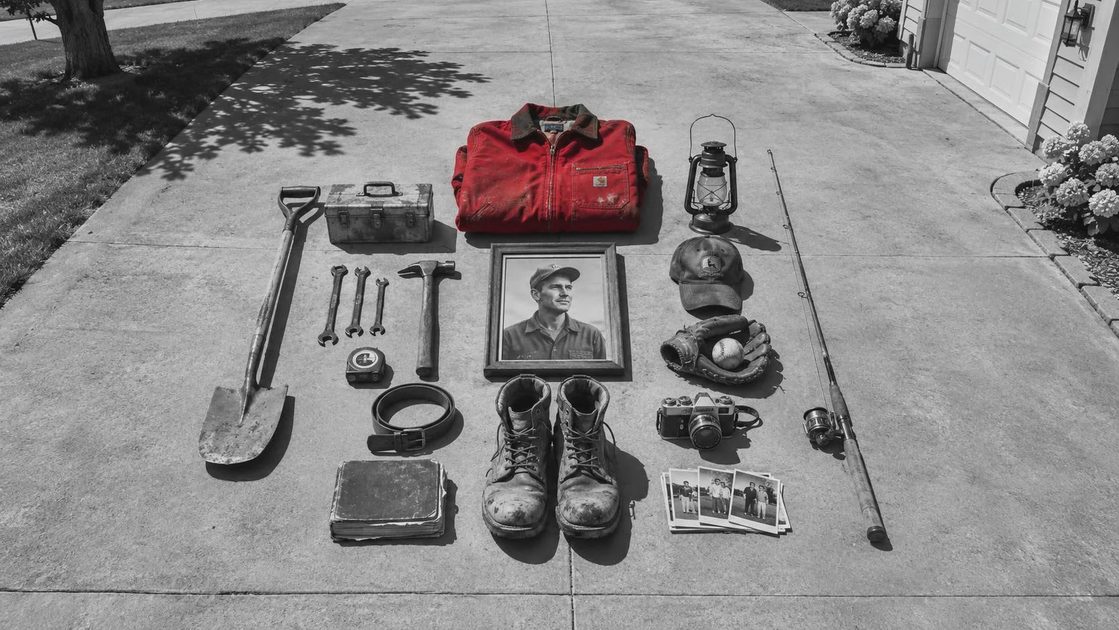
Start with the label on the existing unit. Record the model number, voltage, and any capacity information you can read. Photograph the discharge piping and the pump's position in the pit. Those details are more useful than a picture of the logo when comparing a replacement or asking a professional for help.
Next, measure the vertical distance water must travel from the pump to the discharge point. This is part of the pump's required lift, often called head. Pipe layout and fittings can add resistance, so vertical distance isn't the whole calculation. Compare the manufacturer's performance information at the relevant head rather than choosing solely by horsepower or the largest flow number on a box.
Check the discharge connection and the available space in the basin as well. A float switch needs room to move without catching on the pit wall, pipe, or power cord. If the old system has a check valve, note its location and condition; the replacement instructions and local requirements should guide the installation.
Water and electricity are not the place for a confident guess. Disconnect power before inspecting equipment, and don't reach into a wet pit or handle electrical components in standing water. If you can't safely isolate the circuit, or you're unsure about the wiring or discharge arrangement, call a qualified professional. A backup system may be worth discussing where an outage or pump failure could cause substantial damage, but its value depends on the basement and the consequences of a flood.
A five-minute way to narrow the search
Use the evidence you already have. A record with a birth date points toward a person; a shipping address points toward a place; a label with voltage and a model number points toward equipment. Add that detail to the original word and remove results that don't match it.
For a person, use a full name plus an occupation or approximate date. For a place, use the state plus the street address or local service. For a pump, use the model number plus the part or problem—for example, a float switch or replacement instructions. Check the date and source of any result before treating it as an answer.
My formula is simple: name + identifier + question. Three pieces of information beat one crowded search term. Trust the tape, not your eye—and, in this case, trust the label more than the logo.