We closed on this 1920s Colonial in Columbus, Ohio exactly 13 months ago. 1,850 square feet above grade. Plaster walls. Original oak floors that creak in all the right (and wrong) places. A basement that Tim, my civil engineer husband, still refers to as "the adventure zone."
I left finance at 28 after the spreadsheets stopped feeling like a game and started feeling like a cage. Bought the first fixer-upper with savings from underwriting commercial real estate deals. This is house number three. Each one teaches harder lessons.
The listing photos lied beautifully. They always do. What they didn't show: the 2.5-inch slope across the living room floor, the knob-and-tube wiring still lurking in some walls, and the clay sewer line that greeted us with a dramatic backup two weeks after moving in.
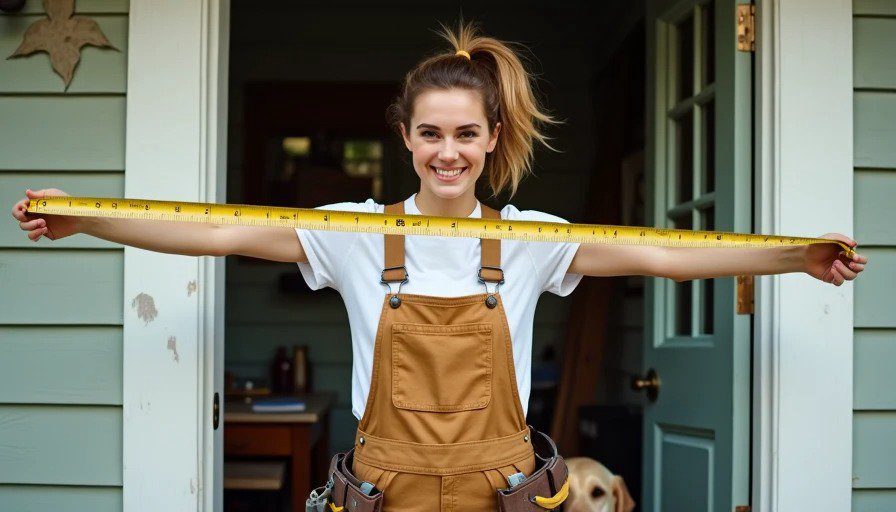
Trust the tape, not your eye. That's rule number one. I repeat it like a mantra.
What We Actually Spent (The Spreadsheet Doesn't Lie)
I track everything. Every dollar. Every hour. Every "honey, the inspector said..." conversation.
Year 1 Total: $68,400 (not including our sweat equity, which Tim values at roughly $45k because "engineers don't work for free").
Breakdown highlights:
Foundation and structural bandaids: $18,200. Turns out the back porch was held up mostly by hope and 100-year-old mortar. We sistered joists and added proper footings. Tim did the math on load-bearing twice. I held the tape.
Plumbing emergency (clay line replacement): $9,800. Classic 1920s surprise. One heavy rain and we learned why old houses in Ohio have stories.
Electrical safety first: $7,500. Selective rewiring of knob-and-tube sections. We kept some original where it was safe and accessible because character matters, but not at the cost of burning down the house.
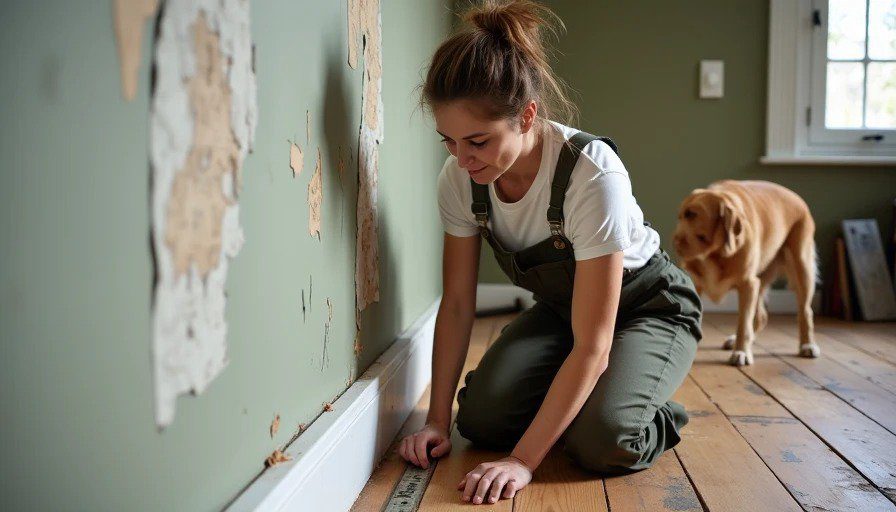
Floor leveling in main living areas: $4,200. Self-leveling compound and some strategic sanding. The floors are now within 0.5 inches across 20 feet. Livable. Not perfect. Perfect costs more than we had.
Paint, minor drywall/plaster repairs, and basic finishes: $12,000.
Dog-related reality checks: $3,700 and counting. More on that below.
Tools and learning curve tax: $2,000. I now own three different kinds of stud finders. Only one works reliably.
The rest went to materials we could install ourselves. I refuse to pay markup for things I can learn on YouTube at 1.5x speed while drinking coffee at 6 a.m.
The Dog Factor: Golden Retriever Edition
We have a golden retriever. Let's call her data point #47 for now — we're still analyzing name recall rates based on syllable count and vowel sounds. She sheds like it's her full-time job. She also has opinions about furniture placement.
Lesson one: Buy washable everything. I have washed area rugs 47 times in the last three years across houses. That's not hyperbole. I kept the spreadsheet.
We chose performance fabrics with tight weaves and high Martindale rub counts (over 50,000 where possible). Light-colored rugs with patterns that disguise the golden fur tsunami. Mid-tone beige with subtle geometric designs works better than solid darks or lights for us.
Pet-proofing math we use:
Clearance under sofas: Minimum 15cm so the vacuum reaches. No more "lost toy graveyard."
Passageways: Exactly 45-60cm between major furniture pieces. Any less and the dog creates her own shortcuts through your decor.
Baseboards: We tested quarter-round vs. full 5.5-inch colonial profiles. The taller ones hide more scratches initially but show them worse when they happen. PVC or primed MDF painted with high-gloss for wipeability.
Tim wanted to crate train more aggressively. I wanted open concept flow. We compromised with strategic baby gates during the worst shedding months and a dedicated "dog zone" in the mudroom with washable mats and a $180 DIY wash station (parts list coming in a future post).

Old House Realities That No One Posts About
Plaster walls are beautiful until you tap them and hear the hollow sound. We learned the "tap test" the hard way: solid thunk = good. Drum-like = repair needed.
Windows: Original single-pane beauties. Drafty as hell. We added interior storm windows on the north side first — dropped heating costs by measurable percentages. Data pending full winter.
Radiators: They're staying. Ugly? Yes. Efficient once you balance them? Surprisingly good. We built simple plywood covers with vents for $80 in materials. Looks intentional. Hides the beast.
Asbestos? Tested. Some floor tiles in the basement had it. Encapsulated, not removed. Safety first, drama second.
The Philosophy That Keeps Me Sane
Design isn't about having a "good eye." It's applied math with soul.
Data gives comfort: clearance distances, lumen requirements for reading nooks (400-600 lumens at task height for me), cost-per-square-foot calculations, wash cycles survived.
The ugly vintage ceramic vase I paid too much for? That's the soul part. It doesn't fit any formula, but it makes the numbers feel worth it.
My father ran a secondhand furniture shop. I learned to spot dovetail joints and solid wood before I could drive. Finance taught me to run the numbers. Renovating taught me they don't always capture everything.
Tim's job is to say "that wall is load-bearing" and "your circuit calculation is off by 40%." Mine is to make it beautiful anyway, within the constraints he sets. We fight. We measure again. We compromise with data.
What I'd Do Differently Next Time (Or In Year 2)
Budget 20% contingency, not 15%. Old houses laugh at 15%.
Document everything with photos and measurements from day one. Future-you will thank you when the inspector asks questions.
Test paint swatches for 72 hours under actual living conditions. I eliminated 47 shades of white. LRV (Light Reflectance Value) matters more than the name on the can.
Prioritize systems over finishes early. Plumbing, electrical, structure. Then the pretty stuff.
Accept that the dog will claim one piece of furniture as hers. We gave her the reading chair corner. She sheds there less now. Correlation, not causation. Still.
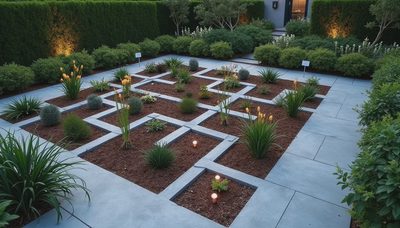
We're only in year one. The kitchen still needs love. The upstairs bathroom has original tile I refuse to rip out yet. The backyard perennials are just getting established — plants should match the house's timeline.
I'll keep posting room by room. Every spreadsheet. Every mistake. Every win. Every "Tim was right" admission (they happen).
If you're in an old house, dealing with the same quirks, measuring twice because once isn't enough — you're in the right place.
Trust the tape, not your eye.
We'll figure out the rest together. One data point at a time.