
You walk into your old kitchen. The cabinets are from the 70s. The countertops are cracking. The layout makes zero sense for how you actually cook. You open your phone, search "kitchen renovation cost," and immediately close the tab when you see six-figure numbers.
I’ve been there. Three times now.
Finance background helped, but nothing prepares you for the reality of 1920s plumbing that’s older than your grandparents. The trick isn’t having perfect information upfront. It’s having a system that adapts when surprises hit — because they will.
The Three-Bucket System
I divide every renovation into three non-negotiable categories. Money flows in this strict order. No exceptions.
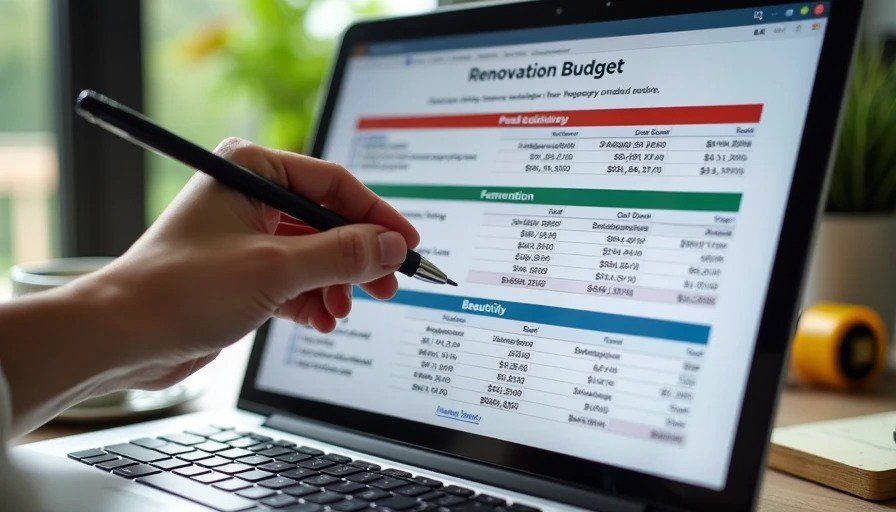
1. Safety (Must-Fix Bucket)
This gets funded first, even if it eats most of the budget.
Structural issues
Electrical hazards (knob-and-tube, overloaded circuits)
Plumbing failures
Mold, lead paint, asbestos if disturbed
Anything that could hurt you, your family, or your dog
In our current kitchen: We discovered a leaking pipe behind the wall during demo. That alone added $3,200. Non-negotiable.
Rule: If it fails inspection or keeps you up at night, it goes here. No beauty items until this bucket is closed.
2. Function (Makes It Work Bucket)
Layout efficiency, storage that actually fits your life, durable surfaces that survive daily use and dog paws.
Cabinet layout and storage solutions
Countertop durability (quartz over laminate for us)
Flooring that handles water and fur
Lighting — actual task lighting, not just pretty pendants
Appliances that match your cooking habits
3. Beauty (Makes It Feel Like Home Bucket)
Only after the first two are solid.
Paint colors and finishes
Hardware and decorative elements
Backsplash tile you love
That one splurge vintage light fixture
This system forces honesty. In our first house I tried to do all three at once. Learned the expensive way.
Our Kitchen Numbers (Real, Not Aspirational)
Total spent on current kitchen refresh: $48,200 (same footprint, no major structural moves). Mid-range for Columbus 2026 prices.
Safety Bucket: $14,800 (31%)
Plumbing reroute and leak repair: $3,200
Electrical upgrade (new circuits, GFCIs, under-cabinet lighting wiring): $4,100
Subfloor repair and minor leveling: $2,900
Mold remediation behind old sink: $1,800
Permit and inspections: $2,800 (worth every penny)
Function Bucket: $24,700 (51%)
Stock cabinets with soft-close upgrades: $9,400
Quartz countertops (mid-grade): $6,200
Luxury vinyl plank flooring (pet-proof, waterproof): $3,100
Energy-efficient appliances (refrigerator, range, dishwasher): $4,500
Sink, faucet, and garbage disposal: $1,500
Beauty Bucket: $8,700 (18%)
Backsplash tile (peel-and-stick options tested first): $2,800
Paint and trim: $1,200
Hardware and pulls: $950
Lighting fixtures (mix of plug-in and hardwired): $2,300
Open shelving and accessories: $1,450
We came in $3,800 under our original $52k target because I returned three wrong tile orders and negotiated on the quartz remnant.
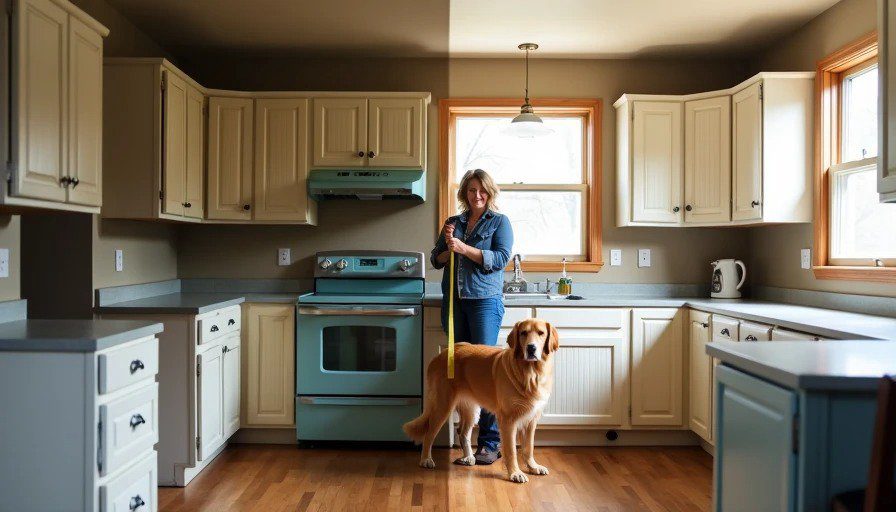
The Spreadsheet Template (What Actually Matters)
Download the one I use (link at bottom — Google Sheet copy). Columns include:
Item
Category (Safety/Function/Beauty)
Low Estimate / High Estimate / Actual
Vendor/Source
Notes (include "Tim said no" for accountability)
ROI Potential (resale value impact — rough)
Dog Durability Score (1-10)
Key formulas built in:
Running total per bucket
Percentage allocation check (forces you back to order)
Contingency calculator (I recommend 20% for old houses)
Questions to Ask Before You Spend a Dollar
Scope Reality Check
Are you staying in the same footprint? (Huge cost saver)
How many years do you plan to live here? (Changes the math dramatically)
What must survive a golden retriever and weekly cleaning?
Vendor Questions That Save Money
"What’s the price difference between this and the next lower grade?"
"Do you have remnants or overstock?"
"Can I buy materials myself and pay you only labor?" (Often yes)
Tim’s Engineer Questions (Steal These)
Load calculations if moving anything structural.
Electrical draw totals.
Waterproofing details in wet areas.
Long-term maintenance costs.
Common First-Timer Traps I’ve Hit
Falling in love with the $18,000 custom range hood before checking if the electrical can support it.
Choosing pretty but impossible-to-clean grout in a high-splash zone.
Ignoring lighting until the end. Bad lighting ruins $40k worth of finishes.
Not measuring existing doorways and appliances. We had to take the fridge door off twice.
My 5-minute decision rule saved me here too. When I got stuck choosing between two similar quartz patterns, I set a timer. Still went with the safer neutral.
Make It Work for Rentals Too
Even if you’re renting, the same buckets apply on a smaller scale.
Safety: GFCI outlets, secure shelving.
Function: Tension rods, over-door organizers, peel-and-stick upgrades.
Beauty: Removable wallpaper samples, renter-friendly art hanging systems.
The principles scale.
You don’t need to know exact costs on day one. You need a framework that forces priorities when surprises appear — and they always do in old houses.
Safety first keeps you legal and alive.
Function makes the space work for your actual life (and dog).
Beauty is the reward when the first two are handled.
I’ve made the mistakes so you don’t have to. Track everything. Measure twice. Adjust the buckets as needed but never violate the order.
The kitchen works now. We cook more. The dog has her designated "begging spot" that’s easy to clean. Tim stopped complaining about the old outlets.
Next up: deeper dives into specific line items and how I negotiate better quotes.
Trust the tape — and the spreadsheet.



No comments yet — grab the first one.