You get the keys. You’re excited. Then the first heavy rain reveals the clay sewer line is failing. Welcome to old house math.
Across three properties I’ve tracked every surprise. Here are the big ones with real numbers from our current 1920s Colonial and previous homes. No estimates — actual checks written.
The Big Four Hidden Killers
1. Plumbing Nightmares (Our $9,800 Surprise)
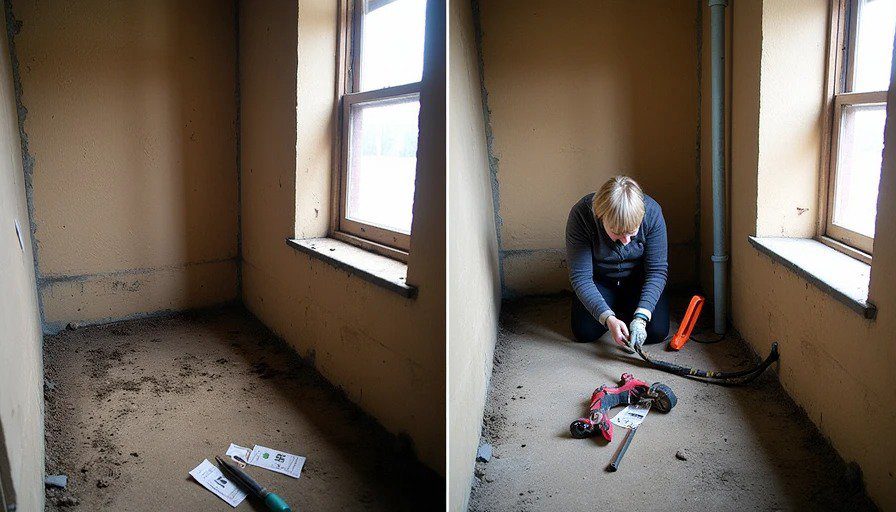
Cast iron pipes from the 1920s corrode. Clay sewer lines crack. In one house we had a full sewer backup two weeks after closing.
Partial cast iron replacement: $4,000–$12,000
Clay line to city sewer: $8,000–$15,000 (depending on length and access)
Emergency after-hours call: $1,200 just to diagnose
Lesson: Video inspection of main line during inspection period. Budget 10-15% of purchase price for plumbing contingency in pre-1940 homes.

2. Electrical Systems (Knob-and-Tube and Friends)
Knob-and-tube wiring is a fire hazard and insurance headache. We replaced sections selectively.
Full rewiring: $15,000–$30,000+ for whole house
Selective + upgrades (our approach): $7,500
Panel upgrade and GFCIs: $2,800
Data Point: Insurance companies often require updates or charge higher premiums. We saved long-term by doing it early.
3. Lead Paint and Asbestos
Disturbing old paint creates hazards. Testing and abatement:
Professional testing: $400–$800
Containment and abatement for disturbed areas: $3,000–$8,000
Encapsulation instead of removal where possible: Big savings
We encapsulated basement tiles rather than full removal. Smart decision.
4. Foundation and Structural Settling
Old houses move. Ours had a sloping floor and porch issues.
Sistering joists / minor foundation work: $8,000–$25,000
Crawl space or basement waterproofing: $4,000–$12,000
Total for our Year 1 structural/plumbing/electrical: Over $35,000 beyond cosmetic.
Other Sneaky Costs That Add Up
Mold and Moisture: $1,500–$6,000 in one previous house.
Window Restoration vs Replacement: Kept originals + storms for efficiency ($4,200).
Radiator Balancing and Repairs: $800.
Asbestos in Ducts or Flooring: Test early.
Permit and Inspection Fees: Higher than expected in historic districts.
Tool and Dumpster Overruns: $2,000+ across projects.
Lost Rental Income or Hotel Stays During Major Work: Plan for it.
My Hidden Cost Spreadsheet Categories
I now force these into every purchase analysis:
Safety Systems (plumbing, electrical, structural) — 20-30% contingency
Environmental Hazards (lead, asbestos, mold)
Envelope (roof, windows, foundation)
Unexpected Access (walls, floors)
Code Upgrades for Insurance/Resale
Running totals with low/mid/high scenarios. Adjust as inspections come in.
How to Protect Yourself
Inspections: Spend on a thorough old-house specialist, not general. Add sewer camera and electrical evaluation.
Contingency: 20% minimum on top of known repairs.
Phased Approach: Safety first, then function.
Learn DIY Where Safe: Saved thousands on non-structural work.
Insurance Check: Get quotes early with known issues.
The houses have paid back in equity and learning, but only because I budgeted for the ugly truths.
Tim’s engineer brain loves the updated spreadsheet. My “therapy through fixing” still works, but with better numbers now.
Buying an old house is buying a relationship — beautiful, high-maintenance, full of surprises. The data makes it sustainable.
Trust the tape — and the inspection report.