
Usually the first number I need when replacing broken window glass is the worst-case price. A standard double-hung window with a 24x36-inch opening runs anywhere from $280 to $620 for parts and labor, depending on whether you call a pro or fit the glass yourself. For a single-pane aluminum frame, you might get away with $120. For a big picture window, expect to see $700 or more. A contractor's ladder punched through a back bedroom pane in my old house last spring, and I spent two days overthinking the replacement before I built the system below. This guide walks through the costs, the measurements, and the order of operations.
What Affects the Price of Replacing Broken Window
I priced this at three local glass shops in Columbus plus Home Depot. The cost falls into five buckets: glass type, size and shape, labor, materials, and access. Single-pane float glass runs $3.50 to $6 per square foot. Tempered glass costs $7 to $12. Insulated glass units with two panes run $15 to $25 per square foot. A 24x36 pane is roughly 6 square feet; a 36x60 picture window is 15 square feet. Odd shapes and oversized lites add a surcharge of 15 to 25 percent. A pro charges $100 to $180 per hour, with a minimum service call around $80. Add $15 to $35 for glazing putty, points, and caulk. Second-story work adds a ladder fee of $50 to $150. DIY saves the labor, which is the biggest chunk. I spent $64 on glass and $18 on supplies; the pro quote for the same window was $310. If you're handy, that's a $246 savings on a single window. Do three windows and you've paid for a good caulk gun and a six-pack.
Measure Three Times, Order Once
When you're dealing with replacing broken window glass in an old house, the first task is to remove the broken pane. Wear heavy leather gloves and safety glasses. Clean the rabbet — the recessed ledge the glass sits on — so you get a true reading. Measure from stop to stop at the top, the middle, and the bottom, and use the smallest width. Do the same for height. Then subtract an eighth of an inch from each dimension to leave room for expansion and glazing compound. Bring those numbers to a glass shop or the Home Depot cutting station. For an old house, take a photo of the muntin pattern; a good shop can cut to an odd shape.
That quarter-inch buffer matters because glass expands when it heats up. If it's tight to the frame, it will crack the first hot afternoon. I learned this from three cracked panes in a rental I had in Athens. Glass shops also charge more for tiny custom cuts — a 12x12 pane might run $18 while a 24x24 is $22. Ask if the cutting fee is built in before you pay.
Which Glass Should You Order
For most homeowners, replacing broken window glass means choosing between a standard float pane and a low-E pane. The two decisions are thickness and coating. Most residential windows use 3/32-inch or 1/8-inch glass. Old single-pane windows often take 3/32. If the rabbet is deep, switch to 1/8 for better insulation and wind resistance.
For a modern double-pane unit, the entire insulated glass unit needs to be replaced, not just one lite. An IGU with low-E coating runs $150 to $300 per sash, and you have to reinstall the stops carefully or air leakage voids the warranty. Low-E costs 10 to 15 percent more but cuts heat transfer through the pane by 30 to 40 percent. In my 1950s house, swapping the back bedroom to low-E made that room noticeably less drafty in January.
DIY vs. Hiring a Pro: Where I Draw the Line
The math on replacing broken window yourself vs hiring a pro tilts in your favor for any ground-floor, standard-rectangle pane. You save the labor portion, which is usually 60 percent of the quote. For a second-story sash with an IGU, I call a pro. Scaffolding, seals, and warranty are worth the cost.
Check your local building department before you start. Some municipalities require a permit for oversized glass work, and the fine for skipping it can easily exceed the cost of the window. A five-minute phone call covers you. If you rent, check your lease; many landlords cover window repair. I once got reimbursed for a broken storm window after sending a photo and receipt.
The Installation Process, Step by Step
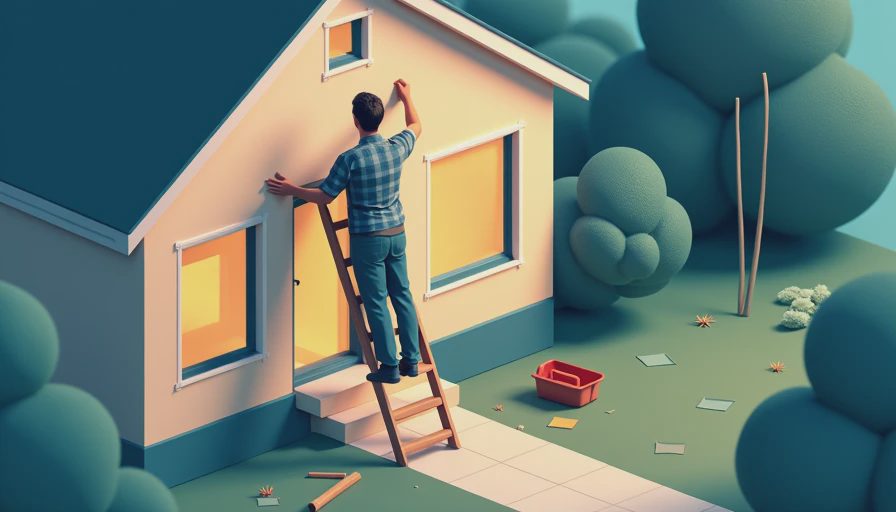
The actual act of replacing broken window glass takes about twenty minutes; the prep takes two hours. Order the new glass and pick it up after it's cut. Handle it with two hands, never on the edge. Use a glass cutter? No — don't try to cut the pane yourself unless you have a proper glass-cutting table. Have the shop do it. Scrape out all the old glazing compound and remove the glazing points with pliers. Sand the rabbet and coat it with primer or wood sealer if it's bare. Run a thin bead of glazing compound around the rabbet, set the glass, and press firmly. Push in 3 or 4 glazing points per side to hold it. Add a second layer of compound over the glass edge and smooth it with a putty knife. Let the compound dry overnight, then paint the putty to match the trim. Painter's caulk over the joint keeps out moisture. Mine survived a 40 mph windstorm that took down a fence in my yard.
How to Stay Out of the "Window Gap"
A few final triggers turn a simple repair into a bigger project. If the broken pane shows moisture stains between the two panes of an IGU, the seal failed, so replace the whole unit now. If the frame is rotting, you can't reuse a spongy wooden frame; make the repair by sistering a new piece of wood or call a carpenter. If a storm broke several windows, check your home insurance policy. A single pane often falls below the deductible, but a storm that damages five windows might be claimable. Keep the quote and receipts either way. Keep a small piece of the old glass to match thickness, and order a little extra for future cracks.
The formula I use: measure twice, subtract 1/8, and never trust your eye for a square opening. That's how I keep a broken window repair from becoming a full window replacement project. Trust the tape, not your eye.