I spent 45 minutes comparing two trash cans and then installed a garage door security latch upside down. Tim noticed in approximately four seconds. This is why learning how to secure garage door access deserves a system, not a frantic trip to the hardware aisle. A garage is an unusually attractive entry point: it is attached to the house, often has a remote sitting in a car, and usually contains a door leading directly into the kitchen or hallway.
The good news is that effective security is not automatically expensive. A working door, a protected emergency release, a strong interior door, and sensible habits usually matter more than a shelf full of Wi-Fi sensors. My target budget is $25 to $250, depending on what is already installed. Trust the tape, not your eye — and in this case, trust the locked mechanism, not the reassuring click.
Start with the garage door itself
The first step in how to secure garage door access is checking whether the door closes completely. Stand inside the garage during daylight and inspect the bottom seal. Light showing through a corner can mean a worn seal, a bent track, or a door that is no longer sitting level. A replacement seal commonly costs $15 to $40, while a track adjustment is a service call rather than a satisfying Saturday project.
Test the auto-reverse feature by placing a solid roll of paper towels under the door. When the door contacts it, the opener should reverse. Test the photo-eye sensors by interrupting the beam with your leg while the door is closing. The door should stop or reverse. Never defeat, tape over, or reposition those sensors just to make an old opener behave.
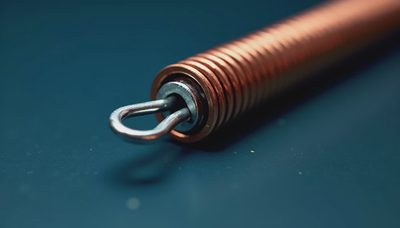
Also inspect the lift cables, springs, rollers, and hinges from a safe distance. Springs store enough energy to cause serious injury, so I do not recommend adjusting torsion springs with a socket wrench and optimism. If the door is crooked, unusually loud, or drops when disconnected from the opener, call a qualified garage-door technician. A secure garage door that cannot close reliably is just a heavy, decorative suggestion.
Secure the emergency release and opener
Many automatic garage doors include an emergency release cord. It is useful during a power outage, but an intruder can sometimes manipulate an exposed release from outside through the top gap. The fix is not to remove the release. That creates a safety problem. Instead, ask a garage-door professional about an approved shield or guard designed for your opener and door configuration. Some products cost around $20; installation can be higher if access is awkward.
Check the opener's age and controls. Modern openers from brands such as Chamberlain, LiftMaster, and Genie often include rolling-code technology, which changes the access code after each use. Older fixed-code remotes deserve more suspicion, especially if you bought the house with several unexplained clickers in a drawer. Erase old remotes from the opener's memory, then program only the devices your household uses.
A smart opener can send an alert if the door remains open and let you close it remotely. That feature is valuable when I am already in bed wondering whether I pressed the button. It is not a substitute for a strong password, two-factor authentication, and updated firmware. Put the opener on a separate, named Wi-Fi network if your router supports guest or device networks. Convenience should reduce mistakes, not create a new unlocked path.
Strengthen the door into the house
The interior garage entry door is often more important than the overhead panel. If it has a hollow-core slab, a loose strike plate, or a short screw holding the latch, the garage can become a covered waiting room for an intruder. A solid-core or metal door with a deadbolt provides a better barrier. Use three-inch screws through the strike plate and hinges into framing where appropriate, not just into thin trim.
Before buying hardware, measure the door thickness, backset, and frame condition. Old houses produce surprises: a door frame may be packed with shims, the strike may sit over damaged wood, or the threshold may have settled by half an inch. A $35 to $90 deadbolt is wasted money if the screws land in crumbling trim. A reinforcement plate can add another $15 to $30 and spreads force over a larger section of the jamb.
The door should close and latch without lifting, shoulder-checking, or dramatic language. Keep the passage clear, especially if a dog treats the garage as a storage room for forbidden smells. Do not prop the door open with a boot while carrying groceries; that is how a good security upgrade becomes a decorative object.
Improve visibility without turning the garage into a showroom
Lighting changes the calculation for anyone testing your property. A motion-activated LED fixture over the garage door can cost $30 to $100 and is usually more useful than a bright lamp that stays on all night. Aim the fixture across the driveway and side approach, not directly into a neighbor's window. If the garage sits behind the house, add coverage to the path between the driveway and the side door.
Trim shrubs that create a hiding place beside the garage, but do not remove every bit of planting to create a parking-lot aesthetic. I use a simple measurement: keep mature branches below the sightline of the door windows and leave enough clearance for the light's sensor. A camera can help document activity, but it should be placed high enough to resist tampering and angled to avoid recording a constant view into a neighbor's property.
A visible camera is a useful deterrent, while a hidden backup camera can preserve evidence if the obvious one is damaged. Store alerts in the cloud, set motion zones carefully, and avoid notification settings so sensitive that you stop reading them after three days.
Build a five-minute closing routine
Hardware fails less often than memory. My closing routine takes about five minutes: confirm the overhead door is fully down, check that the interior door is latched, bring the remote inside, and glance at the opener status in the app if I am away. The car remote does not stay in a vehicle parked outside overnight. If a vehicle is stolen, the remote can provide a direct route to the garage.
Keep the garage windows covered if they reveal tools, bikes, or a second access door. Do not hide a spare key in a planter beside the garage. A keypad is convenient, but use a code that is not your house number, birth year, or the final four digits of a phone number. Change it when a contractor, tenant, or house sitter no longer needs access.
When learning how to secure garage door access, write the routine on a small label inside the door rather than relying on memory. This is not glamorous. Neither is discovering at 11:30 p.m. that the opener has been open since lunch.
What I would buy first
For a typical older home, I would spend $20 to $40 on a new bottom seal if light or drafts show underneath, then inspect the interior door and strike plate. Next comes an approved emergency-release guard if the opener design leaves that mechanism exposed. After that, I would consider a $40 to $100 motion light and a smart opener or external controller only if reliable alerts solve a real problem.
I would not begin with a $400 camera package while the garage door fails its reverse test. I would not replace a sound opener solely because a newer model has a prettier app. And I would not drill into springs, cables, or a torsion assembly to prove a point. Safety and security are related, but they are not interchangeable.
The repeatable formula is simple: close correctly, reverse safely, protect the emergency release, strengthen the house-entry door, illuminate the approach, and remove remote access from parked cars. That is how to secure garage door access with fewer gadgets and better measurements. Trust the tape, test the latch, and let the expensive-looking solution earn its place.