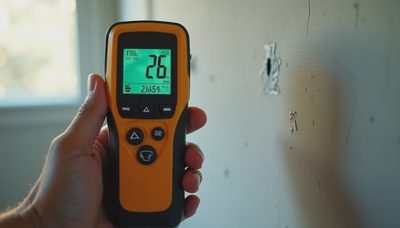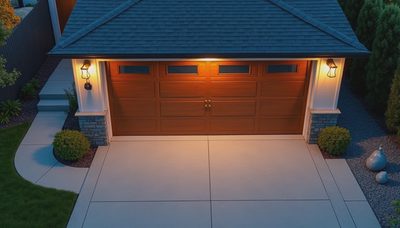
A garage door spring is a small component with an unreasonable amount of stored energy. I learned that distinction after spending 20 minutes measuring a sagging garage door and another 20 minutes convincing myself that a YouTube tutorial counted as a safety plan. It did not. If you need to change out garage door springs, the useful question is not simply whether the repair looks manageable. It is whether the spring type, door weight, tools, and safety controls justify doing it yourself.
For most homeowners, this is a professional repair. Torsion and extension springs can snap, eject hardware, or move a heavy door unexpectedly. The practical system is simple: identify the problem, keep people and pets away from the door, collect the right measurements, and get comparable quotes. Trust the tape, not your eye.
Why Garage Door Springs Fail
Garage door springs counterbalance the weight of the door. When they work correctly, a 150- to 300-pound door feels relatively light when lifted by the opener. Springs eventually lose tension, crack, rust, or break after years of repeated cycles. A typical residential spring may last roughly 7,000 to 15,000 cycles, depending on the product and usage. A family opening the door six times daily consumes more cycles than a household that parks outside most of the week.
Common warning signs include a door that slams down, rises unevenly, stops several inches above the floor, or feels dramatically heavier when disconnected from the opener by a qualified technician. You might also hear a loud bang from the garage. That sound often means the spring has broken, not that the door itself has collapsed.
Do not keep pressing the opener button to compensate. A struggling opener can overheat, strip its drive gear, or pull against a door that is no longer balanced. The repair bill can move from a spring replacement into a $400 to $900 opener or panel problem.
Torsion Springs Versus Extension Springs
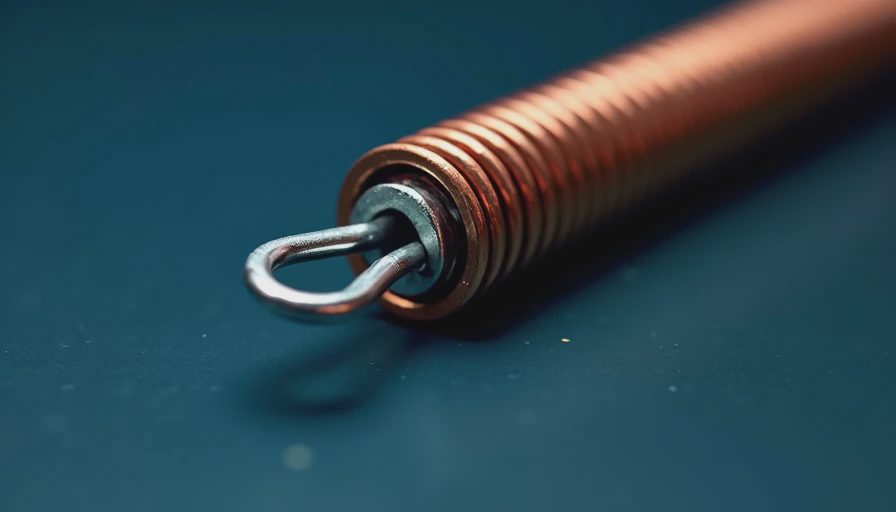
Torsion springs sit above the garage door opening on a metal shaft. They twist as the door moves and are common on newer installations, although plenty of older homes have them too. Extension springs run alongside the horizontal tracks and stretch as the door opens. They are often found on older systems and should have safety cables running through them.
The distinction matters because the parts, tools, and hazards differ. A torsion spring requires controlled unwinding and winding with proper winding bars. Improvised screwdrivers, socket extensions, or nearby household tools are not substitutes. An extension spring can also release force unexpectedly if a component breaks or the spring is not properly contained.
Before you change out garage door springs, photograph the entire assembly from several angles. Record the door width, door height, spring length when relaxed, inside diameter, wire size, shaft diameter, and the number of springs. Do not rely on color alone; manufacturers use different color codes, and old springs may be faded or painted.
The Cost of Professional Replacement
For a standard residential spring repair, a realistic service range is often about $200 to $500, including parts and labor. Double doors, unusual spring configurations, rusted hardware, high-lift tracks, and difficult access can push the total toward $600 or more. A quote should explain whether it includes both springs, bearing inspection, cable inspection, adjustment, and disposal of old parts.
One spring can fail first, but replacing a matched pair is often more economical when both springs have the same age and cycle rating. Installing one new spring beside one heavily worn spring can leave the door unbalanced. That does not mean every door needs every visible component replaced. Ask for the reason behind each line item.
A garage door company charging $275 for two standard springs, adjustment, and a short workmanship warranty is not automatically a bargain, and a $700 estimate is not automatically a scam. Compare the scope. A low quote that excludes labor, cables, or a return visit can become the expensive option by Friday.
What Homeowners Can Safely Check
You can inspect without touching the spring under tension. Look for a visible gap in a torsion spring, a loose cable, a bent track, frayed lifting cables, separated rollers, or a door panel that has shifted. Stand clear of the travel path and keep children, dogs, and vehicles away from the opening.
You can also check the opener's model number, the door manufacturer label, and the date of previous service. Do not remove spring hardware, loosen set screws, cut cables, or test a suspected broken spring by forcing the door upward. If the door is open and stuck, do not stand underneath it or attempt to release it alone.
When calling for service, describe the symptom rather than diagnosing the part. “The door is closed, the opener runs, and the door feels too heavy to lift” gives a technician useful information without encouraging a rushed parts order. Ask whether the company carries the likely spring size before scheduling.
A Better Quote Comparison Method
I use a five-line comparison sheet because garage repairs become confusing when every company uses different language. Write down the total price, number and type of springs, cycle rating, included inspections, and warranty. Then add the earliest appointment and whether the technician is licensed or insured where required locally.
The cycle rating is useful but not magical. A 25,000-cycle spring can cost more than a 10,000-cycle version, yet the upgrade may make sense for a frequently used garage. For a lightly used detached garage, the cheaper standard option may fit the actual workload. Measure use before paying for capacity you will never consume.
If a quote includes a new opener, ask why. A broken spring does not automatically mean the opener is defective. Conversely, an older chain-drive unit with a stripped gear, failing safety sensors, and no compatible replacement parts may justify a second repair while the technician is already there.
When DIY Is Not a Reasonable Savings Plan
The temptation is understandable. A spring kit may cost $50 to $150 online, while professional service costs several hundred dollars. The spreadsheet appears to show savings. It does not include a winding bar slipping, a cable coming off the drum, a damaged shaft, emergency medical care, or a door falling onto a vehicle.
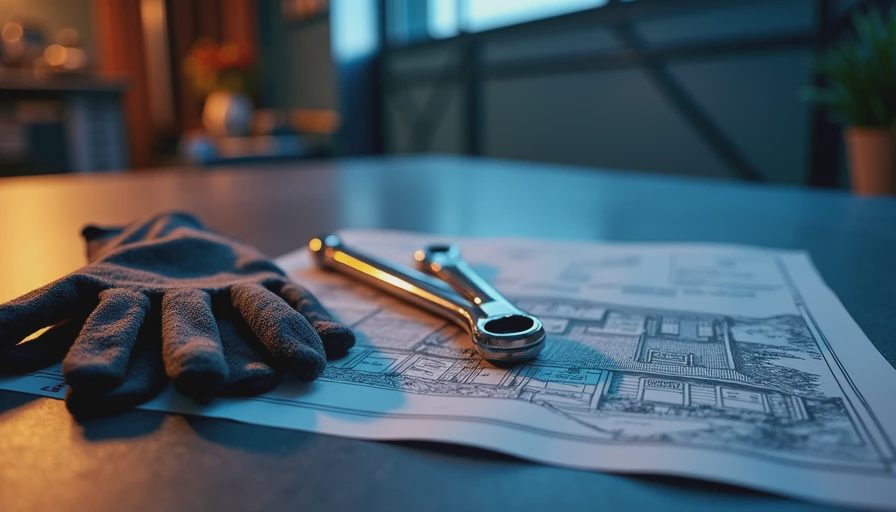
Professionals bring the correct bars, clamps, replacement hardware, and experience to balance the door after installation. They can also identify a bent track or worn end bearing that caused the original failure. If the spring is under tension, the safest DIY boundary is observation and documentation, not disassembly.
If you decide to change out garage door springs, the responsible version is hiring a qualified technician and giving them accurate measurements. If you meant to handle the project yourself, stop before touching the winding hardware and get an in-person evaluation. The goal is a working door, not a dramatic lesson in stored energy.
The Five-Minute Decision Formula
Use this formula: identify the spring type, photograph the assembly, measure the door and spring details, collect two or three itemized quotes, and compare total cost against the risk of a serious mistake. That process takes less time than repairing a damaged opener and considerably less time than explaining a garage injury to an insurance adjuster.
My final number is simple: zero hands near a spring under tension unless the person has the training, tools, and safety setup for the job. Garage doors are mechanical systems, not furniture. They do not care how confident the tutorial sounded.
A professional can usually complete the repair in one visit, test balance, reconnect the opener, and explain what failed. You get a door that closes correctly, a written price, and a garage where the dog can walk past without becoming part of the experiment. Trust the tape, not your eye.