Parging a chimney is one of those jobs that looks cosmetic until it isn't. Last fall I measured the exposed brick above our roofline — 42 inches of crumbling parging turning into spalling. Tim said the obvious: water gets in, freeze-thaw does the rest. I priced the repair, and the numbers made me stop guessing. Here's the system I used, with real costs, real materials, and the line between a weekend DIY and a fire hazard.
What Is Parging a Chimney, Actually?
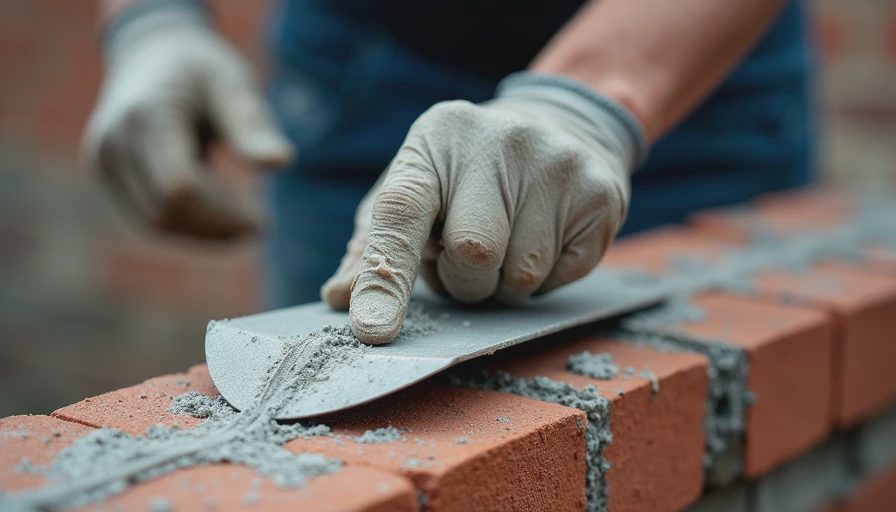
Parging is a thin mortar coat — Portland cement, lime, and sand — applied to exposed masonry. On a chimney, it's the sacrificial layer that takes the weather so the brick and joints underneath stay intact. It's not structural, but it's protective. Think of it like clear coat on a car: you don't need it to drive, but you need it to keep the paint from fading. A faded car is ugly; a water-soaked chimney is expensive.
The mortar on your chimney faces rain, snow, and a hundred freeze-thaw cycles per season. Water seeps into microcracks, freezes, expands, and pops flakes off the surface. That's spalling. Once bricks start spalling, you're not re-parging — you're repointing or rebuilding the crown. That's a bigger number.
Here's what I didn't realize at first: parging mixes vary. I bought a 40-pound bag of parging mix with a bonding agent — about $24 at the box store. The old parging on our chimney was lime-based; the new stuff is Portland-heavy. They don't always bond together, so I primed with bonding adhesive first.
Why Parging a Chimney Matters (and What Happens If You Skip It)
The math on our chimney: a 1/2-inch parging layer over 42 linear inches, about 18 inches around, gave roughly 42 square feet. Material ran close to $90 for pre-mix mortar, bonding agent, and a stiff brush. Hiring it out: $500 to $1,200 depending on scaffolding and access, from three Ohio masonry quotes.
Skip it, and water reaches the flue chase. A damaged flue liner costs $2,000 to $4,000 to replace. I've seen estimates triple because someone let the parging go five extra years. Doing this early is a rounding error vs. rebuilding later.
The Cost of Parging a Chimney: Materials vs. Labor
Access changes everything. Accessible from a flat roof or ladder: $200 to $400 in materials. That's masonry mix, mortar bag, parging compound, bonding primer, plus dry weather. Need a scaffold or boom lift? Rent pushes the project to $800 before labor.
A pro charges $600 to $1,500 for a standard chimney parging job on a one-story house. That's what my three quotes landed on. Steep roof or second story? Budget $1,800 to $2,500. The labor is worth it if you don't like ladders at 25 feet. I don't.
DIY vs. Hiring a Pro for Parging a Chimney
My split: if the parging is peeling in small patches and the chimney is under 25 feet, do it yourself. Material under $100, one weekend. Prep is the key: brush away loose material, wire-brush the brick, dampen the surface before applying. I used a $12 masonry brush and a pump sprayer. Tim was skeptical, then he wasn't.
If cracks go deeper than 1/4 inch, or the brick is already spalling, that's not a parging job — that's structural. Parging a chimney will not fix a failing crown. Call a mason. That's the 5-minute rule: if you have to think about whether it's structural, it's structural.
Parging a Chimney: The Step-by-Step Process
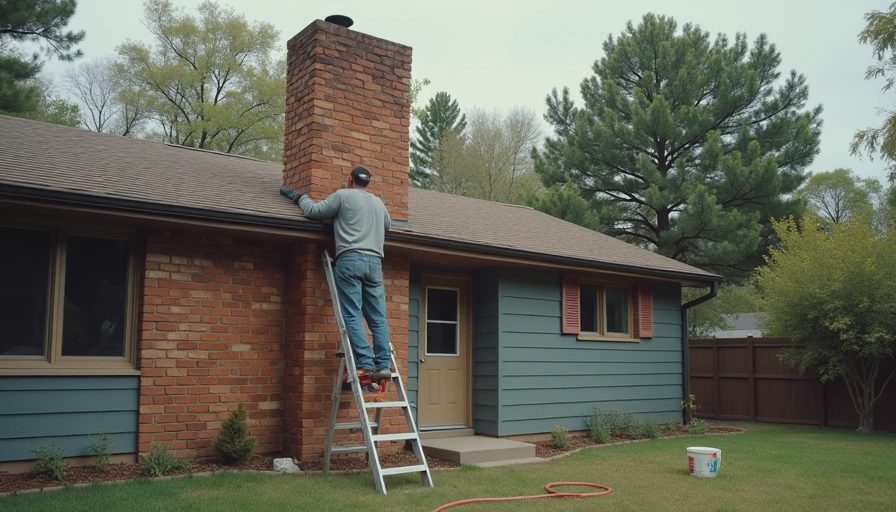
Check the forecast: 48 hours without rain, temps 50 to 80. Clean the surface: remove loose parging with a wire brush, take off efflorescence with a masonry cleaner, rinse, dry 24 hours.
Mix parging mortar to thick peanut butter — if it slumps, it's too wet. Dampen the chimney, trowel the first coat at 3/8 inch. Score it with a V-groove tool. Let set 24 hours.
Apply the second coat at 1/4 inch, finish with a wood float or sponge. Keep it damp three days, misting twice a day. That cure is what makes it strong.
Skip parging on the chimney crown. The crown needs a concrete cap with an overhang, not a parge coat. Parging the crown will crack again next winter.
When Parging Isn't the Right Fix
White flaky spots aren't always failed parging. Efflorescence — salts coming out of the brick — is a moisture problem, not a surface one. Solve the moisture first, or you're painting over a leak.
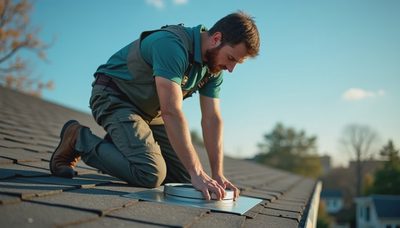
Check the flashing where the chimney meets the roof. If it's rusted or pulled away, water travels behind the parging no matter how many coats you apply. Flashing repair runs $300 to $700 and has to happen before fresh parging. I learned that after our chimney popped a second patch in one Ohio winter.
The Bottom Line
Parging a chimney is preventative, not cosmetic. Material is cheap, labor is moderate, and the payoff is decades — or at least the $4,000 you didn't spend on a flue liner. Measure the exposed surface, price materials and labor, watch the forecast. I replaced our parging two springs ago, and the chimney still looks solid every time I walk out to the garden. Then trust the tape, not your eye.



No comments yet — grab the first one.