ADT is one of those names that appears whenever you search for home security, which is useful and slightly annoying. Useful because the company has a long operating history and a broad equipment lineup. Annoying because the advertised monthly price rarely tells the whole budget story. I learned this the expensive way after comparing three security quotes with a spreadsheet that had more columns than my kitchen renovation.
For an old house, the right question is not simply whether ADT is good. It is whether the equipment, installation, contract, and monitoring cost make sense for your doors, windows, pets, wiring, and insurance policy. Trust the tape, not the eye. A charming 1920s house with one front door and twelve accessible windows needs a different setup from a newer home with a garage and a fenced yard.
What ADT Actually Includes
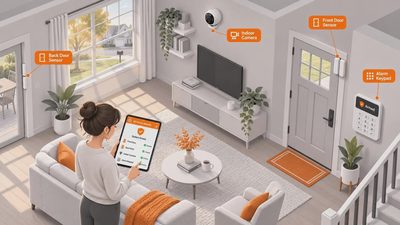
ADT generally combines professionally installed security equipment with 24/7 professional monitoring. Depending on the package and current offer, equipment can include a control panel, door and window sensors, motion detectors, glass-break sensors, smoke alarms, carbon monoxide detectors, indoor cameras, outdoor cameras, and video doorbells. The exact bundle matters more than the logo on the yard sign.
A basic system usually starts with entry points and a central keypad. That can be enough for a small house, but an older property often has unusual risk areas: a basement door hidden behind shrubs, a detached garage, or a back window with a loose sash. I would rather spend $100 to $250 on two correctly placed sensors than buy a camera aimed at a decorative hallway.
ADT may also offer smart-home integration, mobile alerts, remote arming, and video access through an app. Those features are convenient, but convenience is not the same as protection. A camera that records packages is helpful. A monitored smoke alarm that can alert a response center when everyone is asleep addresses a different, more serious problem.
ADT Costs: Build the Full Number
The cost of ADT depends on equipment, installation, monitoring, promotions, and the length of any agreement. Monthly monitoring commonly falls in the broad range of roughly $25 to $65, while equipment and installation can add several hundred dollars. Cameras and environmental sensors push the total higher. Treat any promotional quote as a starting line, not the finish line.
Here is the calculation I use:
Equipment plus installation, divided across the months you expect to stay, plus monthly monitoring, plus optional camera storage, equals the real monthly cost.
For example, suppose equipment and installation total $600, monitoring is $45 per month, and you expect to remain in the house for three years. The equipment portion is about $17 per month, making the working cost about $62 monthly before taxes or add-ons. Over 36 months, that is approximately $2,232. The number is less exciting than a low introductory price, but it is much more useful.
Ask whether installation is included, whether equipment is financed, what happens if you move, and whether early cancellation creates a remaining balance. Also ask about battery replacement, camera cloud storage, service visits, and permit fees in your local area. A salesperson should be able to explain each line without reaching for foggy language.
Choosing Sensors for an Old House
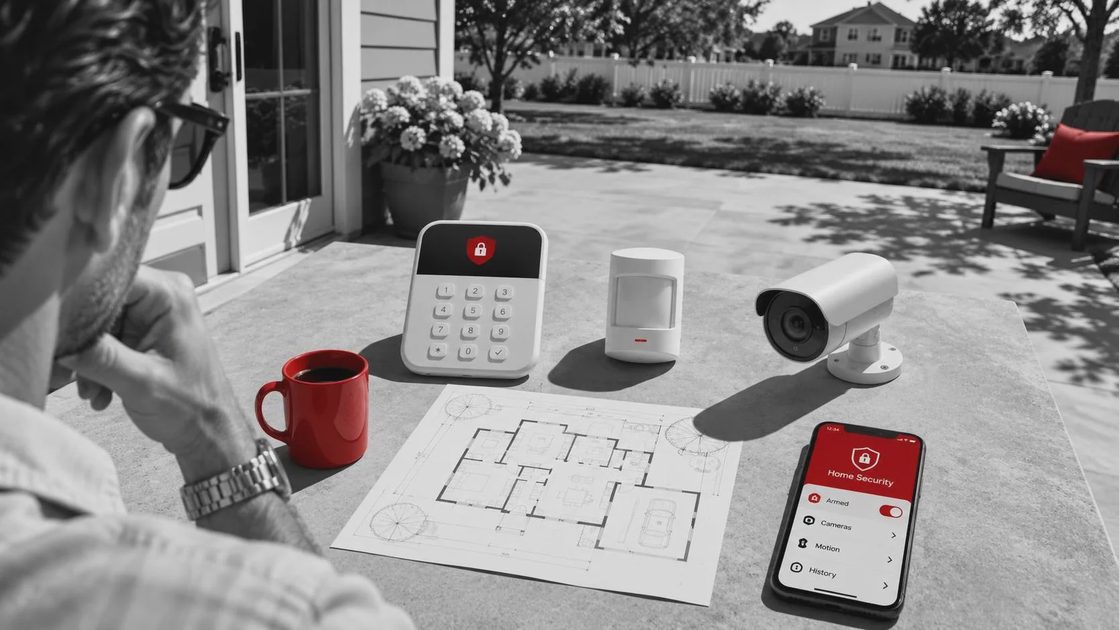
Old houses are full of false-alarm opportunities. Radiators create heat changes, drafty windows move curtains, and a golden retriever can activate a poorly positioned motion detector. Before accepting a standard package, draw a rough floor plan and mark every exterior door, ground-level window, stairway, and room containing major heating equipment.
ADT sensors should be placed according to the actual floor plan, not a sales diagram that assumes a rectangular new build. Put entry sensors on doors used after dark. Consider glass-break detection in rooms with several windows, because covering every pane individually can become expensive. Use motion detection as a second layer rather than the only layer protecting a room.
Pet owners should ask about pet-immune motion settings and the weight limit those settings are designed to handle. “Pet-friendly” is not a magic guarantee; placement and the animal’s habits still matter. My dog can ignore a closed door for eight hours, then sprint across a room because a leaf touched the porch. The system has to accommodate real behavior, not an imaginary calm dog.
ADT and Home Insurance Savings
A professionally monitored alarm system can qualify for a homeowners insurance discount with some insurers, but the amount and eligibility rules vary. Discounts are often modest compared with the total security cost, so do not buy a system solely to chase a premium reduction. A $50 monthly monitoring bill will not become a bargain because insurance saves $4 or $8 each month.
The stronger financial case is risk reduction. A monitored smoke detector may help limit fire damage by prompting faster notification. Door sensors and alarms can discourage or interrupt a break-in. Neither outcome is guaranteed, and a security system does not replace deadbolts, exterior lighting, secure windows, or a working smoke alarm on every level.
Before signing, call your insurer and ask whether ADT qualifies, whether professional monitoring is required, and what documentation the carrier needs. Some insurers want a certificate or proof of active monitoring. If you change insurers, request the discount again rather than assuming it transfers automatically.

ADT Compared With DIY Systems
A DIY system from brands such as SimpliSafe, Ring Alarm, or Abode can cost less upfront and usually offers more flexible cancellation. You install the sensors, troubleshoot the app, and decide whether to pay for professional monitoring. That model works well for a renter, a small home, or a confident homeowner with a drill and a calm relationship with Wi-Fi.
ADT is a better fit when you want someone else to plan installation, test equipment, and provide a monitoring path without turning the project into a Saturday wiring exercise. Professional installation also has value in an old house where plaster walls, thick trim, and odd door frames make adhesive placement unreliable.
The comparison is not “expensive versus cheap.” It is labor and support versus lower entry cost. Price a DIY kit, your own installation time, replacement batteries, optional cameras, and monitoring before deciding. My spreadsheet assigns my time a dollar value, because unpaid Saturday hours are still hours.
A Five-Minute ADT Buying Checklist
Before choosing ADT, complete this short audit:
- Count exterior doors, accessible windows, garage doors, and detached structures.
- Mark fire, smoke, and carbon monoxide detection gaps.
- Identify pets, radiators, fans, and other possible motion triggers.
- Request equipment, installation, monitoring, storage, taxes, and cancellation terms in writing.
- Calculate the 36-month total, not only the introductory monthly price.
- Ask your insurer about eligibility and required documentation.
- Test cellular backup, battery behavior, app alerts, and alarm response during installation.
The seventh step is where optimism meets hardware. A system that looks polished on the wall is not finished until alerts reach your phone and the monitoring center responds correctly. Ask the installer to demonstrate the process rather than accepting a verbal assurance.
My Practical Verdict on ADT
ADT can make sense for homeowners who value professional installation, ongoing monitoring, and a broad equipment ecosystem. It is especially reasonable when an old house has multiple entry points, difficult wiring, or residents who do not want to manage troubleshooting themselves. It is less compelling when you only need one door sensor and already have reliable cameras.
The decision should fit the house and the budget, not the sales script. Build the complete three-year number, map the vulnerable openings, confirm insurance requirements, and read the cancellation language. If the monthly cost still fits after those calculations, ADT is a defensible purchase. If it does not, a carefully installed DIY system can cover the same basic logic for less.
My formula is simple: protect the openings first, add fire and carbon monoxide detection, price monitoring honestly, then compare the total with your tolerance for installation work. Measure twice, sign once. Trust the tape, not your eye.