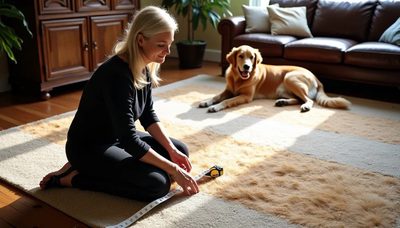
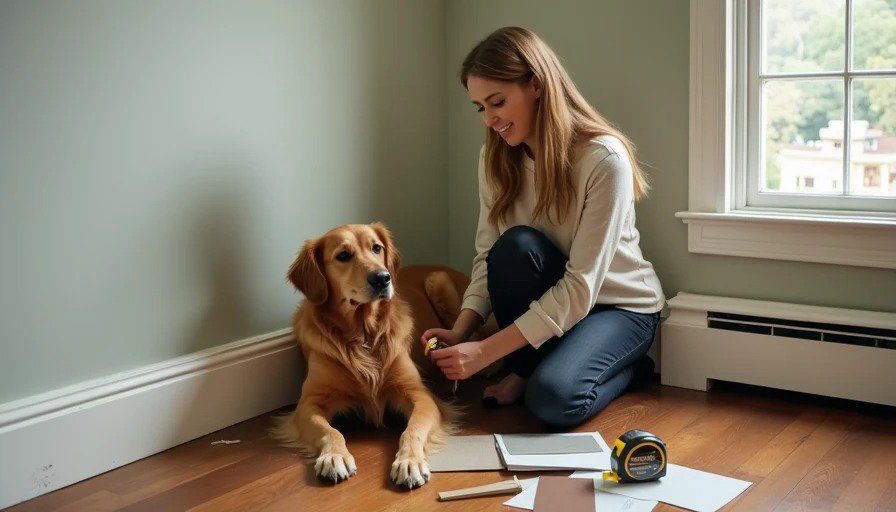
If you have a dog — especially an active golden retriever like ours — baseboards become one of the first casualties of daily life. Within months of moving into our 1920s Colonial, the lower 6 inches of our trim told the story of zoomies, playful pawing, and the occasional enthusiastic tail wag gone wrong. Traditional painted pine looked worn and sad fast. I decided to treat it as a data project rather than an endless touch-up cycle.
Over the past couple of years I’ve tested and compared four main categories of baseboard materials in high-traffic pet areas: standard MDF, solid pine/hardwood, PVC/composite, and tile/rubber options. I tracked scratch resistance through deliberate tests (and real life), cleanability with muddy paws and spills, installation effort, cost per linear foot, and how they held up over 12–18 months. Here’s the no-fluff breakdown with real numbers from our house.
Material Showdown: The Data
1. MDF (Medium-Density Fiberboard) Painted
Initial cost: $1.20–$2.00 per linear foot (materials only).
Installation difficulty: Easy for DIY — lightweight, cuts cleanly with basic tools.
Scratch resistance: Poor (score 4/10). Dog nails leave visible gouges quickly.
Cleanability: Decent if painted with high-gloss, but dents show dirt.
Long-term in pet home: Needs frequent touch-up painting. In one area it swelled slightly from a water spill near the dog bowl.
Best for: Low-traffic, low-pet areas or formal rooms the dog rarely enters.
Our verdict: Skipped for main living spaces after seeing early wear.
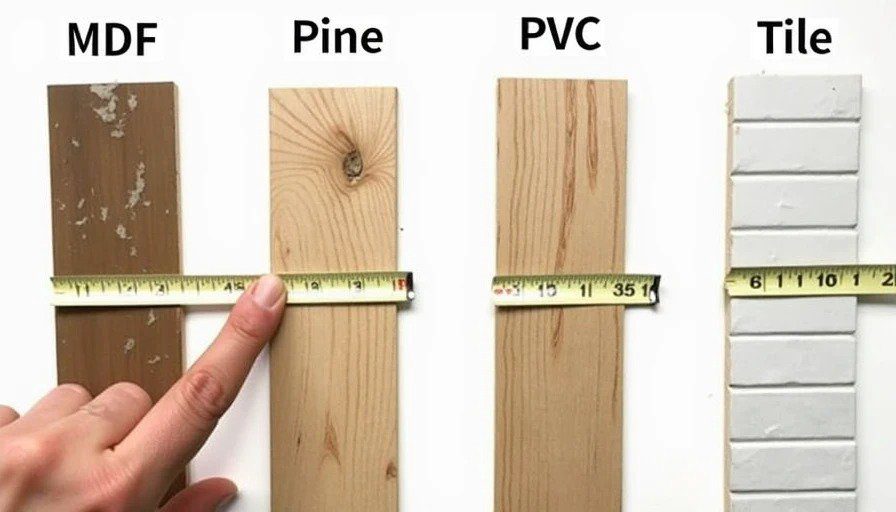
2. Solid Pine or Hardwood
Initial cost: $3.50–$8.00+ per linear foot depending on profile and finish.
Installation: Medium difficulty — heavier, requires precise mitering, and old house floors/walls are rarely perfectly straight.
Scratch resistance: Medium (6/10). Looks beautiful initially but shows every mark.
Cleanability: Good with proper paint or stain, but requires more elbow grease.
Long-term: Ages with character but demands maintenance. We kept original trim in less-used hallways where possible.
Best for: Period-appropriate aesthetics where budget and time allow ongoing care. Tim likes the traditional look, but even he agreed the dog made it impractical in the mudroom.
3. PVC or Composite Polymer Baseboards
Initial cost: $2.50–$5.00 per linear foot installed (big savings on labor for DIY).
Installation difficulty: Easy to medium. Lightweight, flexible enough for uneven old walls, cuts with standard saws, and often comes pre-primed or pre-finished.
Scratch resistance: Excellent (9/10). Our golden’s nails barely leave a trace even after repeated tests.
Cleanability: Outstanding — wipes clean with a damp cloth or mild soap. Waterproof, so mud and drool are no problem.
Long-term performance: After 14 months in high-traffic zones, they still look nearly new. Minimal color fading.
Best for: Most pet households, especially in 1920s homes with active dogs. This became our primary choice for living areas and hallways.
We installed about 180 linear feet during one refresh phase. Total material and basic tools ran under $650. Time investment: one full weekend.
4. Tile or Rubber Cove Base
Initial cost: $4.50–$9.00 per linear foot (higher for materials and adhesive).
Installation difficulty: Medium to hard — requires level surfaces, proper adhesive, and grout (for tile). Learning curve but doable with patience.
Scratch resistance: Near perfect (9.5/10). Almost indestructible.
Cleanability: Best in class — hose down or mop friendly.
Long-term: Ideal for mudrooms, kitchens, or entryways. We used a simple vinyl cove base in the dog wash station area with great results.
Best for: Wet or extremely high-abuse zones. Pairs beautifully with waterproof flooring.
Cost-Per-Linear-Foot Full Picture (Including Labor and Longevity)
I calculate total ownership cost: materials + install + expected maintenance over 5–7 years.
MDF: Low upfront but $0.80–$1.50 annual maintenance per foot in pet homes.
Pine: Medium upfront, higher ongoing.
PVC: Sweet spot — low total ownership cost.
Tile: Higher upfront but near-zero maintenance.
For our 1,200 sq ft main level, switching high-traffic baseboards to PVC saved us hundreds in future repaints and repairs.
Installation Lessons from Old Houses
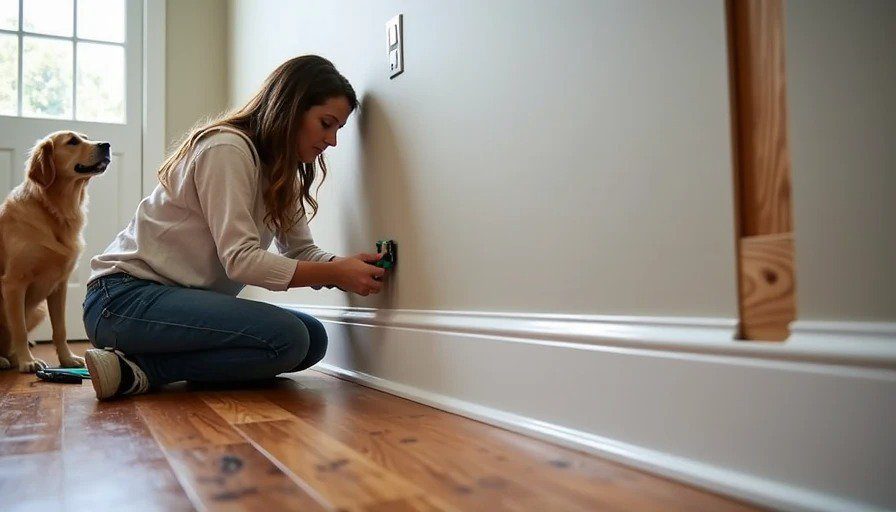
Old plaster walls and uneven floors complicate everything. Key tips:
Use a flexible PVC that can conform slightly.
Always measure multiple points along the wall — average or scribe for fit.
Secure with construction adhesive and finish nails where possible.
Caulk the top seam generously for a clean look.
Paint PVC if you want custom colors (many accept paint well).
I documented every step with my tape measure for reference. The dog “helped” by testing stability immediately after install.
Dog-Specific Considerations
Nail Maintenance: Regular trimming reduces damage across all materials, but PVC forgives more.
Height: Standard 5.5–7 inch profiles work, but taller in heavy use areas hides more.
Color Strategy: Mid-tones and subtle textures hide fur and marks better than bright white.
Transitions: Match flooring transitions carefully to avoid trip hazards.
The result? Cleaner baseboards, less stress, and a house that feels durable instead of delicate.
Broader Takeaways for Pet Owners in Old Homes
Don’t fight your dog’s energy — design around it. The right baseboards turn a constant annoyance into something you forget about. Combine with washable rugs and performance furniture for a truly livable space.
Tim was skeptical about “plastic baseboards” at first, but after seeing the zero-maintenance reality he’s converted. The data won again.
We still have some original trim in low-use areas for character, but the practical zones are now pet-proofed. It’s one of those unsexy upgrades that improves daily life dramatically.
If you’re battling scratched baseboards, start with samples. Test with your actual dog. Measure your linear footage accurately. The investment pays back in time and sanity.
Next up in the Dog-Proof series: more on flooring and upholstery combinations that work together.
Trust the tape, not your eye — and definitely not the pretty catalog photos.