Two years ago I bought my first set of pruning shears & loppers for $34 at the big box store. They were garbage. The shears crushed stems instead of slicing them, and the loppers couldn't get through a branch thicker than my thumb. I learned the hard way that cutting tools are a buy-once-or-buy-twice proposition. Here's the system I use now, with the numbers to back it up.
Nobody wants to drop $100 on a tool they'll use six weekends a year. I get it. But my grandmother's rule — buy the cheapest tool and you'll buy it twice — holds up even when you're just trimming nine perennials around the foundation of a 1920s house. Cheap bypass pruners start around $15. A solid pair from Felco runs $55 to $75. The difference isn't just steel quality; it's how cleanly the blades cut a half-inch rose cane without mashing it into pulp. Pulp invites disease, which means more dead branches, which means more cutting. That's a hidden cost.
The same logic applies to loppers. Nineteen-dollar loppers from the hardware aisle have stamped steel blades and hollow handles. They'll handle fresh growth, but they flex, bind, and leave ragged cuts on anything with a little wood. A mid-range pair from Fiskars or Corona — with forged blades and aluminum handles — sits between $35 and $60 and will cut through a two-inch branch like it's a soft pretzel. In fact, for a two-year-old hydrangea that hasn't seen a pruner in a decade, a decent pair of loppers is the difference between a clean cut and a crushed, ragged break that takes another growing season to heal.
Bypass vs. Anvil: What I Wish Someone Had Explained
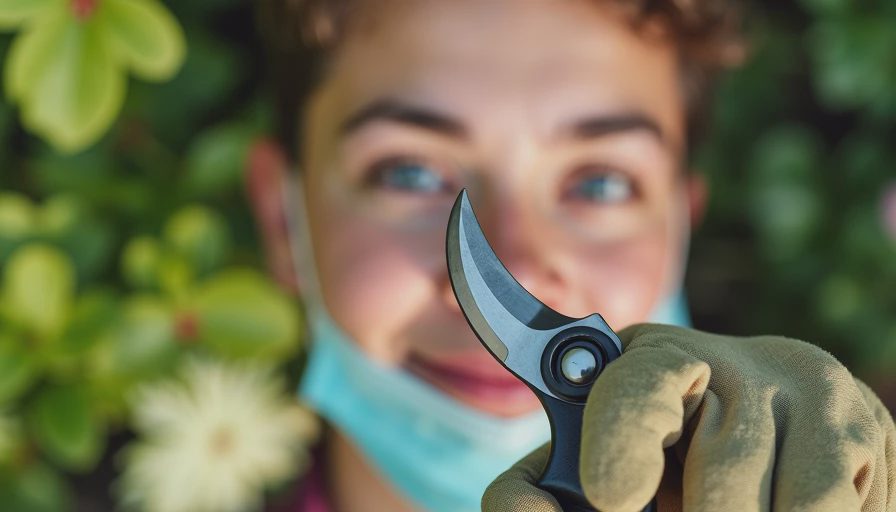
Most beginners look at pruning shears & loppers and see the same shape. The difference is in the blade configuration. Bypass blades curve past each other like scissors. Anvil blades smash the branch against a flat plate. For live wood, you want bypass. Anvil tools are for dead wood and dry twigs — they crush living tissue and make it harder for the plant to callus over. My $34 mistake was actually an anvil set. It was cheaper to make, which is why it was on the clearance rack. Now I look for the word "bypass" on the packaging before I even check the price.
What I Learned After Buying the Wrong Pruning Shears & Loppers Twice
Here's the part I don't advertise on Instagram. I didn't learn this in one season. The first pruning shears & loppers I bought were cheap anvil style. I replaced them after three weekends. The second set was a mid-priced bypass pair from a brand I'd never heard of. They lasted a year before the spring on the safety latch broke. The lesson wasn't to spend more up front. It was to check three things: replacement parts availability, blade material, and the warranty. Felco sells every blade and spring individually. Fiskars has a lifetime warranty on many tools, no receipt needed. That's more valuable than a name you recognize.
My Current Picks: The Tools That Earn Their Spot in the Shed
If you want me to skip the math and tell you what to buy, here it is. For most gardeners with a small yard, I recommend Felco 2 manual pruners at around $65. They're a Swiss standard for a reason — cast aluminum handles, replaceable blades, and a wire cutter built into the base. For loppers, the Fiskars 3-Blade Bypass Loppers (about $45) use a gear mechanism to multiply your cutting force. I've watched Tim, who lifts weights, use a cheaper pair and still struggle with a two-inch branch; the Fiskars cuts it clean with one squeeze. If you want a single tool to do both jobs, the Corona Max Cut set with two shears and one lopper runs about $60 for the set. It's not as fine as the Felco, but it's the best value I've found.
A Maintenance Routine That Doubles Tool Life
Shears and loppers are like any other old-house tool: they need a minute of care after every use. I keep a tin of Camellia oil and a sharpening stone on the same shelf as the tools. After each session, I wipe the blades with an oily rag, tighten the pivot bolt, and store them hanging with the blades closed. Twice a year I run the sharpening stone along the bevel — ten passes, at about 20 degrees. That's it. My second pair of Felcos has been going for three seasons, and they still cut as cleanly as the day they arrived.
What to Skip: Three Things I Wish I Never Bought
First, anvil pruners for anything that's alive. I already covered that, but it deserves a second mention because Home Depot still sells them next to the bypass models, and they're tempting at $12. Second, cheap ratchet loppers with plastic gears. The ratchet mechanism can multiply force, but the gears strip on the third branch. I snapped the handle on a pair from a no-name brand after two uses. Third, the 3-in-1 tool that claims to be shears, loppers, and a saw. It does all three badly and weighs as much as a cast-iron skillet. By the time I threw it in the giveaway pile, I had spent more on replacements than a proper set would have cost.
The Bottom Line on Pruning Shears & Loppers
Here's the formula. If you're only going to trim hydrangeas and roses, you can get away with one decent pair of bypass pruners in the $30-$50 range. Add a pair of loppers if you have trees or overgrown bushes, and skip anything with an anvil blade. Budget for one sharpening stone and oil. Total cost: $70 to $120. That's less than a single emergency trip to the tree service, and the plants heal faster, which means fewer dead branches and less work next spring. Trust the tape, not your eye.