Pest Control in Home: A Practical Guide to Keeping Unwanted Guests Out
I once spent a week trying to figure out where an ant trail was coming from. Turns out, it was a pinhole-sized gap near the baseboard I'd missed during caulking. That incident cost me about $12 in ant traps and a lot of frustration. Since then, I've treated pest control in home like any other renovation problem — measure the gaps, track the evidence, and apply the cheapest solution that actually works.
Most pest infestations start small. You see one cockroach, maybe a couple of ants. But by the time you notice them, they've already got a highway mapped out. The key to effective pest control in home is addressing the root cause: how are they getting in? And how do you stop them without turning your house into a chemical lab?
The First Line of Defense: Sealing Entry Points
I pulled out my vintage tape measure (yes, it makes an appearance) and started measuring gaps around my 1920s foundation. The average gap under a door? About 1/4 inch — enough for mice, ants, and spiders. My front door had a 3/8-inch gap. That's a freeway. I installed a door sweep for $9. Problem solved, no poison required.
Here's the data: a tube of general-purpose caulk costs $6. A roll of copper mesh or steel wool is about $4. For $10 you can seal 90% of common entry points — around pipes, vents, windows, and baseboards. I also use expandable foam for larger gaps around plumbing penetrations. One can costs $8 and seals gaps up to 1 inch wide. Foam is messy, but it works.
My golden retriever (name still TBD — analysis pending) loves to nudge under the back door. I added a bristle sweep that adjusts to uneven floors. Cost: $15. No more leaves, no more bugs. If you're renting, most sweeps attach with screws or adhesive, and you can take them off when you move. Landlord-approved.
Choosing the Right Trap for the Job
I'm not one for chemical sprays unless absolutely necessary. My rule: start with the least toxic option and escalate only if it fails. For ants, I use gel baits — they eat it, take it back to the nest, and the colony dies. A three-pack costs $7 and lasts two months. Compare that to a spray that costs $6 and just kills the ants you see (25% of the colony, maybe). The bait is more effective because it targets the source.
For cockroaches, sticky traps are my go-to. Place them along baseboards where you've seen droppings. They cost $2 per pack of 4. The data is immediate: you'll see exactly what type of pest and how many. I've caught silverfish, spiders, and even a mouse on one. It's gross but informative.
Mice: snap traps in covered bait stations. I buy the kind that look like little black boxes — $4 each. Peanut butter is the best bait; I've researched it. Chocolate spread works too. Avoid poison bait outside if you have pets or neighborhood cats. A dead mouse in the wall smells worse than any pest problem.
If you're dealing with pantry pests — weevils, moths — throw out infested food immediately and store new items in glass or plastic airtight containers. I use 1-quart mason jars for flour and sugar. They cost about $12 for a set of 6. That's cheaper than replacing an entire pantry of contaminated food.
When to Call a Professional
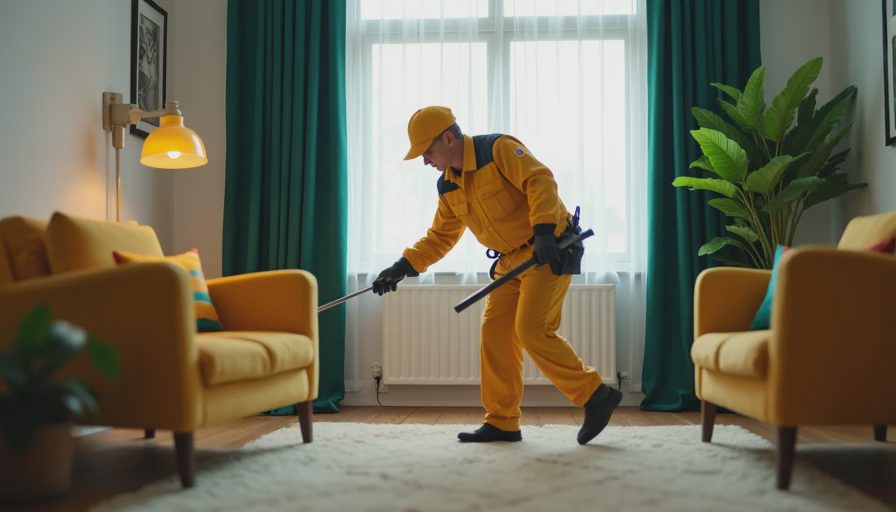
I've handled 90% of my pest issues myself. But there are two situations where I pick up the phone: termites and bed bugs. Termite treatment is not a DIY project — the chemicals and techniques require training and equipment. A soil treatment costs $300–$500 (one time), while ignoring them leads to structural damage starting around $3,000. Bed bugs are the same — they spread fast and are notoriously hard to eliminate. A professional heat treatment runs $1,000–$2,500 for a whole home. That's steep, but the alternative is months of bites and possible re-infestation.
For everything else — ants, roaches, spiders, mice — I've found that consistent sealing and maintenance beats any pest control service subscription. A typical quarterly service costs $150–$200, and they'll do exactly what I'm doing: inspect, seal, set traps. I'd rather spend that money on new door sweeps and caulk.
A Seasonal Approach to Pest Control in Home
Pest activity shifts with the seasons, so adjusting your pest control in home strategy can save time and money. In spring, focus on ants and termites: inspect the foundation for mud tubes and keep mulch away from the house. Replace worn door sweeps before the ants find their way in. Last April, I noticed a trail near the back door. A $4 tube of caulk sealed a half-inch gap in five minutes. Summer brings wasps and flies — check eaves for nests and install screens on vents. I check my porch overhang weekly and knock down small nests with a long broom. Fall is peak time for mice and spiders; seal gaps around pipes and windows before temperatures drop. I once found droppings in the garage and set three snap traps ($12) plus a new door sweep ($10). Winter pests like cockroaches and silverfish thrive in warm basements and attics — vacuum regularly and run a dehumidifier to reduce moisture. The electricity cost is about $15 monthly, far less than a pest control service. By following this seasonal rhythm for pest control in home, you reduce the chance of major infestations without monthly chemical treatments. A simple calendar reminder (free on your phone) takes five minutes to set and can prevent hundreds of dollars in damage.
My last tip: keep a simple log. Every time I see a pest, I write down the date, species, and where I saw it. After a few months, patterns emerge. The ants came in April? That's when I reapply caulk around the windows. The spiders show up in September? I clean the corners and re-stick the glue traps before they invade. That log cost me $1 for a notebook, and it's saved me hundreds in repeat pest control in home visits.
Trust the data, not the panic. Most pest problems are solved with $20 and a little patience.




No comments yet — grab the first one.