Last spring I spent an afternoon installing cheap plastic edging around my front garden bed. Three months later it looked like a melted accordion — warped from Ohio sun and nudged out of place by my golden retriever's daily patrol. I ripped it out and did what I should have done first: I bought landscaping edging bricks. Real ones. The kind that stay where you put them.
If you're looking for landscaping edging bricks, you're probably tired of flimsy alternatives that shift after one rainstorm. I don't blame you. I've tried six different edging materials in my three fixer-uppers, and bricks are the only ones that survived dog traffic, snow plow runoff, and my own impatience. Let me walk you through the numbers — cost per linear foot, installation time, and which ones actually work on sloped or curved beds.
Why Bricks Beat Other Edging Materials
Plastic edging is cheap — around $0.50 per foot at the big box stores. But I replaced it twice in two years, so my true cost was $1 per foot plus labor. Landscaping edging bricks run $2 to $6 per linear foot depending on material, but they last decades. That's a 3x upfront cost but a 10x lifespan. My house was built in 1920; the original brick edging in the back garden is still holding.
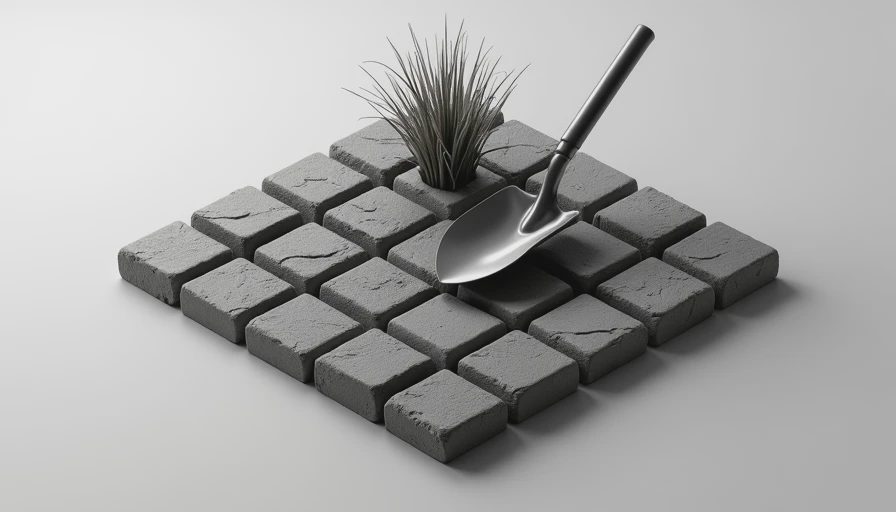
Concrete edging blocks are the most common. A standard 4x8 brick costs about $0.75 each, and you need roughly two per linear foot for a single row. That's $1.50 per foot for concrete. Clay bricks are pricier — $1.20 each — but they resist freeze-thaw cycles better in cold climates.
Then there's stone. Natural stone edging bricks can run $5–$10 per foot installed. Gorgeous, but I only use them for accent sections. Tim pointed out that stone varies in thickness, so you have to level each piece individually — add an hour per 10 feet.
The Three Types I Actually Recommend
After three yards and four dogs (well, one dog with a lot of opinions), I've settled on these categories:
1. Concrete Edging Bricks
Best for straight, formal borders. I used these on my 1940s house and they're still flush five years later. You want interlocking paver-style bricks — the beveled edge helps installation. Cost: $1.50–$2.50 per linear foot. Time: about 15 minutes per linear foot for a DIY install.
2. Clay Pavers
Clay landscaping edging bricks come in warm terra-cotta tones that look natural with most plantings. I chose these for my current house because the red matches the brick foundation. One downside: they absorb moisture, so in freeze-thaw zones you need a proper gravel base. Expect to spend $2.50–$3.50 per foot.
3. Rubber Edging Bricks
Not strictly bricks, but rubber "bricks" made from recycled tires are a good option if you have kids or heavy foot traffic. They're soft, so they won't crack, but they also don't look as crisp. I use them in the back where the dog runs. Cost: $2–$4 per foot.
How to Install Landscaping Edging Bricks Without Regret
Skip the "just dig a trench" advice. That works for plastic but not for bricks. Here's my process:
- Mark your border with spray paint.
- Dig a trench 6 inches deep and 8 inches wide.
- Fill with 2 inches of crushed gravel. Tamp it down.
- Add 1 inch of sand. Level it with a straight board.
- Lay each brick snug against its neighbor. Use a rubber mallet.
- Check level every 3 feet.
- Backfill with soil and tamp again.
Tim made me buy a hand tamper ($25 at Harbor Freight). Worth every penny. If you skip the base, your landscaping edging bricks will settle unevenly after one winter. I learned that on my first house — one corner sank 2 inches by spring.
Maintenance Makes a Difference
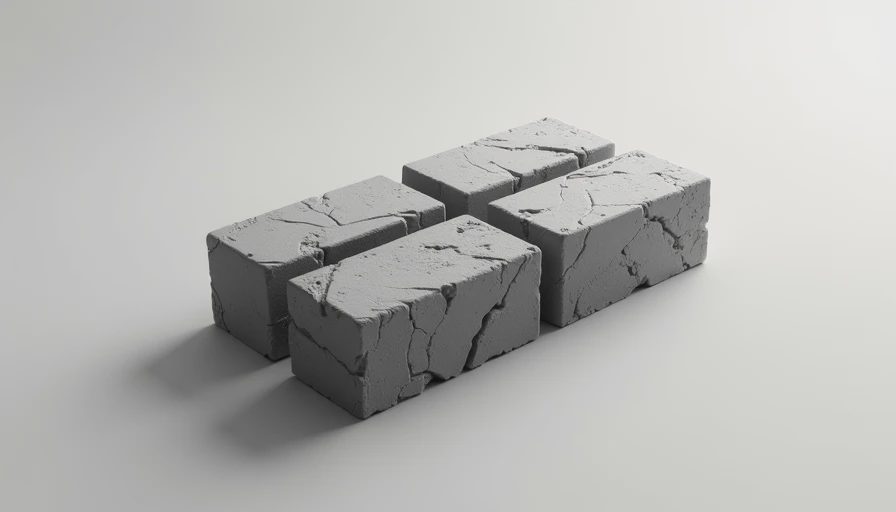
I sweep sand into the joints once a year, same as I do with my patio. That keeps weeds out and locks the bricks in place. If a brick cracks, pry it out and drop in a replacement. Keep a few extra bricks from your original batch — you'll thank me later.
A pressure washer will erode the sand, so I use a stiff broom and water from a hose. Weed killer? I skip it. The dog licks everything.
Final Number Crunch
For a 100-foot border, you'll need about 200 bricks. At $1.50 each for concrete, that's $300 in materials. Add $40 for gravel and sand. Total: $340 and a weekend. Compare to hiring a pro — $800 to $1,200 — and you save $500 easy.
Curved borders? Use smaller bricks or cut concrete bricks with a brick splitter (rent one for $40). I did a curved bed around a tree and wished I'd bought wedge-shaped edging bricks — they eliminate gaps. It's a detail you only learn after redoing a section.
Trust the tape, not your eye. Measure your bed length twice before you order. I once overestimated by 15 feet and had a pile of landscaping edging bricks sitting in my driveway for two months. Tim still brings it up.
If you pick the right landscaping edging bricks and install them with a proper base, you'll have a crisp border that outlasts your dog, your next reno, and probably your current car.




No comments yet — grab the first one.