
The first time I saw a hole in ac condenser equipment, I did the usual homeowner thing — stared at it, made up three worst-case stories, and delayed action until the house got sticky. Bad plan. If your outdoor unit has a puncture, the problem is usually bigger than the hole itself. The condenser is where your system dumps heat, so damage there can mean refrigerant loss, higher bills, weak cooling, and a compressor that works too hard for too long. Trust the tape, not your eye: if the metal is open to the weather, the clock is already running.
What makes this tricky is that not every dent is a disaster. A bent guard or a mashed top panel is annoying. A puncture in the coil tubing is a real leak. That difference matters because one can be cosmetic and the other can turn into a $200 service call or a $4,000 replacement decision, depending on age and access.
What a hole in ac condenser actually means
A lot of people use the word condenser to describe the whole outdoor box, but the part that usually matters is the coil inside it. That coil is full of refrigerant. If it has a hole, refrigerant can escape, pressures drop, and the system starts behaving badly. Common signs are warm air from the vents, longer run times, ice on the refrigerant line, hissing near the unit, or an oily stain around the damage.
A hole in the sheet-metal cabinet is different. That can let rain, leaves, and rust in, but it does not always mean refrigerant has leaked. I learned that distinction the expensive way on a rental years ago — the panel looked awful, but the actual leak was a tiny puncture lower in the coil. One unnecessary assumption later, I was out a service fee and a little dignity. The repair tech found the real problem in about 10 minutes with a flashlight and a pressure test.
If you see exposed copper, sharp fins, or a dent that lines up with a gas leak smell, treat it like a real system issue, not a cosmetic one.
The first 20 minutes after you notice it
Turn the system off first. That sounds dramatic, but running an AC with a refrigerant leak can overwork the compressor, and that is the expensive part you do not want to gamble with. Shut it down at the thermostat, then switch the breaker if you know which one feeds the outdoor unit. After that, take photos from a few angles, including the serial plate, the full cabinet, and the damage close up.
Then do a quick, calm inspection. Look for ice, oil, bent tubing, or anything that suggests the unit got hit by a mower, ladder, branch, or weed trimmer. If the hole is small and in the metal housing, do not jam caulk or tape into it and call it fixed. That is a temporary weather patch at best. If the hole is in the refrigerant path, a tech needs to recover the refrigerant, repair the leak, pressure-test the system, and recharge it to the correct specification.
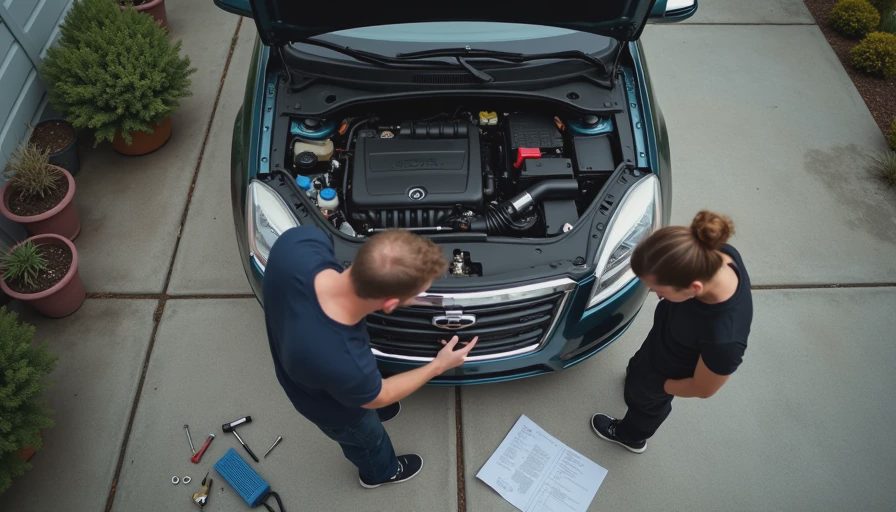
If you want a useful service call, be ready with the basics: unit age, brand, whether cooling still works at all, and whether you noticed any storm, impact, or rust. That saves the tech time and usually saves you a little money too.
When a hole in ac condenser is a repair, not a replacement
This is where the numbers do the talking. A simple diagnostic visit often lands around $75 to $150. A small leak repair with refrigerant recovery, brazing, and recharge can land somewhere around $200 to $600 if the damage is reachable and the coil is still in decent shape. Coil replacement is a different animal — often $800 to $2,000 or more once labor and refrigerant are included. A full outdoor condenser replacement can run $3,500 to $7,500+ for many homes, depending on size, efficiency, brand, and install conditions.
So when is repair still sensible? When the system is fairly new, the puncture is isolated, and the unit has a clean service history. When does replacement start winning? When the equipment is 10 to 15 years old, the refrigerant type is obsolete or expensive to source, or the leak shows up with other problems like loud startup, weak airflow, or rust around the base pan. I am suspicious of any repair that costs more than about half of a new unit on older equipment — that is usually the point where the math stops pretending.
One more practical note: if the damage is in the coil and not the casing, patching compound is rarely a real solution. Good HVAC work is about pressure, not hope.
Insurance, documentation, and the paperwork people forget
A hole in ac condenser equipment is usually a maintenance problem, not an insurance event. But if a branch fell on it, hail punched it, or someone damaged it on purpose, your homeowners policy might matter. The trick is documentation. Take photos before anything is moved. Save the repair estimate. Keep the model and serial number. If the tech says the leak came from corrosion or wear, that is useful too — insurance companies care a lot about sudden damage versus slow decline.
This is also where people lose time by not asking the right question: was the damage external and sudden, or did the unit fail because it aged out? That answer shapes the claim. If the outdoor cabinet has impact marks, a bent top, or a fresh branch gouge, mention those details plainly. If the unit is just old and tired, it is better to plan the replacement budget than to assume coverage will solve it. Homeowners policies are not designed to pay for routine wear.

How to keep the next one from happening
Most condenser damage is preventable with boring habits, which is my favorite kind of home maintenance because boring is cheaper. Keep at least 2 to 3 feet of clearance around the unit so the coil can breathe and service techs can reach it without contortions. Trim shrubs before they touch the cabinet. Do not store bikes, lumber, or lawn tools against the side of the unit. If you use a string trimmer, keep the head away from the metal base and the copper lines — one careless pass can nick fins or tubing.
I also like a simple seasonal check: after spring storms, walk the unit, look for rust streaks, check that the pad is level, and make sure leaves are not packed into the fins. A gentle hose rinse on the outside of the coil is fine; a pressure washer is not. If you want the low-drama version of HVAC ownership, pay for annual maintenance once a year — usually around $120 to $250 — and ask the tech to flag corrosion before it becomes a leak.
The formula I use is simple: if the unit is young, the hole is isolated, and the repair stays well below half the replacement cost, fix it. If the system is older, leaky, or already limping, stop feeding it money and price a new one. That is the same logic I use on bad furniture, bad rugs, and yes, a hole in ac condenser equipment. Trust the tape, not your eye.