The cost of shingles is the number I wish more people wrote down before they let a roofer climb the ladder. I learned that the hard way with an old house and a bid that looked tidy until the tear-off line appeared - like buying a sofa and then discovering the delivery fee was the price of the sofa again. If you want a sane roof budget, you need the shingle type, the roof size, and the ugly little extras that show up after the first quote.
For a lot of homeowners, the first surprise is that shingles are only part of the roof bill. Underlayment, drip edge, flashing, ridge cap, nails, labor, disposal, and a few sheets of rotten decking can move the total faster than you expect. Tim says roofs are just spreadsheets with weather on top. He is annoying. He is also right.
What drives the cost of shingles
Roofers usually price by square, and one square equals 100 square feet of roof area. That sounds simple until you remember the roof is not the footprint of the house. Pitch, hips, valleys, dormers, and waste all add material. A steep roof needs more time and more safety setup. A cut-up roof needs more labor and more trim pieces. If your house is an old one with a weird porch tie-in, you already know the drill - the easiest-looking roof is often the one with the fewest corners.
The cost of shingles also changes when the old layer comes off. Tear-off and disposal can add a few hundred dollars on a small roof and several thousand on a larger one. If the decking underneath is soft, expect extra labor plus new plywood or OSB, often priced by sheet. That is not a scam. That is what keeps water from turning your attic into a science project.
Material choice matters too. Basic asphalt is still the budget leader. Architectural shingles cost more up front, but they usually look better, last longer, and come with stronger warranties. Brands like GAF, CertainTeed, and Owens Corning all sell into that midrange, so the real comparison is often between product line and installer, not logo alone.
The cost of shingles by type
If you want the short version, three-tab asphalt is the cheapest common option, and architectural asphalt is the sweet spot for most homes. Three-tab shingles often run about $90 to $120 per square for materials, while architectural shingles land closer to $110 to $180 per square. Installed, the gap is wider because the better product usually gets paired with a better system - ridge caps, starter strips, and a more careful install.
The cost of shingles climbs when you leave basic asphalt. Designer or premium asphalt shingles can run roughly $180 to $300 per square in materials, and installed pricing can push into the $9 to $14 per square foot range. Wood shakes are more expensive still, partly because they need more skill and more maintenance. Synthetic or composite products usually sit above standard asphalt and below the exotic stuff, which is why they show up on the quotes people compare for historic houses.
I am boring on purpose here. If a bid is wildly cheaper than the others, the material line is usually thinner, the tear-off assumption is friendlier, or the installer is skipping details you will pay for later. Trust the tape, not your eye.
A sample roof budget you can sanity-check
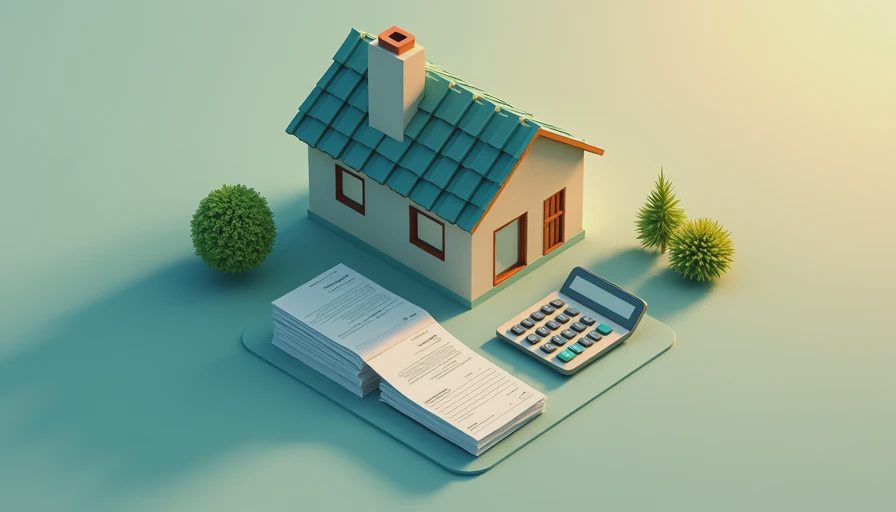
Here is the math I use when a quote lands in my inbox and my first instinct is to stare at the ceiling. Say a roof measures 1,500 square feet of actual roof surface. Divide by 100 and you have 15 squares. Add a waste factor of 10 percent to 15 percent, because cuts happen and roofs are not built from perfect rectangles. Now price the shingles at the middle of the market - not the bargain bin, not the luxury aisle.
For a standard roof like that, the cost of shingles alone can land somewhere around $1,800 to $3,500 for architectural asphalt, depending on brand and local supply. Once you add tear-off, underlayment, flashing, ridge vents, labor, and disposal, the installed total can easily reach $8,000 to $15,000 for a typical mid-sized home. A steep or complicated roof can run higher. A simple ranch with easy access can come in lower. That spread is why one quote can look wildly different from the next without either roofer being dishonest.
If your bid does not separate materials from labor, ask for it. If it does not mention new flashing around chimneys, valleys, and wall intersections, ask again. Those are the details that decide whether a roof feels expensive now or cheap in five years.
What to ask when a bid lands in your inbox
Start with the product name and the warranty, not just the color. Ask whether the quote includes tear-off of all existing layers, ice and water shield in the right areas, synthetic underlayment, new flashing, ridge vent work, and cleanup. The good bids read like a scope of work. The lazy bids read like a dare.
You also want to know whether the crew will replace damaged decking and how they charge for it. Some contractors quote a flat allowance per sheet. Others charge by the sheet once they open the roof. Either can be fine if it is written down. The problem is not variation. The problem is surprise.
This is also where the cost of shingles gets distorted by financing tricks. A low monthly payment sounds nice, but it can hide a bigger total. I would rather see a clear cash price and then decide whether financing actually helps. Old houses already have enough drama. You do not need a roof bill with a plot twist.
Where to save without wrecking the roof
The easiest place to save is usually the material tier, not the labor quality. A well-installed midrange architectural shingle will beat a premium shingle installed badly every single time. If your house is not especially visible from the street, you may not need the fanciest line on the supplier rack. Paying for a trusted crew, proper flashing, and clean ventilation is a better use of money than chasing a brochure photo.
You can also save by timing the job well. Roofers are busier after storm season and after heavy spring rain, so scheduling in a less frantic stretch sometimes helps. Getting three written bids still matters. I know that is tedious. I hate it too. But one contractor might include all the trim pieces while another leaves half of them as add-ons, and the cheapest quote is not really the cheapest quote if the line items are missing.
When the cost of shingles starts climbing, I think in layers. First layer - the product. Second layer - the installer. Third layer - the roof geometry. If two of those are solid, the roof is usually worth the money.
A simple formula for deciding
My rule is not elegant. It is just useful. Take the roof size, convert it to squares, choose a realistic middle-range material, then add 20 percent for tear-off, flashing, ventilation, disposal, and the usual small surprises that old houses collect like fridge magnets. If the final number still fits your budget, move forward. If it does not, simplify the material choice before you cut corners on installation.
That is how I look at the cost of shingles now - not as a mystery number, but as a stack of decisions with a few predictable penalties. If you want a roof that lasts, compare bids line by line, ask what is included, and trust the tape, not your eye.