Repairing soffit is not glamorous. I once spent 45 minutes in Home Depot comparing two trash cans and still bought the wrong screws for a different project, so yes, I understand the urge to ignore a peeling eave and hope it behaves. It usually does not. My rule is simple: identify the material, find the moisture source, and fix the smallest damaged section first. That keeps a simple job in the $75 to $300 range instead of turning one loose panel into a fascia replacement and a new afternoon problem.
Why the soffit matters more than it looks
The soffit is the underside of the roof overhang, and it does more than hide framing. It helps protect rafters from water, keeps insects and small animals out, and, when it is vented, it helps attic air move the way it is supposed to. When repairing soffit, you are really protecting the edge of the house from three expensive things: moisture, pests, and trapped heat. A soffit that looks a little ugly is one issue. A soffit that is soft, stained, or sagging is a clue that something behind it has been wet for a while.
On old houses, the problem is often not the soffit panel itself. It is a clogged gutter, a leak at the roof edge, a bath fan dumping humid air into the attic, or fascia wood that started rotting before the soffit gave up. I treat the cosmetic damage like the dashboard light, not the actual problem. If the wood around the opening feels spongy, or if you can see daylight in places that should be sealed, the repair needs to be more than a quick nail-and-caulk patch.
Find the real damage before you buy parts
Before repairing soffit, stand back from the house and look at the whole roof edge. I use a flashlight from the attic side, because stains, mold, and rusty fasteners show up faster from inside than from the ladder. Check whether the damage is isolated to one bay or spread across several. If the soffit panel is dented but the fascia is solid, that is a different job than a corner where the trim is soft enough to poke with a screwdriver.
This is also the moment to figure out the material. Vinyl soffit is light and common, but it can crack in cold weather and often comes in panels that interlock. Aluminum is tougher, but it dents and can be annoying to match if the profile is older. Wood looks traditional, which is why old-house people love it, but any rot near a seam means you need to cut back to sound material. If the opening is vented, do not block the vent slots with filler or paint. Airflow matters more than a perfectly smooth finish.
Choose the repair that matches the material
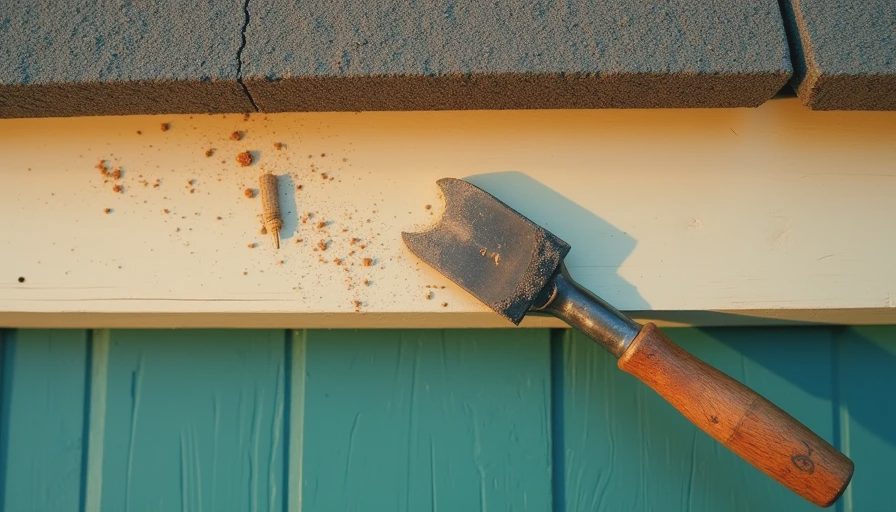
For aluminum, repairing soffit often means replacing one section and reusing the channels if they are straight. For vinyl, the trick is usually unclipping the damaged piece without cracking the neighboring panel. Warm weather helps, and so does patience. For wood, I use exterior primer on every cut edge before installation, because bare end grain drinks water like a sponge. Small rot can sometimes be stabilized with epoxy filler, but if more than about a third of the board is gone, replacement is cheaper than pretending otherwise.
My shopping list for a small repair is never fancy: replacement panel or board, exterior primer, paint, exterior-grade caulk, corrosion-resistant fasteners, and a blade that actually cuts the material cleanly. Depending on the size of the opening, materials usually land somewhere between $20 and $120. If you need to buy a new ladder, that is not a soffit cost anymore; that is a life decision.
The small-job repair that actually works
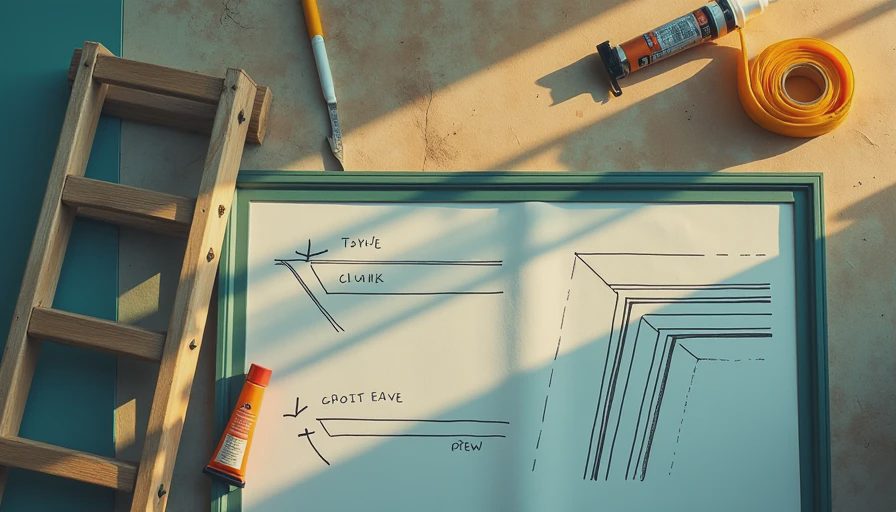
The actual repairing soffit process is boring, which is why it works. Start by stabilizing the area with a ladder on flat ground and a helper if the edge is more than one story up. Remove the loose trim or channel only as far as you need to reach the bad section. Measure twice, then cut the replacement piece about 1/8 inch short so expansion does not buckle it later. Fit it into the existing track or against the framing, fasten it loosely, and check that the vent pattern lines up with the original opening.
If you are patching wood, prime the back, front, and cut edges before it goes up. If you are patching vinyl or aluminum, do not overdrive the fasteners; tight is not better when a material needs a little movement. Seal the wall edge, not the vent openings. That mistake is how a neat-looking repair turns into a hotter attic and another round of repairs later. When I can, I take a photo before removing anything. Old houses love odd spacing, and photos save me from guessing.
What it costs and when to hire it out
If repairing soffit means one damaged bay, a homeowner with basic tools can usually stay under $300, especially if the issue is just a panel, a few fasteners, and some paint. A contractor may charge $300 to $1,200 for a small section, more if the fascia is rotten, the gutter has to come off, or the roof edge needs a second pass because the leak source is still active. That is not a scam. It is labor, setup, and the cost of not falling off a ladder.
Hire it out when the damage is high, the wood is soft across multiple sections, or the attic shows signs of widespread moisture. A repair at the roof edge is one of those places where a cheap patch can hide a bigger failure. Tim, who has the calm of a civil engineer and the patience of a saint, always asks the same question: what is the load path here? For soffit, the answer is usually water, airflow, and trim. If any of those are failing across a wide area, I stop pretending it is a simple cosmetic fix.
Repairing soffit is one of those jobs where the cheapest-looking fix is often the expensive one. My formula is the same every time: check for water first, match the material second, and replace the smallest sound section last. Trust the tape, not your eye.





No comments yet — grab the first one.