Cedar Shake Roof: What It Costs, How Long It Lasts, and When to Walk Away
The first time I priced a cedar shake roof, I closed the spreadsheet and took the dog for a long walk. It is beautiful — the kind of texture that makes a 1920s house look like a postcard. But a roof is not a vase. It is a structural decision with a dollar sign attached, and I need data before I write a check. So, after two years of owning an old house with a shake roof, here is what I've learned about the real price tag, the real lifespan, and when you should run.
What a Cedar Roof Actually Costs
A cedar shake roof runs between $6 and $12 per square foot installed, depending on your region, roof pitch, and whether the shakes are hand-split or machine-sawn. On a 2,000-square-foot house with a simple gable roof, that's a $12,000 to $24,000 line item. Then you add ridge caps, valley flashing, and ice-and-water shield — another 10% to 15%. If you're replacing an old asphalt roof, tear-off and deck repair can add $1,500 to $4,000. I made Tim call three roofers before I believed the first quote. He asked each one for a per-square price instead of a flat number. A square is 100 square feet, and the per-square quote is the only way to compare apples to apples.
How Long Cedar Shakes Last
A cedar shake roof can last 20 to 30 years, but only if the attic breathes. Shakes are natural wood — they need airflow on both sides. Poor ventilation traps moisture, and that turns the shakes dark from the underside. Tim bought a $25 moisture meter and we check the rafters twice a year. It's the same rule I use for curtains: you don't wait for the fabric to rot, you catch the humidity before it becomes a smell. If the shakes are properly maintained, 30 years is reasonable. If you ignore them, ten years is optimistic.
The Maintenance Nobody Mentions
The real cost of a cedar shake roof is not the installation — it's the calendar. Moss and algae will find the north slope before you finish your coffee. You can slow them down with copper or zinc strips near the ridge, but you still need an annual cleaning. Soft washing by a roofer costs $300 to $600. I paid $450 last spring, and then spent a Saturday with a plastic scraper prying leaves out of the valleys. A pressure washer is a bad idea: at high pressure, it lifts the grain and turns the shakes into a sponge. Use a gentle rinse and let the wood dry.
Cedar Shakes vs. the Alternatives
If the maintenance line item makes you flinch, compare a cedar shake roof to synthetic shakes. CeDUR and DaVinci make composite shakes that mimic the texture and expect 30 to 50 years of service. They run $8 to $15 per square foot, so they're not cheap — but there's no moss, no splitting, and no yearly scrub. Asphalt shingles are the budget route at $3.50 to $5.50 per square foot, but they don't have the same dimension. Standing-seam metal is the engineer's choice, at $10 to $18 per square foot, and it can outlive the mortgage. For old-house purists, real cedar is the only way to match the original look. That emotional premium is valid — just put a number on it before you commit.
When to Repair, When to Replace, and When to Run
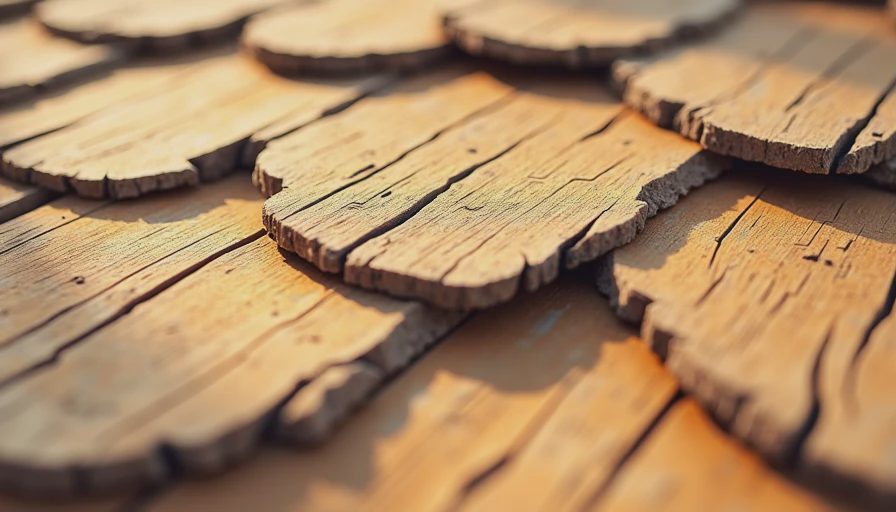
You don't need a full roof replacement if you've got one damaged shake. Look for three things: shakes that split down the middle, edges that cup like a spoon, and moss that has worked its way under the wood. If you see one or two bad shakes, a handyman can swap them for $200 to $400. If more than a quarter of the roof looks suspect, do the math on a new roof. The repair-versus-replace rule I use is the same one Tim uses for concrete: if the failure is in less than 10% of the surface, patch it. If it's spread out, replace it. And if your insurance agent mentions a fire-zone surcharge, listen. Cedar is combustible, and in dry states that means higher premiums — sometimes by 20% or more. That can turn a charming cedar shake roof into a liability.
Permits, Insurance, and the Fine Print
Before you fall in love with a cedar shake roof, call your local building department. Some jurisdictions require a Class B or Class A rating for wood roofs, and that changes what underlayment you're allowed to use. In wildfire-prone areas, code can ban wood shakes altogether. Check that before you order samples. Your insurance company matters too. A wood roof can trigger a premium surcharge of 10% to 25% in certain ZIP codes, so get a written quote from your agent before sign-off. And ask the roofer for warranty details: what's covered, who covers it, and whether it's transferable if you sell. I use a simple rule: warranty in writing, or it doesn't exist.
The Nora Formula
Here's the number-crunching process I use whenever a contractor hands me a bid. Get three written quotes, and make each one show the per-square price. Add 10% for surprises — whether it's a hidden valley or a raccoon family in the attic. Then divide the total by the expected years of life. An $18,000 cedar shake roof that lasts 25 years costs $720 per year. A $7,500 asphalt roof that lasts 15 years costs $500 per year. That $220 difference is the price of the look — and the price of the maintenance. My answer? If you can afford the annual cleaning and you love the texture, buy the cedar. If you want numbers that leave you more cash for the interior, go synthetic. Either way, measure twice and get everything in writing. Trust the tape, not your eye.



No comments yet — grab the first one.