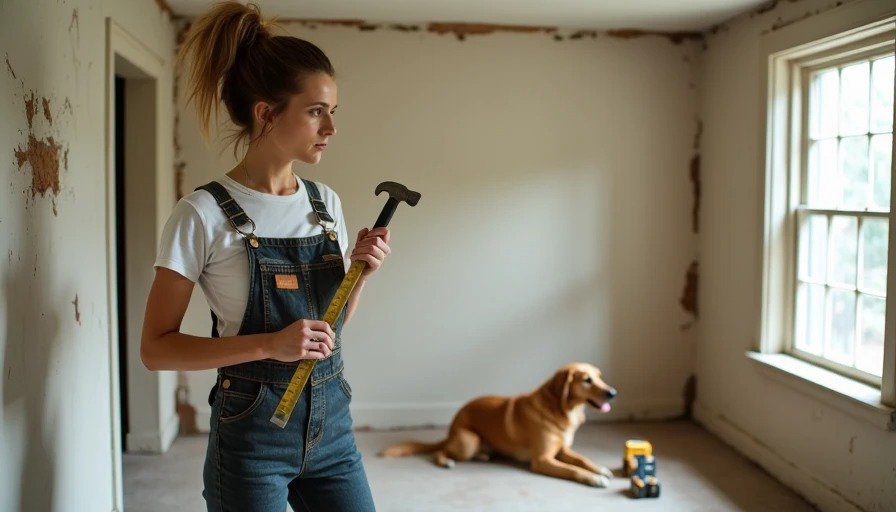
Two weeks after closing on our current 1920s Colonial, I leaned against the living room wall and my hand went straight through the plaster. Not a small hole — a dinner-plate sized chunk.
Welcome to old house ownership.
I’ve now dealt with plaster in three different decades of homes. Here’s the no-nonsense guide I wish I had on day one.
How to Tell What You’re Dealing With
The Tap Test (Do This First)
Take a knuckle or small rubber mallet and tap gently across the wall.
Solid, dull thunk = good plaster, well-adhered to lath.
Hollow drum sound = detached or crumbling behind the surface.
Cracking or powdery feel = likely needs attention.
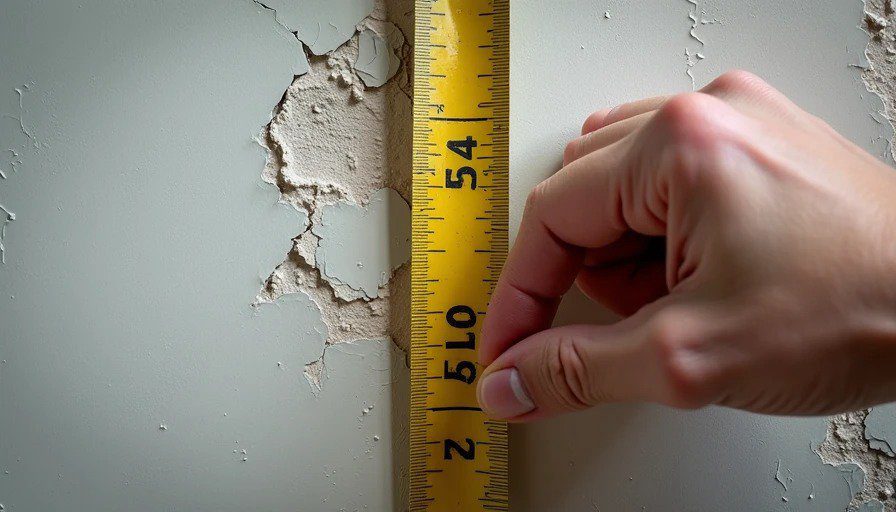
Map the bad spots with painter’s tape. Measure the total linear feet or square footage of damage. Data beats guessing.
Visual Clues
Plaster: Harder, thicker (often 3/4" to 1"), often over wood lath strips. Can have horsehair in very old mixes.
Drywall: Thinner (1/2" or 5/8"), paper-faced, installed in sheets. Usually post-1950s.
Our house is mostly original plaster with some previous owner patches in drywall. Classic Frankenstein situation.
Repair vs. Replace: The Decision Framework
I use this simple flowchart every time:
Step 1: Safety First
Is there water damage, mold, or lead paint? Test and mitigate before anything else.
Step 2: Extent of Damage
Less than 10-15% of the wall surface and structurally sound? → Repair.
Widespread failure, multiple layers, or lath rotten? → Consider full replacement in that room.
Step 3: Historical Value & House Style
In a true 1920s Colonial, preserving some plaster maintains character and sound insulation. But perfect matching is expensive.
Step 4: Budget & Timeline
Repair is often cheaper per square foot but more labor-intensive. Drywall is faster for large areas.
Cost Reality in Columbus 2026 (Our Numbers)
Plaster repair (small patches): $8–18 per sq ft (DIY lower).
Full plaster restoration by pro: $25–45 per sq ft.
Remove plaster + install drywall: $12–22 per sq ft including labor and disposal.
Skim coating entire room over old plaster: $6–12 per sq ft.
For our living room we repaired the worst sections and skim coated the rest. Saved roughly $9,000 versus full replacement while keeping the original feel.
How to Repair Plaster (What Actually Worked)
Small Holes & Cracks
Remove loose material back to solid edge.
Use plaster washers or mesh tape on larger areas.
Apply setting-type joint compound in layers (not regular mud — it shrinks less).
Sand, prime, paint.
Larger Sections
Sister or replace damaged lath.
Use modern plaster base or blue board + veneer plaster for better results.
Expect dust. Lots of it. Seal the room.
I did the small stuff myself. Hired out the ceiling repairs after one scary afternoon.
When Drywall Makes More Sense
Bathrooms or high-moisture areas (plaster hates constant humidity).
Walls with extensive electrical or plumbing work planned.
Rental properties where speed matters.
Areas with major settling cracks that keep returning.
We replaced the kitchen walls with drywall during the gut because of multiple pipe runs and future-proofing.
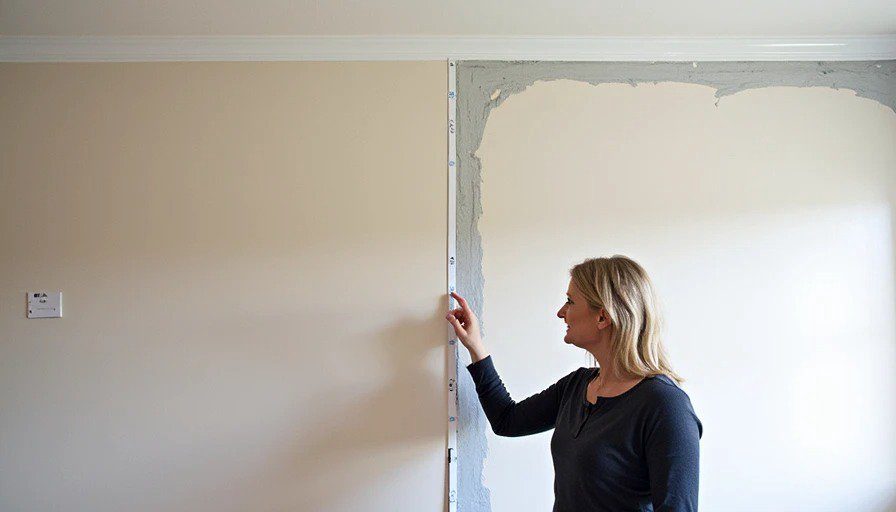
Pro Tip: You can install drywall over old plaster (after securing it) for a hybrid approach. Skim coat the new drywall to match texture.
Sound and Thermal Differences
Plaster wins here. Thicker mass = better sound dampening between rooms. Our bedroom feels quieter than friends’ newer homes.
Drywall is lighter and easier to insulate behind during replacement. Trade-offs everywhere.
Tools and Materials I Actually Use
Vintage tape measure (obviously).
Drywall hawk and trowels.
Setting-type compound (Durabond or Easy Sand).
Plaster washers for reattaching.
Good dust containment system — this is non-negotiable.
Total tool investment for wall work: under $350 and it pays for itself on the second project.
Common Mistakes to Avoid
Painting over crumbling plaster. It will fail faster.
Using regular joint compound for deep fills — it cracks.
Ignoring the lath. The plaster is only as good as what’s behind it.
Underestimating dust migration. Seal doorways aggressively.
Tim still laughs about the time I tried to patch without proper containment. The entire house had a white film for weeks.
Some designers push full gut to drywall for “clean lines.” I disagree for period homes. The subtle imperfections in old plaster tell the story of the house. Repair where you can. Replace where you must.
Our living room walls now have that perfect slightly imperfect finish. The dog doesn’t scratch them (much). Future buyers will appreciate the preserved details — or at least that’s what I tell myself when the next crack appears.
Old houses aren’t museums, but they’re not blank canvases either. The right mix keeps the soul while making it livable.
Next in Old House Rx: dealing with original radiators and the covers I built for $80.
Trust the tape — and the tap test.


No comments yet — grab the first one.