
A tankless water heater sounds like a tidy solution: hot water when you need it, no 50-gallon cylinder occupying a corner, and less energy spent reheating water at 2 a.m. I liked the idea immediately. Then Tim asked whether our 1920s electrical panel could support one. The conversation became less romantic and more useful.
A tankless water heater can be an excellent choice, but it is not a universal upgrade. The right unit depends on fuel type, incoming water temperature, household demand, electrical capacity, venting, and available wall space. In an old house, every one of those variables can add cost. Trust the tape, not your eye — and definitely not the appliance box promising endless hot water.
What a tankless water heater actually changes
A conventional storage heater keeps a reservoir hot all day. That is convenient, but the tank loses heat between uses. A tankless water heater activates when water flows through the unit, heating it with gas burners or electric elements. There is no large storage tank, so the footprint is often dramatically smaller — roughly the size of a small suitcase for some electric models, though gas units need additional clearance and venting.
The main benefit is space. In my basement, removing a tank would free a narrow area beside the laundry machines, which is valuable real estate when the dog has already claimed the only sensible storage zone. The second benefit is reduced standby heat loss. The third is service life: many units can last longer than conventional heaters when installed and maintained correctly.
The tradeoff is flow rate. A tankless water heater does not create an infinite supply of hot water at unlimited speed. It has a maximum gallons-per-minute rating, and that rating changes with the temperature rise required. A shower using 2 gallons per minute and a washing machine using 1.5 gallons per minute could push a small unit close to its practical limit when both run together.
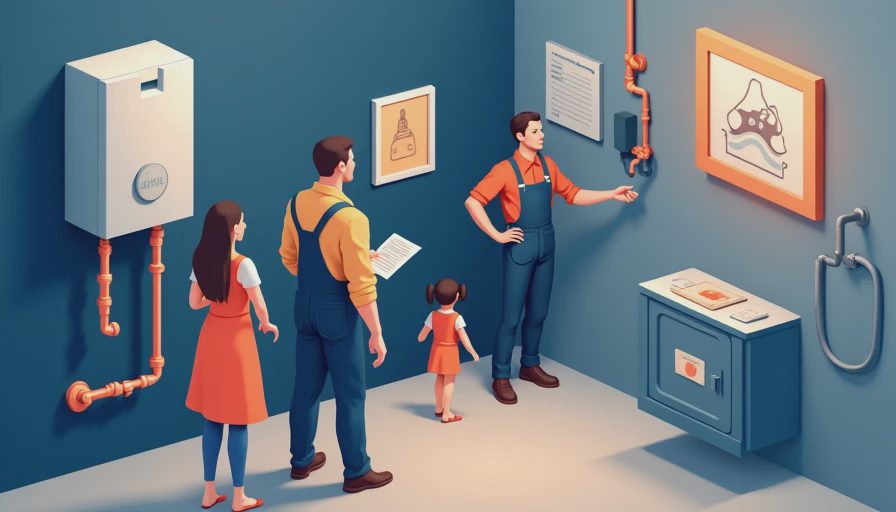
Fuel type, flow rate, and the sizing math
Start with your busiest realistic moment, not the fantasy version of your household. Count fixtures that might run simultaneously: one shower at 2 gallons per minute, a kitchen faucet at about 1 gallon per minute, and a dishwasher that uses hot water intermittently. A couple who schedules showers separately may need far less capacity than a family running two showers, a washer, and a sink at once.
Gas models generally deliver higher flow rates than electric models, but they require a suitable gas line, combustion air, and approved venting. An electric tankless water heater may avoid combustion venting, yet a whole-home model can require substantial amperage. Some installations need multiple 40- or 50-amp circuits. That is not a casual detail in a pre-1940 house with an older 100-amp service panel.
Temperature rise matters too. If groundwater enters at 50 degrees Fahrenheit and you want 120-degree water, the unit must raise the temperature by 70 degrees. Colder winter groundwater makes the same appliance work harder. Ask for the flow rate at your actual temperature rise, not just the largest number printed in the product listing.
Before shopping, record the current heater’s fuel, the service-panel rating, gas-pipe size, vent material, water-pipe size, and the distance to the nearest exterior wall. Take photographs. Measure twice. A contractor can price the work much faster when the existing conditions are documented instead of described as “kind of old.”
Installation costs are where the spreadsheet gets honest
The appliance itself may cost approximately $500 to $2,500 for many residential options, while installation can add $800 to several thousand dollars. A straightforward replacement in a newer utility room is one situation. Converting from a tank to a tankless water heater in an old house is another category entirely.
Potential additions include a larger gas line, new venting, condensate drainage, electrical upgrades, shutoff valves, isolation valves, a mounting backer, water-line changes, and removal of the old tank. A gas unit may need a concentric or direct-vent system approved for that specific model. An electric unit may require a panel upgrade, which can turn a planned $2,000 project into a $5,000 or higher electrical conversation.
Do not compare only the sticker price. Write the project as four lines: equipment, installation labor, required infrastructure, and future maintenance. That structure exposes the expensive surprise before it arrives. It also gives you a better basis for comparing brands such as Rinnai, Navien, Rheem, and Noritz. Product reputation matters, but local installer experience and available parts matter more when the basement is cold and the shower is not.
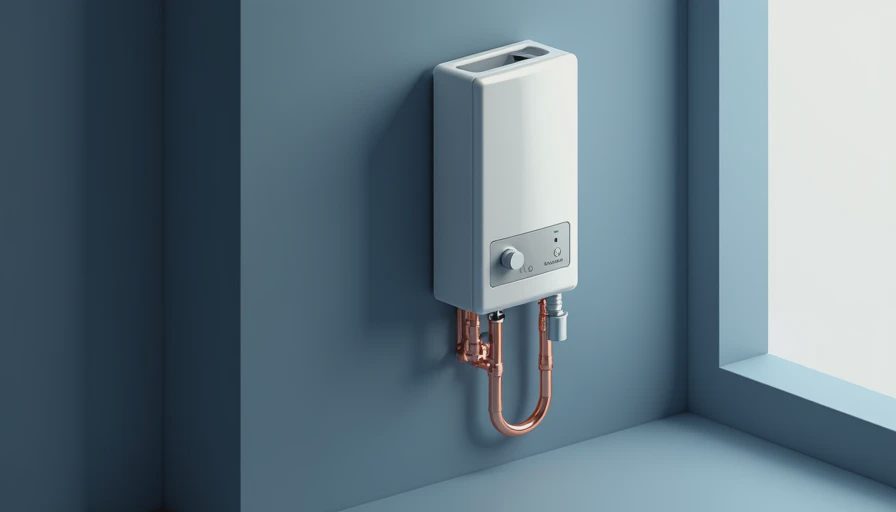
Maintenance, comfort, and the old-house details
A tankless water heater usually needs periodic flushing to remove mineral scale, especially where the water is hard. The procedure circulates a descaling solution through the heat exchanger using service valves. A professional service call might cost around $100 to $250, depending on location and access. Skipping maintenance can reduce efficiency and shorten component life.
There can also be a brief delay before hot water reaches a distant faucet. The unit heats water on demand, but it cannot eliminate the time required for water sitting in the pipe to travel from the basement to the second-floor bathroom. A recirculation system can reduce that wait, but it adds equipment, controls, energy use, and another decision. I like hot water quickly; I do not like paying to maintain a complicated system for a bathroom used twice a day.
Old houses deserve special attention at the installation point. Check for water damage behind the existing heater, uneven masonry, corroded shutoff valves, and a floor drain that is not actually connected to anything useful. A compact appliance is not automatically a simple appliance. The wall must support it, the service connections must be accessible, and the pressure-relief and discharge arrangements must be installed correctly.
When the upgrade makes financial sense
The strongest case is usually a household with high hot-water demand, limited utility-room space, and a heater that is already near replacement age. If the existing tank is leaking, replacement is no longer theoretical. If your basement is finished, reclaiming several square feet may justify part of the cost even when energy savings alone do not produce a fast payback.
The weaker case is a low-use household replacing a perfectly functional tank solely to chase a vague promise of savings. A tankless water heater can reduce standby losses, but the total payback depends on utility rates, usage, installation cost, and maintenance. If a panel upgrade costs thousands of dollars, the energy math may stop cooperating.
Get at least two written estimates. Ask each installer to state the expected flow rate at your winter groundwater temperature, the required electrical or gas changes, the venting plan, the warranty terms, and the maintenance schedule. “It will fit” is not a specification.
My five-minute buying formula
I now use a simple worksheet: peak simultaneous flow rate, required temperature rise, fuel availability, service capacity, installation scope, and ten-year maintenance cost. If the appliance passes all six checks, I compare purchase prices. If it fails even one, I stop treating the small footprint as a bargain.
For our house, the decision is not tankless versus tank. It is whether the freed floor space and on-demand operation justify the infrastructure work. Measure the utility room, photograph the connections, calculate the busiest shower scenario, and price the complete installation. Then choose the system that fits the house you actually own — not the house shown in the product listing.
Trust the tape, not your eye.