
A propane heater can solve one very specific problem: a cold room that your central system cannot justify heating all day. I learned this after spending a winter in my 1920s house wearing a coat indoors while the thermostat insisted everything was fine. The living room was 62 degrees, the upstairs hallway was 69, and the dog had claimed the only warm floor register. This was not a design problem. It was a heat-distribution problem.
A portable propane heater can add targeted warmth, but it is not a casual decor purchase. Fuel, ventilation, clearance, carbon monoxide protection, and floor stability all matter. I now measure the room, calculate the likely heating load, and inspect the safety features before comparing colors or prices. Trust the tape, not your eye.
Choose the right type for the room
There are three common categories. Vent-free indoor models are compact and often rated for supplemental heat, but they still require strict attention to the manufacturer’s instructions and room ventilation. Vented heaters send combustion gases outside through a flue or wall connection, which makes installation more involved but keeps exhaust out of the living space. Outdoor patio models are designed for open-air use and should not be brought inside, even during a brief power outage.
A small cabinet-style unit may cost roughly $100 to $250, while a professionally installed vented model can run several hundred dollars before labor. The cheapest sticker price is not automatically the lowest project cost. If a unit needs a new gas line, wall penetration, hearth protection, or an electrician for a fan, the installation budget changes quickly.
For an older house, inspect the floor before placing any heater. Soft pine boards, uneven transitions, and loose area rugs create more risk than a plain metal base suggests. A level, noncombustible surface is more useful than an attractive corner.

Calculate heat instead of guessing by appearance
Manufacturers typically list output in British thermal units, or BTUs. A small room may need a lower-output unit than a drafty open living area, but room size is only the starting point. Ceiling height, insulation, window count, air leaks, and the climate zone all change the result. A 250-square-foot room with original windows can behave very differently from a 250-square-foot room in a newer, tighter house.
Write down the room’s length, width, and ceiling height. Then note whether two or more walls face outdoors, whether the room sits over an unheated basement, and whether the windows rattle when the wind rises. That information gives you a more useful shopping brief than “medium size.” An HVAC professional can help confirm the required capacity, especially if the unit will be connected to a permanent fuel supply.
Oversizing creates its own annoyance. A very powerful propane heater can cycle frequently, produce uneven temperatures, and make the area near the unit uncomfortably warm while the far side remains cool. I would rather use a properly sized model for four hours than a giant unit that turns the room into a sauna in twenty minutes.
Budget the fuel and the boring equipment
Fuel cost depends on local propane prices, the unit’s BTU rating, and how long it runs. A compact heater using a one-pound cylinder is convenient for short emergencies, but frequent use can become expensive and wasteful. Larger refillable tanks offer more capacity, although they require approved storage, compatible regulators, and a safe connection system.
Never store spare cylinders beside a heat source, in a basement, or where a pet can knock them over. Propane is heavier than air, so a leak can collect in low areas. Keep cylinders outdoors in an approved location and follow the supplier’s storage instructions. Do not improvise adapters because a fitting seems close enough — “close enough” is how home projects become insurance paperwork.
Add the price of a carbon monoxide alarm, a fire extinguisher rated for the likely hazards, replacement batteries, and possibly a sturdy protective barrier. A basic alarm may cost $20 to $50. That is a small line item compared with the consequences of ignoring combustion safety.
Make pet and furniture clearance measurable
My dog treats every warm object as a personal invitation. That means a propane heater needs a boundary, not a hopeful request. Keep bedding, curtains, paper, furniture, and toys outside the clearance distances printed in the manual. The exact distance varies by model, so I use the manual’s number rather than a generic internet rule.
Draw the footprint on the floor with painter’s tape before buying. Include the heater, the required clearance, access for controls, and a path for people walking through the room. In my living room, the “perfect” corner failed because the dog could reach it from the sofa in three enthusiastic steps. The replacement location was less picturesque and much safer.
Never leave a heater running unattended or while everyone is asleep unless the specific appliance and local guidance clearly allow that operation. Keep children and animals away with a stable barrier that does not block airflow. A gate should prevent contact without becoming a fabric-covered heat trap.
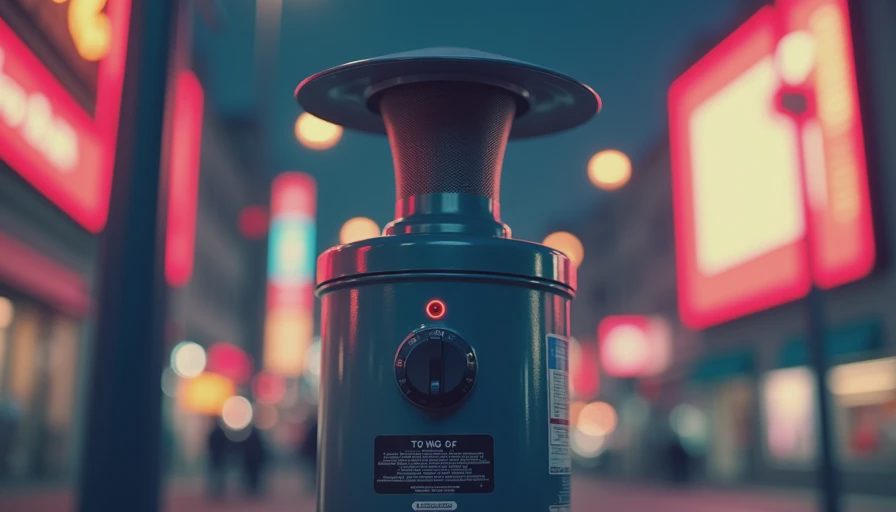
Ventilation and carbon monoxide are not optional details
Any fuel-burning appliance deserves respect because combustion can produce carbon monoxide, an odorless gas that can cause illness or death. Install carbon monoxide alarms according to the alarm manufacturer’s instructions, typically near sleeping areas and on each level of the home. Test them regularly and replace batteries or the entire alarm when required.
Do not use an outdoor propane heater in a garage, enclosed porch, basement, tent, or living room. Do not cover ventilation openings, disable an oxygen-depletion sensor, or continue using a unit with a yellow flame, soot, unusual odor, damaged hose, or repeated shutdowns. Those symptoms need attention, not a louder fan.
Vent-free equipment has specific operating requirements, and local building or fuel-gas rules can affect whether it is allowed. Read the installation manual before purchasing. If the instructions call for professional installation, that is not a suggestion to negotiate away with a screwdriver.
A five-minute buying procedure that works
Start with the room measurements and write down the target temperature. Next, decide whether you need emergency backup, occasional supplemental warmth, or a permanent heating solution. Those are three different purchases. Confirm the approved fuel type, required ventilation, minimum room size, clearance dimensions, ignition method, shutoff features, and warranty terms.
Then compare total cost. A $180 portable propane heater may be reasonable for occasional outages, while a $700 installed unit could make sense for a regularly used workshop or enclosed addition. Add fuel, delivery, installation, alarms, and maintenance. Finally, check whether your homeowner’s insurance requires documentation for permanently installed fuel-burning equipment. Keep receipts and installation records in the same folder as your furnace paperwork.
My practical formula for the decision
The formula is simple: measured room conditions plus manufacturer-rated capacity plus safe placement plus monitored operation. Remove any one of those pieces and the purchase becomes guesswork.
For my old house, the winning setup is a modest supplemental unit in the draftiest occupied room, a carbon monoxide alarm nearby, clear floor space, stored fuel outside, and a written shutdown routine. It does not warm the whole house, and that is the point. Target the room, control the cost, and avoid buying equipment that creates a second problem.
I still measure the gap before moving a chair near the heater. Tim still asks whether the floor is level. He is usually right, which is irritating but cheaper than learning through a repair bill. Trust the tape, not your eye.