I spent 45 minutes comparing two nearly identical trash cans at Home Depot, then went home empty-handed. Snow blower shopping has the same trap: five brands, twelve specifications, and one driveway that simply needs the snow moved before work. The most recommended snow blowers are not automatically the largest or most expensive machines. They are the ones matched to your snowfall, pavement, storage space, and tolerance for pulling a starter cord in 12-degree weather.
I live in an old house with a narrow driveway, uneven concrete, and a dog who believes every machine is personally insulting. That combination makes “buy the biggest one” bad advice. Here is the measurement-based system I use instead — because trust the tape, not your eye.
Start with driveway math, not brand loyalty
Measure the driveway width, length, and narrowest turning area. A 20-inch single-stage blower can be sensible for a short, paved driveway under roughly 600 square feet. It is lighter, easier to store, and often costs about $300 to $700. A two-stage machine with a 24- to 28-inch clearing width makes more sense for a longer drive, repeated storms, or snow that regularly exceeds 8 inches. Expect roughly $900 to $1,800 for a dependable homeowner model, with premium machines costing more.
The most recommended snow blowers usually share three practical traits: enough intake height for your normal storms, a chute that can direct snow away from cars and doors, and controls you can operate while wearing gloves. A machine with a 30-inch housing is useless if it cannot fit between your garage and retaining wall. Write down the dimensions before browsing. Tim says this is obvious. Tim is correct, which is irritating but efficient.
Also measure storage. Many two-stage units are about 25 to 30 inches wide and can weigh 200 pounds or more. If the shed door is 24 inches wide, the product page is not going to negotiate.
The most recommended snow blowers by snow type
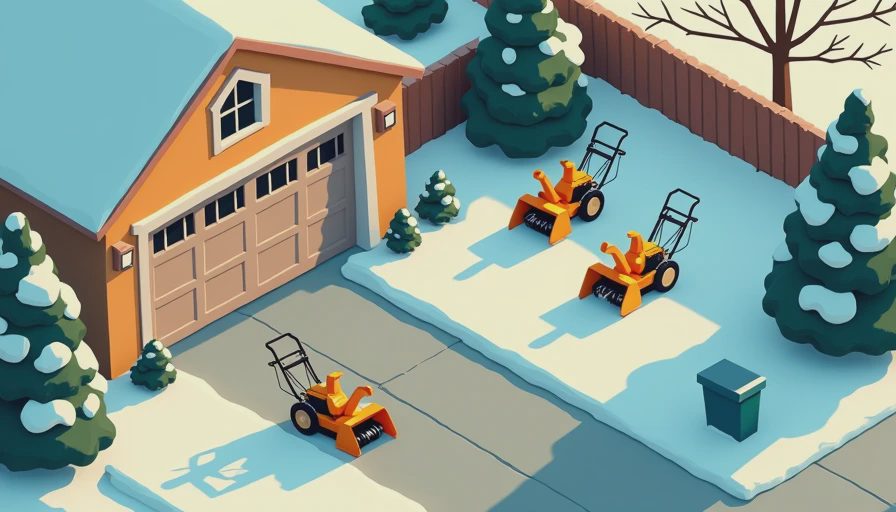
For light, fluffy snow on a paved surface, a single-stage electric model can be the cleanest choice. Battery machines from brands such as EGO, Greenworks, and Toro avoid gasoline storage and are quieter around early-morning neighbors. Current battery systems often cost $500 to $1,300 once the battery and charger are included. Check whether the listed price includes both; “tool only” pricing is a reliable way to create an accidental $250 surprise.
Gas single-stage models from Toro and Ariens can handle moderate snow while staying relatively compact. They are useful for homeowners who want longer runtime without charging batteries, though fuel, oil, seasonal storage, and engine maintenance become part of the budget.
For heavy, wet snow, steep drives, or plow-created ridges at the end of the driveway, the most recommended snow blowers are generally two-stage models. Ariens Deluxe machines, Toro Power Max models, and select Cub Cadet units are common starting points. Their auger gathers snow, while an impeller throws it through the chute. That extra mechanism adds weight and cost, but it also handles deeper accumulation and compacted piles more effectively.
Battery, gas, or corded power?
Battery power wins when convenience is the main constraint. There is no gasoline can, no spark plug, and no pull-start drama. The tradeoff is runtime. A large driveway, wet snow, and repeated passes can drain a battery quickly, especially in very cold conditions. If you choose cordless equipment, look at battery capacity, the price of a second pack, and whether you already own compatible tools from that platform.
Gas remains practical for large properties and long storms. A 4-cycle engine does not require mixing fuel and oil, but it still needs fresh fuel, proper storage, and occasional maintenance. Electric start is worth paying for if your shoulder objects to repeated pulling. I consider $80 to $150 for an electric-start feature reasonable when it prevents the machine from becoming an expensive shed ornament.
Corded electric models are inexpensive and light, but the cord is the limiting factor. You need an outdoor-rated extension cord, a nearby outlet, and a clear route that stays away from the auger. For a small, flat walkway they can work. For a full driveway, the cord becomes a project of its own.
Features that earn their cost
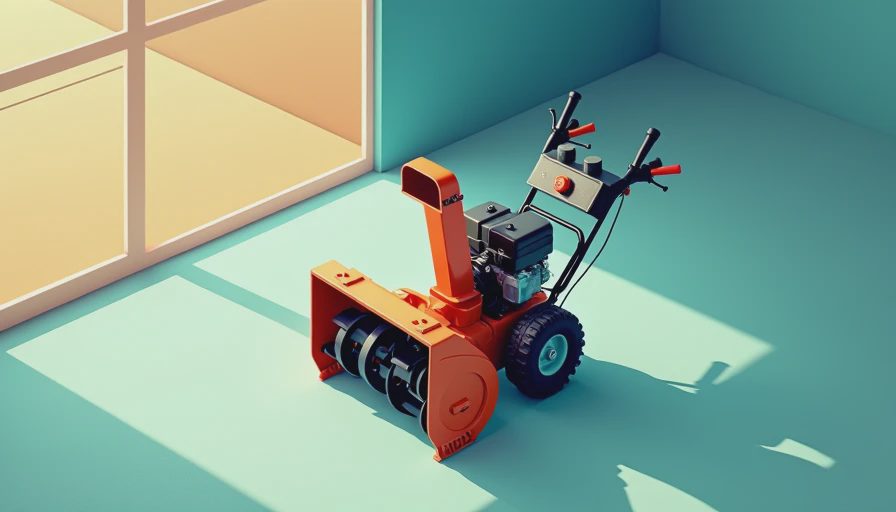
A metal chute with a simple, positive control is useful because wet snow changes direction unpredictably. Heated handgrips are pleasant but not essential; I would prioritize a good headlight, tire chains or aggressive traction, and a robust scraper bar first. Differential steering or trigger-controlled turning can reduce wrestling with a heavy two-stage machine, particularly on sloped pavement.
Do not judge clearing width alone. Intake height matters when snow reaches the midpoint of the housing. Throwing distance matters when your driveway borders a walkway or your neighbor’s parked car. A machine rated to throw 40 feet can still disappoint if the chute clogs because wet snow is being forced through an undersized opening.
The most recommended snow blowers also have accessible shear pins. These sacrificial pins protect the gearbox when the auger hits a hidden newspaper, chunk of ice, or dog toy. Keep replacements in the garage. Stopping a storm to search three hardware stores for a tiny pin is how a ten-minute repair becomes a Saturday morning.
My maintenance budget and storage checklist
Before the first storm, inspect the scraper bar, skid shoes, belts, chute rotation, and tire pressure. Skid shoes are especially important on old driveways. Uneven pavement can catch a low scraper bar, while gravel can be pulled into the auger. Raise the shoes slightly on gravel and lower them closer on smooth pavement, following the manual’s guidance.
For gas equipment, use fresh fuel and follow the engine manufacturer’s storage instructions. At season’s end, clean packed snow from the housing, dry the machine, and check for rust. For battery equipment, store packs indoors rather than in an unheated shed. Cold storage and charging are not the same thing; let a frozen battery warm before charging it.
Budget another $30 to $100 for shear pins, a cover, fuel treatment, replacement belts, or an extension cord. The most recommended snow blowers still require care. A neglected $1,200 machine is less useful than a maintained $500 machine when the storm arrives.
A five-minute buying formula
Choose single-stage battery power for a small paved area, light-to-moderate snowfall, and a homeowner who values quiet starts. Choose gas single-stage power for moderate coverage when runtime matters more than maintenance. Choose a two-stage gas or high-capacity battery model for deep snow, large drives, steep grades, or plow berms.
Then verify four numbers: driveway square footage, average storm depth, machine width, and storage-door clearance. Add the real package price with batteries, charger, fuel supplies, and accessories. That calculation will narrow the most recommended snow blowers far faster than reading another page of star ratings.
My final test is simple: can I move the machine from storage to the driveway without injuring myself, and can I reach every control with gloves on? If not, it is the wrong machine, regardless of horsepower. Trust the tape, not your eye — and buy the snow blower that fits the work you actually have.