A hand truck is not glamorous. It is a small frame with wheels, a toe plate, and the power to prevent one person from carrying a 70-pound box down an old staircase. I learned that after trying to move a solid oak dresser alone. The dresser won. My lower back filed a formal complaint. Now I measure the load, the route, and the storage spot before buying equipment. Trust the tape, not your eye.
What a hand truck actually does
A hand truck shifts weight from your arms and back onto its wheels. You tilt the frame toward yourself, balance the load over the axle, and roll rather than lift. That sounds simple because it is simple — but the dimensions determine whether the tool helps or becomes another object blocking the mudroom.
A standard model has two wheels and a narrow toe plate. It works well for moving cardboard boxes, bags of potting soil, paint cans, and small appliances. A convertible model can switch between upright and four-wheel cart positions, which is useful when moving long, low furniture. Appliance versions add larger wheels, straps, and a taller frame for refrigerators or washing machines.
The first decision is not brand. It is load pattern. A stack of 35-pound boxes behaves differently from a single 120-pound cabinet. Boxes can be centered and strapped. Furniture can shift, scrape walls, or catch on a threshold. For most house projects, a 300-pound rating provides practical headroom without forcing you into a bulky commercial unit.
Choosing the right size and wheel setup
Measure three things: the narrowest doorway, the highest stair tread, and the storage depth. My 1920s house has a 31-inch basement door, a radiator that steals another four inches, and a garage corner already occupied by a lawn mower. A wide warehouse-style hand truck would technically fit but would make every trip irritating.
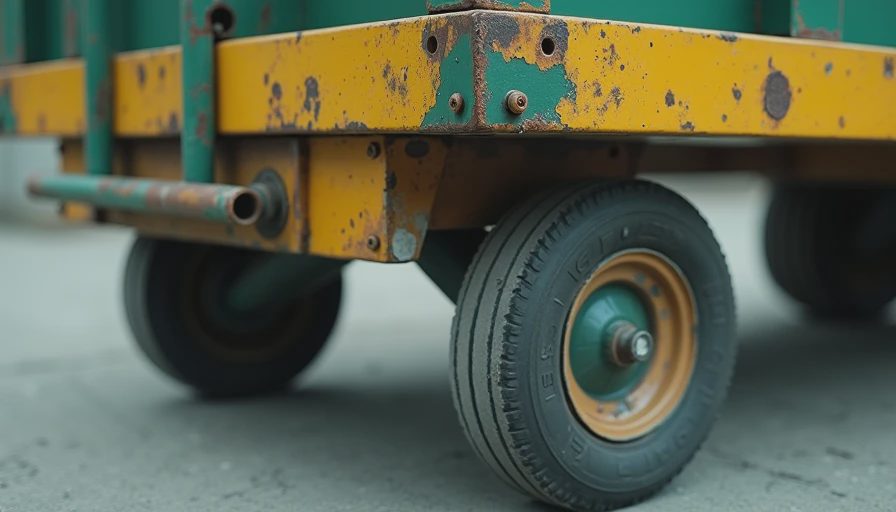
Two solid rubber wheels are compact and never need inflation. They are a sensible choice for hardwood floors, short moves, and occasional furniture work. Pneumatic tires roll more smoothly across gravel, cracked sidewalks, and uneven basement floors, but they need air and can go flat at the least convenient moment. Stair-climbing models use multiple small wheels; they can reduce bumping on steps, though they are heavier and usually cost more.
Look at wheel diameter as well as wheel count. Wheels around 8 to 10 inches handle thresholds better than tiny wheels. A larger wheel climbs a transition with less force because it does not drop as deeply into the gap. That matters in old houses, where a floor transition can be a half-inch of mystery wood installed in 1947.
Load ratings are not permission to ignore balance
A rating of 600 pounds does not mean you should pile 600 pounds onto a narrow frame and drag it down stairs. Manufacturers generally state a maximum capacity for a properly balanced load on a suitable surface. Your safe working load is lower when the item is tall, unstable, wet, or being moved over steps.
For a practical home setup, I divide purchases into three tiers. A light-duty hand truck rated around 150 to 250 pounds is enough for packages, pantry boxes, and garden supplies. A 300- to 500-pound model suits renovation materials, boxed furniture, and compact appliances. Heavy-duty steel models rated above 600 pounds make sense for repeated workshop or contracting use, but they weigh more and can cost $150 to $300.
A strap is not optional for tall objects. Use a ratchet strap or the included webbing to hold the center of mass against the frame. Keep the heaviest section close to the axle, not high above it. If the load feels like it wants to pull you forward, stop and repack it. That five-minute correction is cheaper than repairing a scratched banister.
Materials, handles, and useful features
Steel frames are durable and usually cost less — often $40 to $120 for a capable residential model. Aluminum frames are lighter and resist rust, making them easier to carry upstairs or store near a damp garage door. They commonly cost $80 to $180. The right material depends on how often you will lift the tool itself. A 45-pound steel frame is not a bargain if you avoid using it because it is awkward.
Handle shape matters when you wear work gloves. A loop handle gives multiple grip positions and can help with tall boxes. A dual-handle design feels stable with wide loads. Check whether the handle height allows your elbows to remain slightly bent while the load is tilted. If you have to hunch, the frame is working against your body.
Some models include a folding toe plate, stair skids, removable wheels, or a convertible cart frame. These features are useful only when they solve a measured problem. A folding design can fit in a 10-inch-deep closet, while a fixed plate may offer better support for awkward loads. I prefer a model with a plate at least 14 inches wide for boxes and bags, but smaller plates are easier around door trim.

My five-minute buying test
Before ordering a hand truck, I write down the heaviest object I expect to move, its dimensions, and the route. Then I check these points:
- The load rating exceeds the expected weight by a comfortable margin.
- The toe plate supports the object without leaving most of it floating off the edge.
- The wheels fit through the narrowest doorway and can cross the worst threshold.
- The frame folds or stores in the exact location available.
- Replacement straps, wheels, or tires are available from the manufacturer or a common hardware supplier.
I also read the return dimensions, not just the folded dimensions. A hand truck that is 18 inches deep when stored may extend to 24 inches while open — important if the setup area is a tight hallway. Brands such as Milwaukee, Harper Trucks, Cosco, and Magliner offer different mixes of residential, folding, and commercial designs. I compare specifications rather than assuming the most familiar logo is the best fit.
Moving safely through an old house
Clear the route before loading. Open doors, remove rugs, tape down loose cords, and protect corners with moving blankets. On stairs, keep the load below shoulder height and move one step at a time. Never position yourself downhill from a heavy item if you can avoid it. Ask another adult to guide the top or bottom when visibility is limited.
For a refrigerator or tall cabinet, secure the doors, protect the finish, and use a second person. Do not use a hand truck to move a load that blocks your view of the next step. That is not efficiency; it is a six-foot experiment in gravity.
After each project, wipe dirt from the wheels and inspect the strap, axle, and toe plate. Store the tool upright where it cannot fall onto a pet or child. The best purchase is the one that remains ready, not buried behind seasonal decorations.
A sensible formula is straightforward: choose a load rating at least 30 percent above your typical heaviest item, wheels suited to your roughest surface, and a stored footprint that fits your actual home. Spend $50 to $150 for occasional household work, more when repeated appliance or workshop moves justify it. Measure first, buy second, and let the wheels do the lifting.