The best string trimmer is not automatically the loudest, most expensive, or most heavily advertised model at the hardware store. I learned that after buying a bargain gas trimmer that shook my hands numb in eleven minutes. Tim said the vibration was "useful feedback." Tim is an engineer. Tim is occasionally banned from the garden shed.
For an old-house yard, the right tool has to handle uneven edges, foundation stones, fence posts, damp grass, and the occasional hidden chunk of brick. It also needs to start without a small ritual involving gasoline, a primer bulb, and language unsuitable for a family blog. Here is the system I use now: measure the job, estimate the cutting load, then pay for useful power rather than decorative features.
What the best string trimmer needs to do
Start with the yard, not the product page. A suburban lot with 150 feet of sidewalk edging needs a different tool from a half-acre property with tall weeds around a detached garage. Measure the areas you actually trim. I use a tape measure for furniture and a phone pedometer for the garden because apparently my personality has no off switch.
For light grass around flower beds, a 12-volt or compact 20-volt cordless trimmer can be enough. These models are generally lighter and quieter, which matters when the dog is convinced every motor is a personal attack. For thick weeds, tall growth, or weekly work across a large lot, look at 40-volt to 60-volt battery systems or a gas model.
The best string trimmer should also have an adjustable shaft, a guard that does not flex like a plastic spoon, and a handle you can position without bending your wrists. A straight shaft usually gives better reach under shrubs and around low branches. A curved shaft can feel lighter for basic lawn edging. Neither shape is universally superior; the correct choice depends on the distance between your hands, the height of your grass, and whether your back has recently filed a complaint.
Battery, gas, or corded power
Corded electric trimmers are inexpensive — often around $50 to $100 — and provide steady power for a small yard. The failure point is obvious: the extension cord. You must manage it around trees, gates, and corners without cutting it. I have enough experience with cords near moving tools to say that a $70 savings is not worth an afternoon of electrical troubleshooting.
Battery models usually cost $100 to $350 before extra batteries. Brands such as EGO, Greenworks, Ryobi, Milwaukee, and DeWalt build broader outdoor platforms, so one battery may also run a blower, hedge trimmer, or mower. That shared-battery math can make a premium tool cheaper over three or four purchases. It can also make you irrationally loyal to a brand after buying one $179 battery.
Gas trimmers still make sense for long sessions, heavy weeds, and properties far from outlets. They typically provide strong cutting power and quick refueling, but they require fuel storage, seasonal maintenance, air-filter care, and more noise. If you trim for fifteen minutes every Saturday, battery power is usually the less annoying ownership calculation. If you clear waist-high growth near an outbuilding, gas or a high-voltage battery model deserves the extra budget.

Line size and cutting width are not decoration
Most residential trimmers use line roughly between 0.065 and 0.095 inches. Thin line is efficient for grass and consumes less battery. Thicker line lasts longer against rough weeds and hard surfaces, but it demands more motor power. The best string trimmer for a tidy lawn does not need the same line as the best string trimmer for blackberry stems and neglected fence rows.
Cutting width also changes the workload. A 12-inch path is easier to control around hostas and edging stones. A 15- or 16-inch head clears more area with each pass, reducing walking time across a large yard. Wider is not automatically better because it can encourage aggressive cutting near tree bark, painted siding, and decorative brick. I use a narrower head around beds and a wider one on open grass — if the design allows it.
Look closely at the feed system. Bump-feed heads are simple and inexpensive but require tapping the head against the ground. Automatic-feed systems reduce that motion but can release more line than necessary. A dual-line head cuts efficiently, while a single-line head is usually easier to reload. Replacement spools may cost $10 to $25, so check availability before buying an unusual head design.
Features worth paying for
Variable-speed control is useful because not every patch needs maximum power. Low speed handles lawn edges and extends battery life; high speed manages dense weeds. A rotating shaft can switch between trimming and edging, but inspect the mechanism before buying. It should lock firmly rather than wobble when the head turns vertical.
A shoulder strap is valuable for heavier models, particularly after ten minutes of work. Anti-vibration handles are more than comfort theater when you are clearing a long fence line. Tool-free handle adjustment saves time, while a quick-load head can prevent the classic Saturday morning event known as “where did the instructions go?”
Do not pay extra simply for a digital display if the basics are weak. I would choose a reliable spool, balanced shaft, and available battery over a screen that reports motor temperature while the guard fills with wet grass. The best string trimmer is a tool you can maintain without opening a twelve-page troubleshooting chart.
My practical shopping formula
Set a maximum weight before you compare brands. Around 6 to 8 pounds with the battery is comfortable for many homeowners; heavier units can be appropriate for dense growth but should include a strap and balanced handles. Next, estimate cutting time. A small yard may require one 2.0Ah battery, while a large property could need a 5.0Ah or larger pack, especially in thick grass.
Then price the complete setup, not the bare tool. A trimmer listed at $149 may become $249 after adding a battery and charger. Compare that total with a kit containing both. Also price one replacement spool, line, and battery. Ownership cost over three years is more honest than the large sale sticker on the shelf.
For a typical quarter-acre old-house lot, I would compare a 20-volt kit for light maintenance with a 40-volt or 56-volt kit for dense growth. The best string trimmer in that range is the one that finishes your measured workload with battery remaining — not the one that wins a specification contest.
A five-minute test before you buy
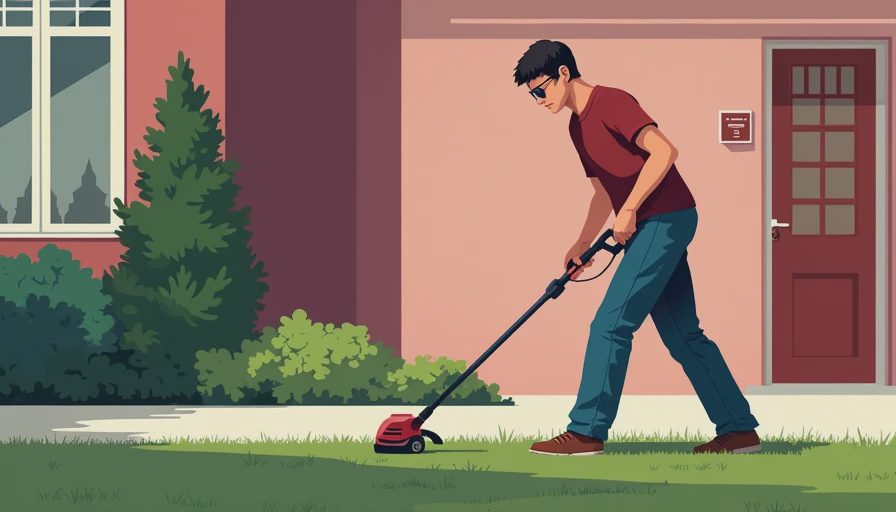
Hold the tool in the store with the battery attached. Is the head pulling your wrist downward? Can you reach the trigger without shifting your grip? Does the guard block the cutting line from your view? If possible, ask whether the store allows a display model to run. Noise and vibration are difficult to evaluate from a product photograph.
Check the warranty length, service options, and battery availability. A two-year tool warranty is common, but battery coverage may be shorter or separate. Search for the exact replacement head before purchase. If the manufacturer makes you order a basic spool from a specialty website, that is a maintenance penalty.
My final rule is simple: calculate total price, usable runtime, weight, line cost, and repair friction. Give each category a score from one to five, then add the results. If two models tie, choose the lighter one. Your shoulders will notice the difference long after the packaging has gone to recycling.
The best string trimmer is therefore not a universal winner. It is the model that matches your yard's measured edges, your weeds' actual thickness, and your tolerance for maintenance. Buy enough power for the job, not enough to impress the neighbor. Trust the tape, not your eye.