I spent 45 minutes comparing two nearly identical trash cans at Home Depot, then went home without buying either. This is relevant because house window tinting creates the same problem: dozens of products, dramatic promises, and very little useful math. I eventually measured the windows instead of trusting my eye. That system worked better.
House window tinting can reduce glare, limit fading, add daytime privacy, and make a hot room more usable without replacing the windows. It is not a magic energy upgrade, and it will not fix a drafty sash. The useful question is narrower: which windows create enough heat, glare, or privacy trouble to justify the cost?
What house window tinting actually does
Residential window film is a thin polyester or ceramic layer applied to the interior side of glass. Depending on the product, it can reflect or absorb part of the sun’s energy, reduce visible glare, filter ultraviolet light, or make the glass harder to see through from outside during daylight.
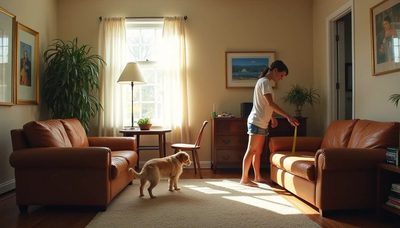
The biggest practical benefit is usually comfort. In my 1920s living room, the west-facing windows turned the sofa area into a slow cooker between 4 and 7 p.m. Curtains solved the glare but made the room dark. House window tinting allowed more daylight while cutting the sharp beam that landed directly on my book and the dog’s bed.
Film can also help protect rugs, hardwood floors, artwork, and upholstery from fading. Look for a product that specifies ultraviolet rejection rather than assuming every tinted film performs equally. UV exposure is only one cause of fading, but reducing it is a sensible layer of protection for a room containing a $900 vintage rug and a dog who believes rugs are indoor lawns.
Privacy film requires more careful expectations. Reflective film can provide daytime privacy when the exterior is brighter than the interior. At night, lights inside reverse that advantage. Frosted or opaque film offers more consistent privacy but blocks the view. There is no film that simultaneously gives a clear nighttime view out, a clear daytime view in, and complete privacy in both directions.
How much does house window tinting cost?
Professional residential film installation commonly runs about $6 to $15 per square foot, depending on the film, window size, access, and local labor rates. A small project with four standard windows might land around $500 to $1,200. A larger sunroom or whole-house installation can reach several thousand dollars.
DIY film is cheaper — often $1 to $4 per square foot — but the material cost is not the whole calculation. You also need a sharp utility knife, spray solution, a squeegee, a hard card, a clean workspace, and patience. Dust becomes a permanent exhibit under the film. So do bubbles, crooked cuts, and scratches made during installation.
Measure each pane, not the rough opening. Multiply width by height for every piece, then add roughly 10 percent for trimming waste. For example, eight panes measuring 30 by 60 inches equal 100 square feet before waste. At $2 per square foot for film, the material is about $220 after allowing for extra. Professional labor could make that same job $600 to $1,500.
My budget rule is simple: hire a professional for tall windows, expensive glass, or a pattern visible from the street. DIY makes more sense for a bathroom window, basement pane, or low-risk test area. If the first application looks wrinkled, do not scale that technique to the front of the house.
Choosing the right film for an old house
Start with the glass. Older homes often have single-pane windows, wavy glass, loose glazing, or storm windows. House window tinting may be suitable, but compatibility matters. Some films can increase heat absorption, and that can create thermal stress in certain glass combinations. Ask the installer to identify the glass type and explain whether the manufacturer approves the film for it.
Dyed film is generally the budget option. It can reduce glare and add color, but it may not provide the strongest heat rejection or longest service life. Metallized film uses reflective particles and can offer stronger solar control, although it may affect the appearance of the windows and interfere with some signals. Ceramic film usually costs more and is marketed for heat and glare control without a highly mirrored look.
Do not choose based only on darkness. Visible light transmission tells you how much daylight passes through. A very dark film can make a north-facing room feel like a waiting room with bad lighting. For a bright west-facing office, a medium tint may be enough. For a bathroom, privacy level matters more than solar performance.
I also ask for a physical sample. Hold it against the actual window at 10 a.m., 2 p.m., and after sunset. Tim says this is excessive. Tim also once approved a paint color from a two-inch sample under a hardware-store light, so his objections have limited authority.
A five-step installation check
First, identify the problem window. Record its direction, width, height, room temperature, glare pattern, and when the trouble occurs. “The room feels hot” is a starting complaint, not a specification.
Second, photograph the glass and frame. Note cracks, failed seals, old labels, storm panels, and unusual muntins. These details affect preparation and installation time.
Third, request two or three written quotes. Each should identify the film brand and product line, visible light transmission, UV performance, warranty length, removal terms, and whether labor is included. A quote that says only “premium tint” is not a quote; it is a mood.
Fourth, ask what happens at the edges. Clean installation should leave consistent margins without obvious trimming damage to paint or glazing compound. In an old house, the frame may not be square, so the installer should explain how that will be handled.
Fifth, inspect the finished work after the manufacturer’s stated curing period. Small water pockets can disappear as film cures, while creases and contaminated spots generally do not. Keep the invoice and product information with your house records. Future owners, painters, and window contractors will need to know what is installed.
Is house window tinting worth it?
The answer depends on the window’s job. If one west-facing room is uncomfortable for four summer months, a $700 targeted installation can be more rational than replacing ten functioning windows. If the entire house has drafty frames, film will not address the main heat-loss problem. Weatherstripping, storm windows, cellular shades, or replacement sash may deliver better value.
Consider the alternatives. Solar shades can reduce glare while remaining adjustable. Exterior awnings block sunlight before it reaches the glass but require more visible hardware. Curtains offer strong privacy and insulation, though they remove daylight. House window tinting is most useful when you want to preserve the view and keep the windows visually simple.
For a rental or a historically sensitive facade, check the lease, local review requirements, and window warranty before ordering. Film is removable, but removal still costs labor and can expose damaged glazing or old adhesive. “Removable” does not mean “free to undo.”
My final formula is: measure the problem, price the smallest useful project, verify glass compatibility, and compare the film against shades or repairs. Start with one troublesome room for a season. If the room is cooler, the glare is manageable, and the finish still looks good after cleaning, expand carefully. Trust the tape, not your eye.